Trailer Sway & Sway Control
Your Vehicle's Trailer Sway Control, Explained
Most modern tow vehicles can damp sway with their own brakes. It is a genuine safety net - and it is not a substitute for loading properly.
Disclosure: we earn a commission if you buy through the Amazon links on this page, at no extra cost to you. Commission never decides a verdict or a ranking position - read our editorial policy and affiliate disclosure.
Short answer
Factory trailer sway control is part of the vehicle's stability system. It detects yaw oscillation and applies individual wheel brakes, usually also cutting engine torque, to damp it. It is a reactive safety net: it works after sway has started, not instead of correct loading.
How it works
The vehicle already has the sensors it needs - a yaw rate sensor, wheel speed sensors and a steering angle sensor - because its stability control system uses them. Trailer sway control is additional logic reading those same signals and looking for a specific pattern: a rhythmic side-to-side yaw at a frequency typical of a trailer oscillating, rather than the one-off yaw of a skid.
When it recognizes that pattern it brakes individual wheels in a sequence that opposes the swing, and usually reduces engine torque at the same time. Most systems also illuminate a warning on the dash while they are intervening.
What it cannot do
- It cannot act before the oscillation exists. By design it responds to a pattern, which means a pattern has to be established first.
- It cannot brake the trailer. Unless the vehicle has an integrated brake controller and the logic to use it, the intervention happens at the tow vehicle's wheels only.
- It cannot fix a tail-heavy trailer. It can suppress the symptom repeatedly, which can mask a load problem that is getting worse.
- It does not know your trailer is there unless you have told the vehicle. Some systems adapt their behavior when tow mode is selected.
Should you ever turn it off?
Rarely, and deliberately. The situations where disabling stability intervention is conventional - deep snow, soft sand, a stuck vehicle needing wheelspin - are low-speed situations where sway is not the risk. Owners sometimes search for how to turn off trailer sway control because it has activated repeatedly and they find it intrusive. That is the system doing its job and reporting a problem; the right response is to stop and look at the load, not to silence the alarm.
How it interacts with hitch-side sway control
They work at different points and they stack. Hitch-side friction or cams raise the threshold at which oscillation begins. Vehicle-side control intervenes once it has. A well-loaded trailer behind a hitch with integrated sway control should rarely give the vehicle system anything to do - and that is the goal.
Quick picks
Tap any row to jump to the full write-up. How these are chosen - and what we do and do not claim to know - is published in full on our research methodology page.
| # | Product | Best for | Our read | Price |
|---|---|---|---|---|
| 1 |  Tekonsha Prodigy P3 Trailer Brake Controller Driver-side backup | Towing more than one trailer | Manual lever you control directly | Check price on Amazon #ad Affiliate link - we publish no price; Amazon shows the current one |
| 2 | 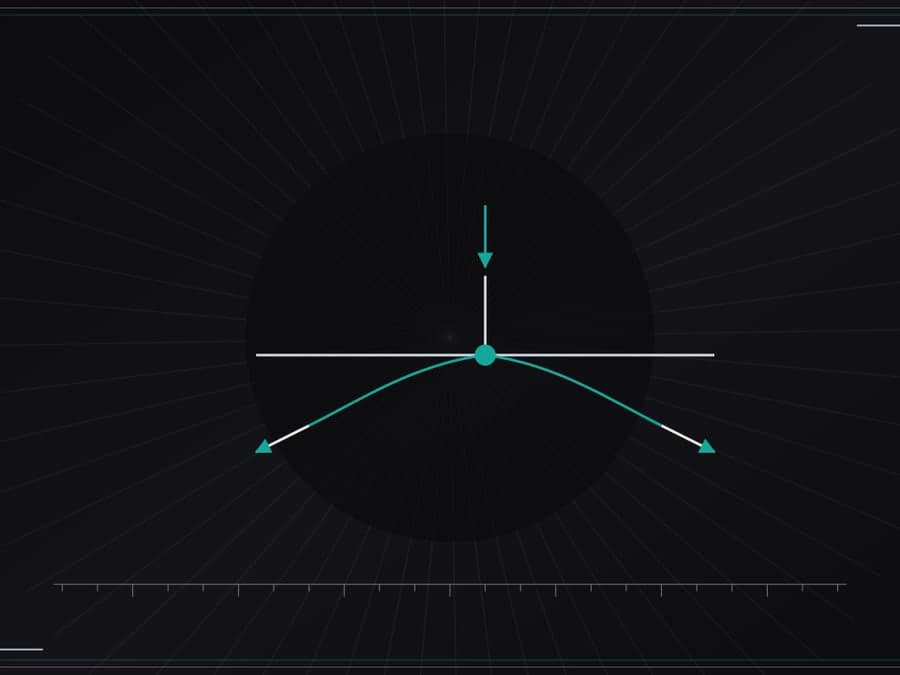 Equal-i-zer 4-point Sway Control Hitch Prevention over intervention | Travel trailers that already sway | Stops the oscillation starting | Check price on Amazon #ad Affiliate link - we publish no price; Amazon shows the current one |
| 3 | 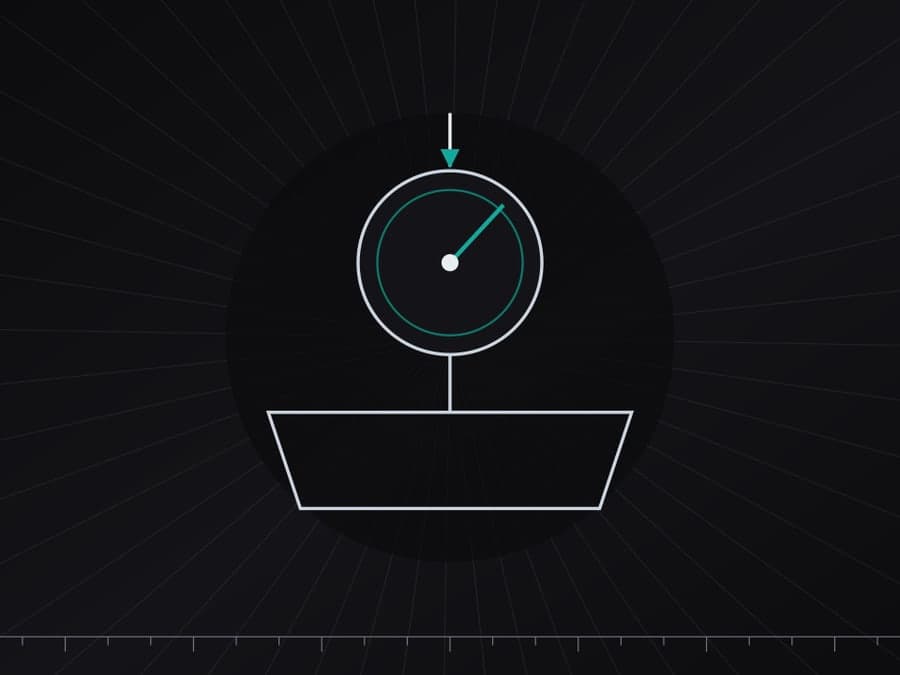 Sherline Trailer Tongue Weight Scale Fix the input | Measuring tongue weight at home | Removes the cause the system reacts to | Check price on Amazon #ad Affiliate link - we publish no price; Amazon shows the current one |
1. Driver-side backup
Tekonsha Prodigy P3 Trailer Brake Controller
Tekonsha · Best for towing more than one trailer
The proportional controller most other proportional controllers get measured against. It stores settings per trailer, reads out what it is actually doing, and diagnoses wiring faults on the screen instead of leaving you guessing at the connector.
We have not sourced a full specification table for this model from the manufacturer’s own site at a stable address. Rather than repeat figures we cannot cite, the assessment above is limited to what the design and the maker’s published description genuinely establish.
What works
- Stores separate settings for multiple trailers, so you are not re-dialing gain every trip
- On-screen diagnostics name the fault instead of just refusing to work
- Boost settings let you bias braking toward the trailer on a heavy load
What does not
- Needs a proper mounting location within reach and sight of the driver
- More controller than a single light trailer ever needs
Skip it if
Overkill if you tow one small trailer a few times a year and never change the load - a simpler proportional unit does the same job on that trip.
#ad Affiliate link - we publish no price; Amazon shows the current one
2. Prevention over intervention
Equal-i-zer 4-point Sway Control Hitch
Equal-i-zer · Best for travel trailers that already sway
The reference point for integrated sway control. Friction happens at four places at once - both L-brackets and both sockets - so resistance is always on rather than something you remember to engage. Setup is bracket-height and bar-angle work, and it rattles; both are the price of a system with no separate parts to forget.
We have not sourced a full specification table for this model from the manufacturer’s own site at a stable address. Rather than repeat figures we cannot cite, the assessment above is limited to what the design and the maker’s published description genuinely establish.
What works
- Sway resistance is built into the geometry, so there is nothing to connect or disconnect at the ramp
- Works in reverse and in the wet, unlike a friction bar you have to release
- One assembly rather than a hitch plus a bolt-on sway bar
What does not
- Audible rattle and creak at low speed is normal and surprises first-time owners
- Bracket height and bar angle have to be set properly or the sway control does little
Skip it if
Skip it if your loaded tongue weight sits well inside your receiver's weight-carrying rating and the truck stays level - you would be buying hardware to solve a problem you do not have.
#ad Affiliate link - we publish no price; Amazon shows the current one
Raw specifications: Equal-i-zer’s own page. We earn nothing on that link.
3. Fix the input
Sherline Trailer Tongue Weight Scale
Sherline · Best for measuring tongue weight at home
A dedicated scale you sit under the coupler to read tongue weight directly, with no arithmetic and no trip to a weighbridge. It is the one tool on this site that turns the single most important towing number from a guess into a measurement.
We have not sourced a full specification table for this model from the manufacturer’s own site at a stable address. Rather than repeat figures we cannot cite, the assessment above is limited to what the design and the maker’s published description genuinely establish.
What works
- Direct reading, with no bathroom-scale-and-lever arithmetic
- Repeatable, so you can see what moving the load actually does
- Mechanical gauge with no batteries to be flat when you need it
What does not
- Must be used on level ground with the coupler at towing height
- Single-purpose tool that spends most of its life in a cupboard
Skip it if
Unnecessary if your hitch already has a built-in gauge, or if you have a public scale nearby and are happy to use it.
#ad Affiliate link - we publish no price; Amazon shows the current one
Raw specifications: Sherline’s own page. We earn nothing on that link.
Key takeaways
- Factory sway control reads yaw, wheel speed and steering angle, then brakes individual wheels to damp the oscillation.
- It is reactive by design and cannot prevent sway starting.
- Repeated activation means the load needs fixing, not that the system needs disabling.
- Hitch-side and vehicle-side sway control complement each other.
How we sourced this
Every figure on this page came from one of the following, each fetched while the page was written. Where a manufacturer or regulator does not publish a number, we say so rather than estimate it.
Common questions
- How do I know if my truck has trailer sway control?
- Check the owner's manual under the stability control or towing section. Most vehicles sold in the US in the last decade have it as part of electronic stability control, often listed under a manufacturer-specific name.
- Does it work with any trailer?
- It responds to the vehicle's own motion, so it does not need to know anything about the trailer. Selecting tow/haul mode where available can change how the system and the transmission behave.
- Will it stop a serious fishtail?
- It can damp one, and it reacts faster than a person. It is still working against physics, and a severely overloaded or badly balanced trailer can exceed what brake intervention can control.
More in Trailer Sway & Sway Control
Sway is almost never a mystery. It comes down to tongue weight, load position or speed - and only one of those three costs money to fix.
Read next
Troubleshooting
Trailer Fishtailing
What makes a mild wobble escalate into a full fishtail, how to end an episode without making it worse, and what to change afterwards.
How to
How to Stop Trailer Sway
The in-the-moment response, then the load corrections that keep it from happening again - and when hardware is genuinely the answer.
Best brake controller
Best Brake Controllers
Hardwired and plug-in proportional controllers compared on published specifications and how each behaves when something goes wrong.
Best for stopping sway
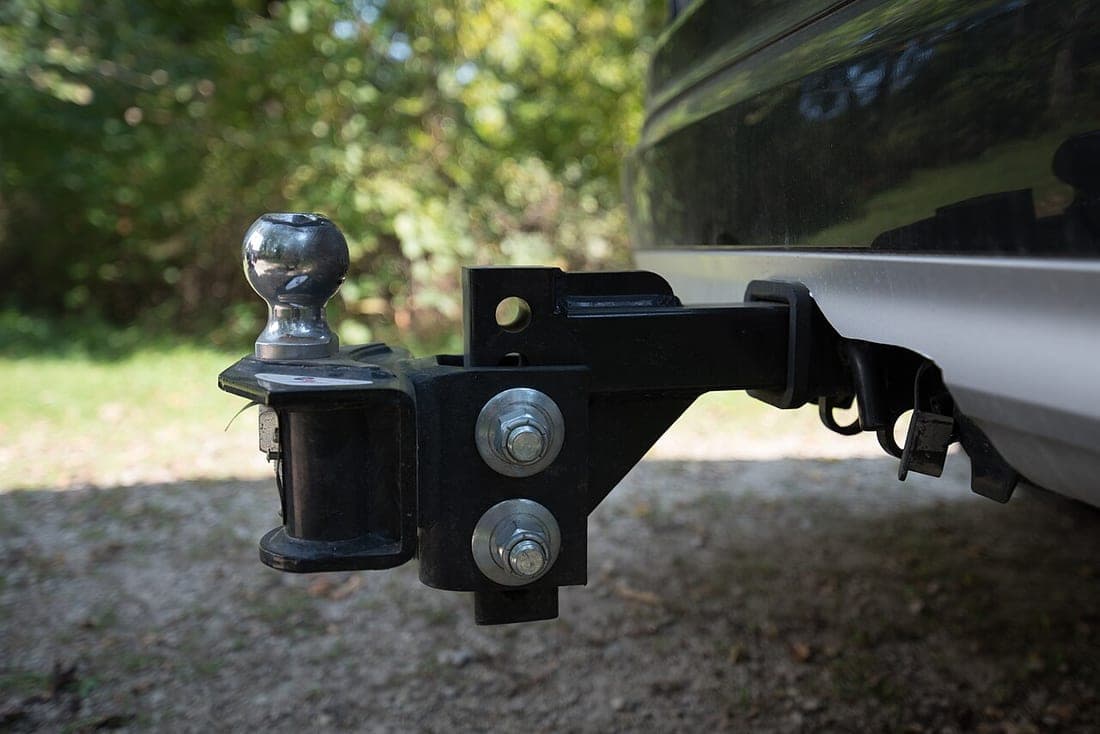
Best Sway Control Hitches
Integrated four-point, cam-based and friction systems compared by how they behave in reverse, in rain, and when you forget a step.
Found something out of date, or a figure you can source better than we did? Corrections get read first. How we research explains how these pages are put together, and contact is one click away.