Trailer Sway & Sway Control
Friction, Dual Cam and Four-Point Sway Control Compared
One damps movement, one actively returns the trailer to center, and one is always on. The difference matters more than the brand.

Disclosure: we earn a commission if you buy through the Amazon links on this page, at no extra cost to you. Commission never decides a verdict or a ranking position - read our editorial policy and affiliate disclosure.
Short answer
Friction bars damp yaw. Dual cams hold the trailer straight and pull it back when it moves. Four-point systems apply friction at four places in the hitch itself, so it cannot be left off. For most travel trailers, four-point or cam is the right answer; a friction bar suits light trailers only.
They solve the same problem three different ways
All three raise the effort needed to make the trailer yaw. What differs is where that effort comes from and what happens when the trailer is already off center.
Friction bar: pure damping
A telescoping bar runs between a ball on the trailer A-frame and a ball on the hitch mount. Inside it, friction pads resist the sliding motion that any yaw produces. Tension is adjustable with a handle. It resists movement in both directions equally and has no preference for the straight-ahead position - it slows sway down rather than correcting it.
Dual cam: a restoring force
Cam arms sit between the spring bars and brackets on the trailer frame. In the straight-ahead position the bars seat into detents in the cams. Pushing the trailer out of line means lifting the spring bars up the ramp of the cam, which takes work - and once the disturbance passes, the bar's own tension slides it back into the detent. That is a restoring force, not just resistance, and it is why people towing long trailers in persistent crosswinds keep choosing it.
Four-point friction: always on
Instead of a separate bar, friction surfaces are designed into the hitch where the spring bars meet the head and where they meet the L-brackets on the trailer frame. Four surfaces resist yaw simultaneously. There is nothing to connect, nothing to disconnect and nothing to adjust before backing up.
Side by side
| Friction bar | Dual cam | Four-point | |
|---|---|---|---|
| Mechanism | Damping | Restoring force | Damping at four points |
| Works in reverse | No - disconnect first | Yes | Yes |
| Affected by rain and grit | Yes | Less | Yes, but spread over four surfaces |
| Transfers load | No | Yes - part of a WD hitch | Yes - part of a WD hitch |
| Setup complexity | Low | High - cam positioning matters | Medium - bracket height matters |
| Noise | Low | Clunks as cams seat | Creaks and rattles at low speed |
Quick picks
Tap any row to jump to the full write-up. How these are chosen - and what we do and do not claim to know - is published in full on our research methodology page.
| # | Product | Best for | Our read | Price |
|---|---|---|---|---|
| 1 |  Equal-i-zer 4-point Sway Control Hitch Four-point friction | Travel trailers that already sway | Always engaged, nothing to forget | Check price on Amazon #ad Affiliate link - we publish no price; Amazon shows the current one |
| 2 | 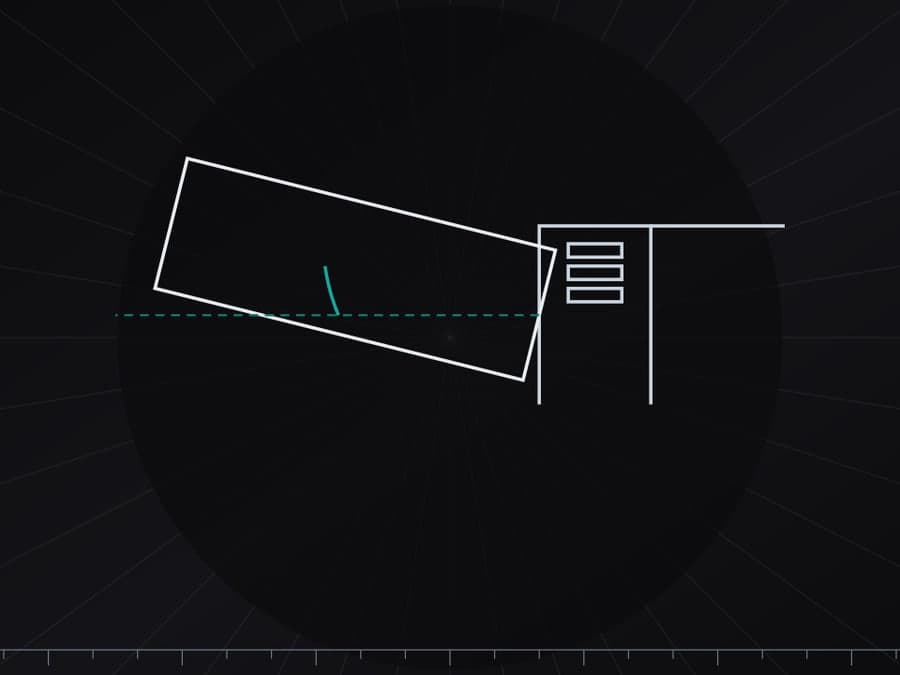 Reese Strait-Line Weight Distribution Hitch with Dual Cam Sway Control Dual cam | Long trailers in crosswinds | Actively returns the trailer to center | Check price on Amazon #ad Affiliate link - we publish no price; Amazon shows the current one |
| 3 |  CURT Sway Control Kit Single friction bar | Light trailers that wander | Cheapest, and must be disconnected to reverse | Check price on Amazon #ad Affiliate link - we publish no price; Amazon shows the current one |
Which to choose
- Light trailer, occasional wander, truck sits level. A friction bar is proportionate. Do not spend hitch money on a problem a bar will handle.
- Travel trailer, truck squats, sway in traffic. Four-point. You need load transfer anyway, and this way the sway control cannot be left disconnected.
- Long trailer, open country, consistent crosswinds. Cam-based. The restoring force is what you are paying for, and it is the right tool for sustained side loads.
- You back into tight sites regularly. Avoid the single friction bar. The routine of disconnecting it is exactly the routine that gets skipped.
Key takeaways
- A friction bar damps; cams actively restore the straight-ahead position.
- Four-point friction cannot be forgotten, which is its main advantage over a bar.
- Only cam and four-point systems also transfer load, because they are part of a weight distribution hitch.
- All three are downstream of correct tongue weight.
How we sourced this
Every figure on this page came from one of the following, each fetched while the page was written. Where a manufacturer or regulator does not publish a number, we say so rather than estimate it.
Common questions
- Can I use a friction bar with a weight distribution hitch?
- Yes, and it is a common way to add sway resistance to a hitch that has none. Check clearance on the A-frame first, and remember the bar still needs disconnecting before tight reversing.
- Do cams need re-adjusting?
- The cam position relative to the spring bars is set at installation and checked periodically. If the trailer's ride height changes - new suspension, different load - the geometry is worth re-checking.
- Is four-point friction noisy?
- Yes, and it is normal. Steel surfaces designed to resist movement by friction creak in slow, tight turns. It is not a sign of a problem, and greasing those surfaces to quiet them would disable the sway control.
More in Trailer Sway & Sway Control
Sway is almost never a mystery. It comes down to tongue weight, load position or speed - and only one of those three costs money to fix.
Read next
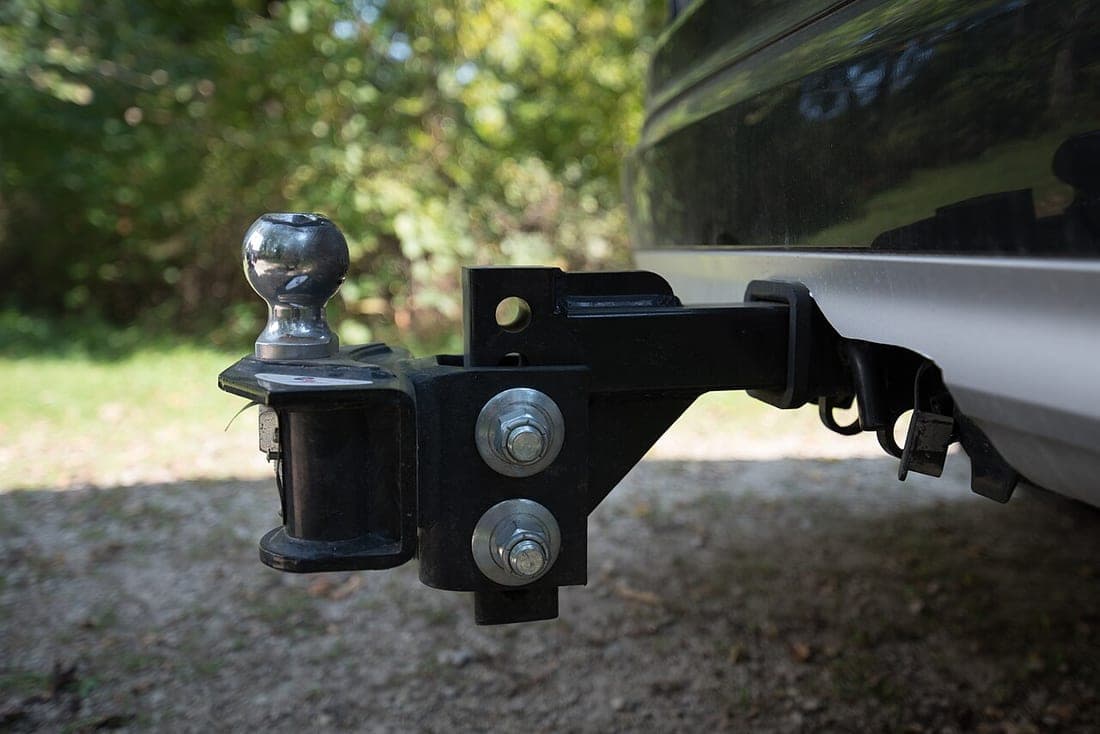
Best for stopping sway
Best Sway Control Hitches
Integrated four-point, cam-based and friction systems compared by how they behave in reverse, in rain, and when you forget a step.

How to
How to Stop Trailer Sway
The in-the-moment response, then the load corrections that keep it from happening again - and when hardware is genuinely the answer.

Guide
How a WD Hitch Works
The mechanism in plain terms: where the load goes, why head angle matters, and why bar rating is the specification that counts.

How to
Sway Control Setup
The setup sequence for friction bars and integrated systems, what to measure, and the symptoms of each setting being wrong.
Found something out of date, or a figure you can source better than we did? Corrections get read first. How we research explains how these pages are put together, and contact is one click away.