Calculator
Do I Need a Weight Distribution Hitch?
Two numbers answer it. Enter them and the tool will tell you - including when the answer is no.
From the label on your receiver - the weight-CARRYING figure, not the weight-distributing one.
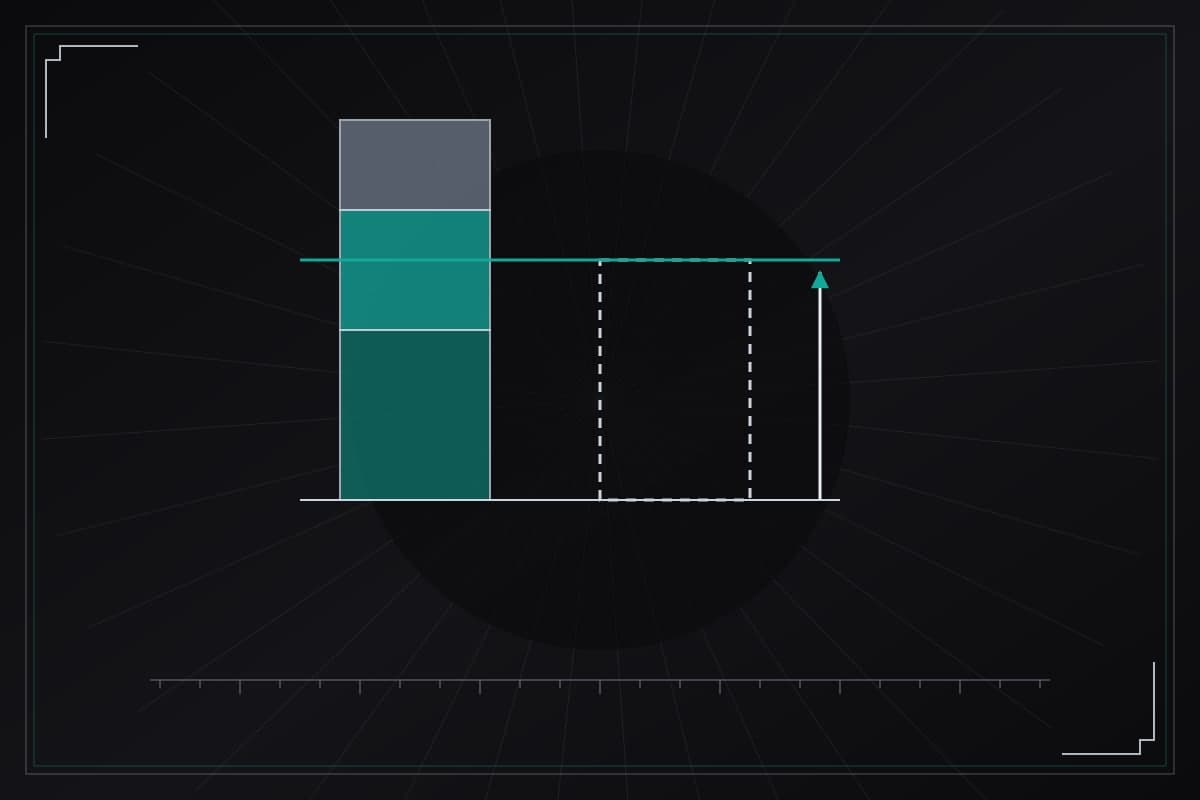
Measure the front wheel arch height unhitched, then hitched. The difference goes here.
Enter your tongue weight plus either your receiver’s rating or the front fender rise. Either one is enough for an answer; both is better.
Always confirm against your vehicle’s door-jamb sticker and owner’s manual, and against your trailer manufacturer’s documentation. This tool only does arithmetic on the numbers you type in - it holds no vehicle data of its own.
This question has a definite answer and it is not a matter of opinion. If your measured tongue weight exceeds your receiver's weight-carrying rating, the hitch is required rather than optional. If it does not, but the front of the vehicle lifts when you hitch up, it is worth having. If neither applies, you can keep your money.
Finding your receiver's weight-carrying rating
On the label attached to the receiver itself, usually on the crossmember near the tube. It lists two sets of figures: weight-carrying, which applies with a plain ball mount, and weight-distributing, which is higher and only applies when a weight distribution hitch is actually fitted. Use the weight-carrying number here.
Measuring the front-end rise
Park level and unhitched, and measure from the ground to the top of the front wheel arch. Hitch up with the trailer loaded as you tow it, and measure again. The difference is the rise. An inch or more means meaningful weight has come off your steering axle.