A weight distribution hitch moves load off the back of your truck. Whether you need one is a number, not an opinion - and the number is on your door jamb.
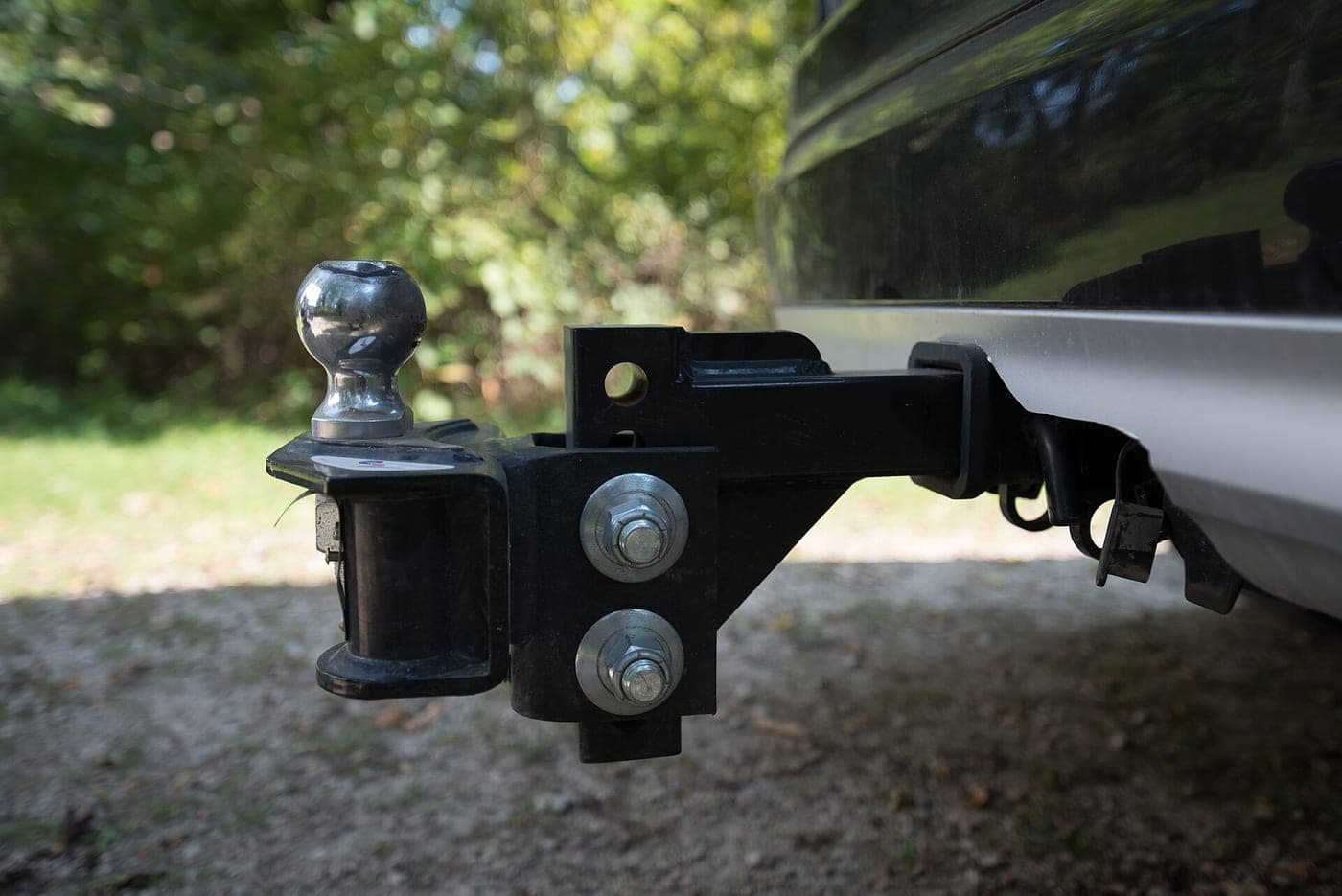
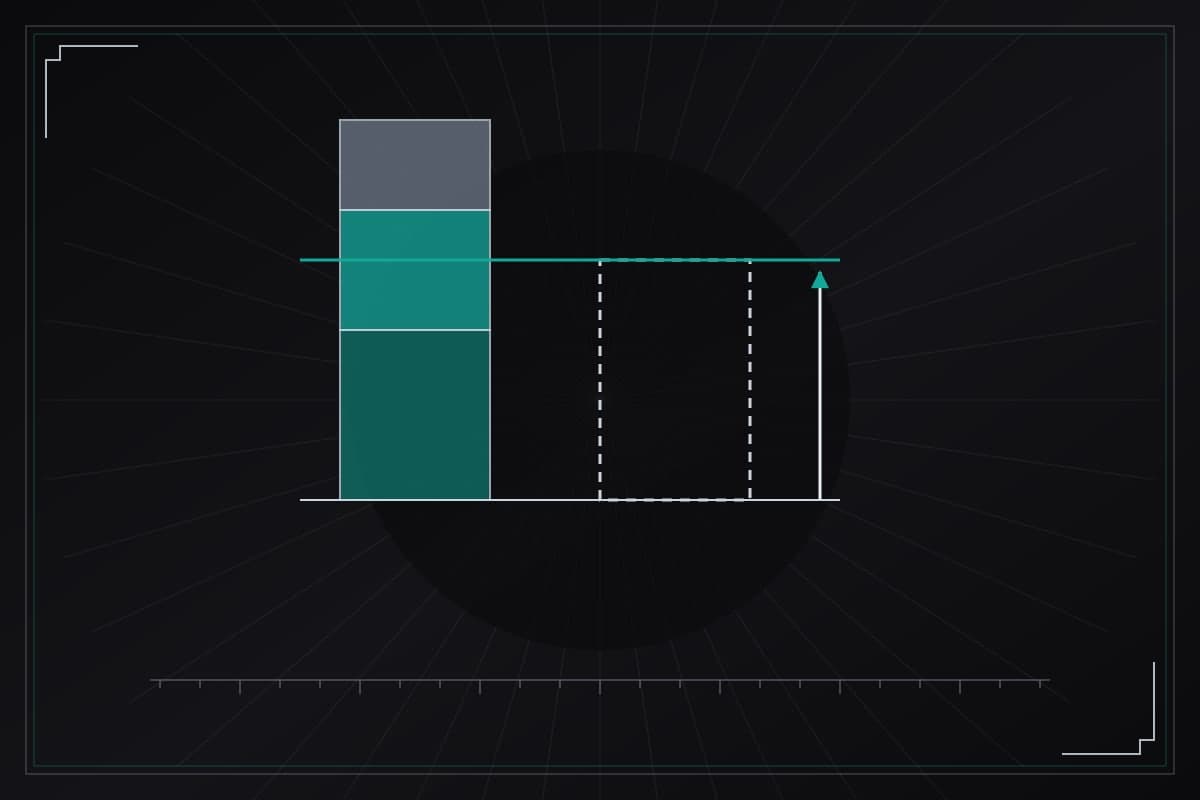
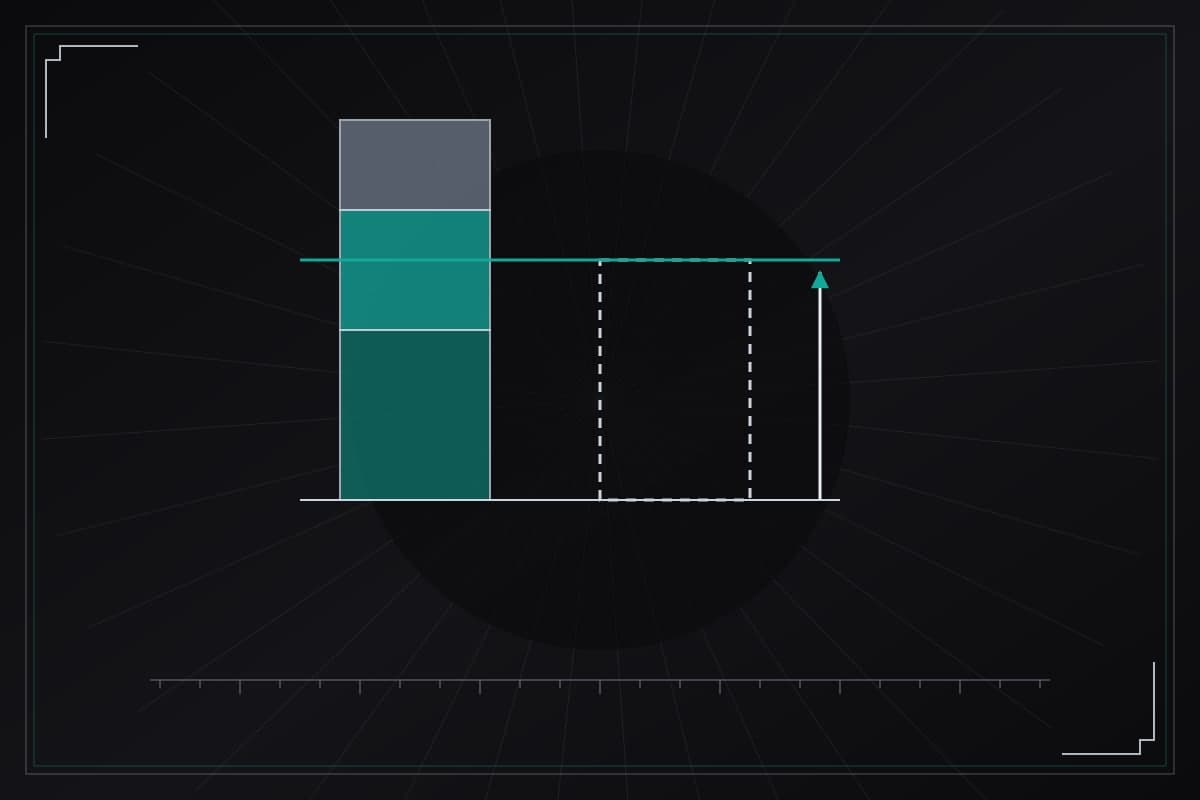
A weight distribution hitch is a lever. It takes some of the load pressing down on the back of your tow vehicle and spreads it forward onto the front axle and backward onto the trailer's axles. The visible result is a rig that sits level instead of nose-up; the invisible result is a front axle that still has enough weight on it to steer and brake properly.
What actually happens when you hitch up without one
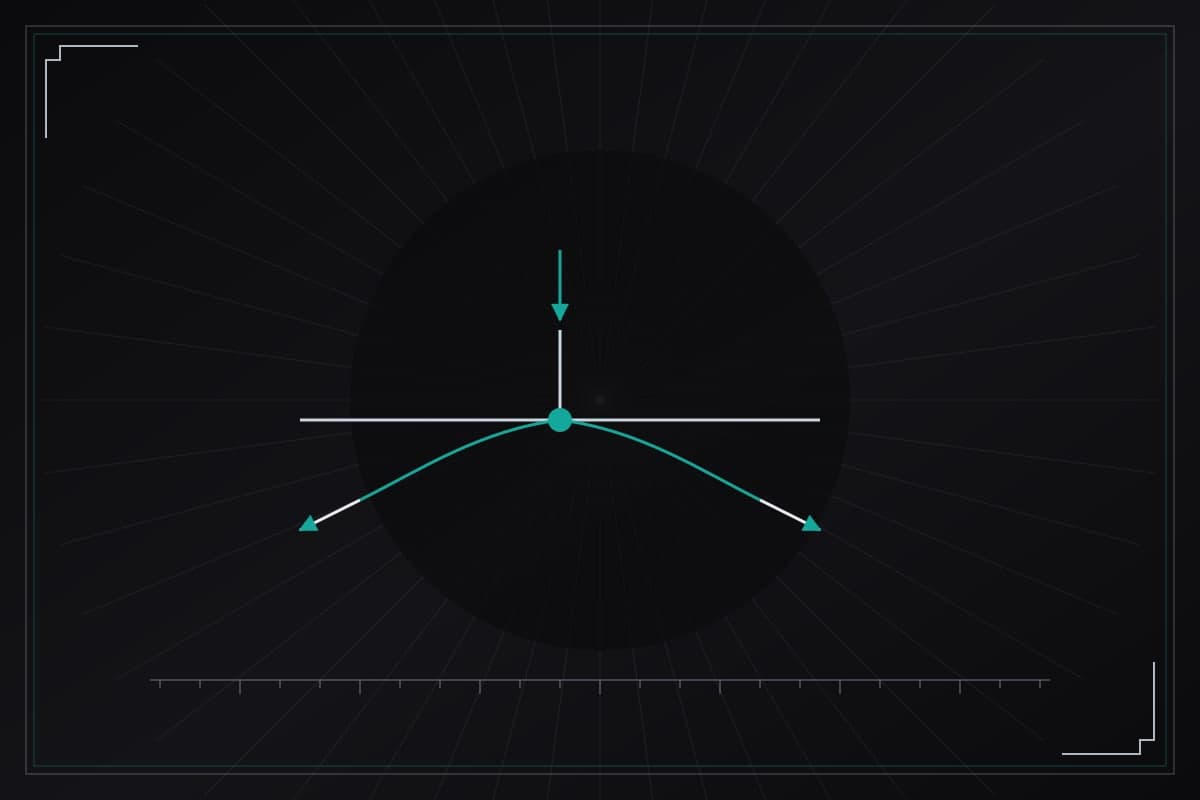
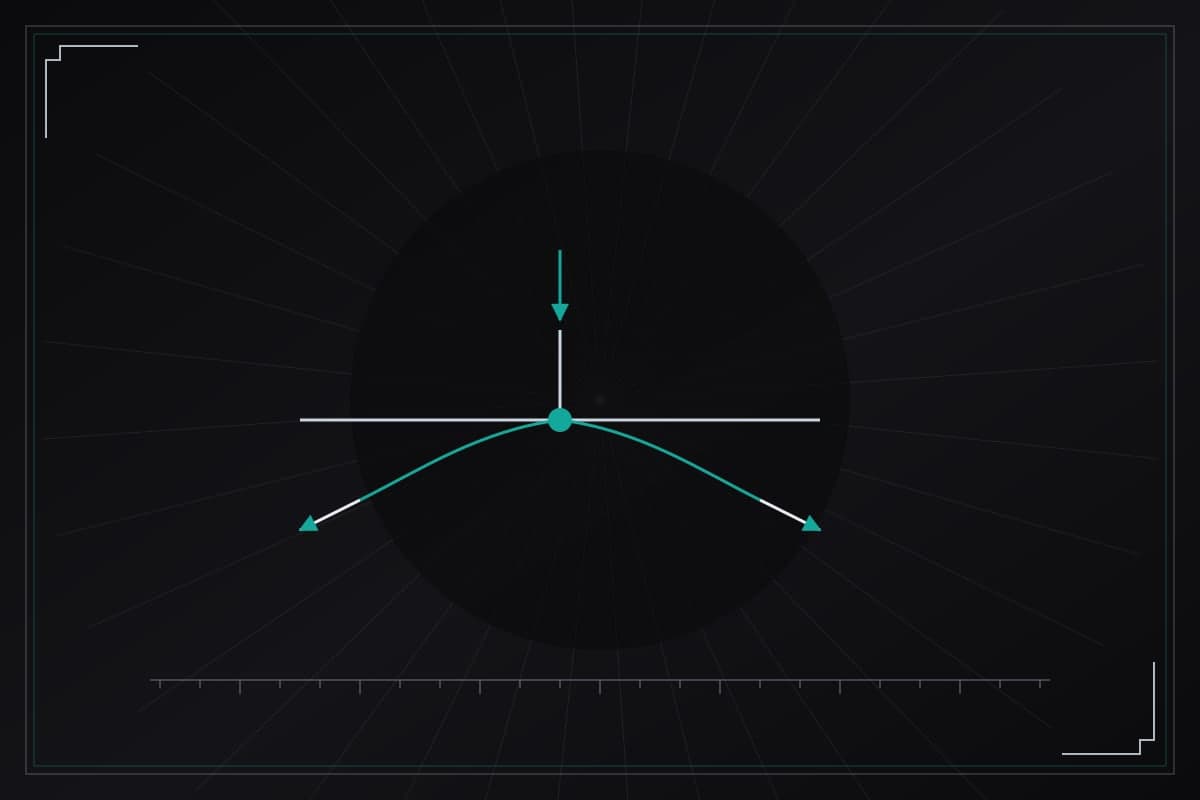
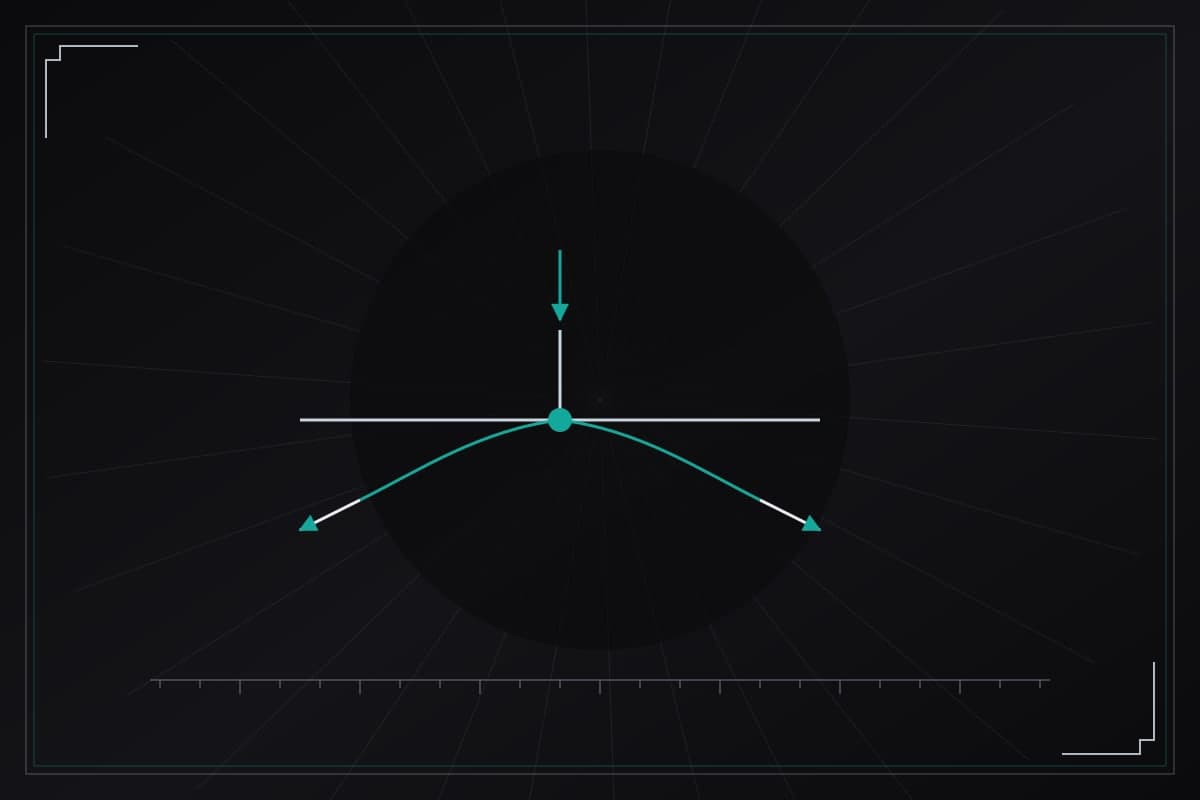
Put several hundred pounds of tongue weight on a ball that sits a couple of feet behind the rear axle and you have created a see-saw. The rear axle is the pivot. Load goes down at the back, and the front of the vehicle lifts. Weight comes off the front tires - the ones that steer, and the ones that do most of the braking.
That is why the symptoms of needing a weight distribution hitch are so consistent: steering that feels light and vague, headlights aimed at the trees, a back end that bottoms out over dips, and braking distances that have quietly got longer. None of those is a sway problem, and a friction sway bar will not touch any of them.
How the category divides
Round bar. The spring bars are round in section and hang below the head. They are compact and clear most trailer A-frames easily, but they sit lower than any other type, which makes them the first thing to touch down on a steep driveway transition.
Trunnion bar. The bars are square in section and slot into the head horizontally. They give noticeably more ground clearance and generally a higher capacity ceiling, at the cost of needing more room in front of the A-frame.
Chain tensioned, no spring bars. Systems like Andersen's use chains and a friction cone instead of steel spring bars. Dramatically lighter to lift and store, and the sway resistance keeps working in reverse - but the setup logic is different enough that advice written for spring-bar systems does not transfer.
With or without integrated sway control. The distinction that matters most. A hitch that only distributes weight does nothing about yaw. One with four-point or cam-based sway control does both jobs with one assembly.
What decides the price
Three things. First, capacity: bars rated for 1,500 lb of tongue weight cost more than bars rated for 600 lb, and the heads that carry them are heavier castings. CURT, for example, publishes its TruTrack 4P at a 10,000 to 15,000 lb gross trailer weight with a 1,000 to 1,500 lb tongue weight range, and the assembly weighs 123.6 lb - that mass is the price.
Second, how the sway control is implemented. Four-point friction, dual-cam and friction-cone systems all cost more than a hitch with no sway function at all. Third, how much of the setup is designed around one person working alone - clamp-on latches and chain-free tensioning cost more than snap-up brackets because they remove the part of the job most people find awkward.
Sizing the bars: the one specification to get right
Spring bars are rated for a tongue weight range. You want your actual, measured, loaded tongue weight to land near the middle of that range. Too close to the top and the bar is running at its limit, flexing less than the designer intended. Far below the bottom and the bar is effectively a solid steel rod that transfers almost nothing.
The number you size against includes everything that rides ahead of the trailer's axles when you actually tow: propane bottles, the battery, whatever is in the front storage box, and the hitch hardware itself. The brochure dry tongue weight is not that number. Blue Ox, to take one example, sells SwayPro in discrete tongue weight bands - 350, 550, 750, 1,000, 1,500 and 2,000 lb - which forces the sizing decision to be made before purchase rather than discovered afterwards.
The mistake buyers make
Buying by trailer length or by what the dealer bundled, rather than by measured tongue weight. A 26-foot trailer loaded light at the back and a 26-foot trailer with a generator on the rear bumper need different bars, and no amount of brand loyalty fixes that. Measure the tongue weight, then size the bars, then set the head angle and the washer stack properly - because a correctly sized hitch set up wrong behaves like the wrong hitch.
How we sourced this
Every figure on this page came from one of the following, each fetched while the page was written. Where a manufacturer or regulator does not publish a number, we say so rather than estimate it.
Porpoising, chucking and axle hop told apart, with the fix for each and the one that gets misdiagnosed most often.
Read it →
Common questions
Do I need a weight distribution hitch for a half-ton truck?
It depends on your measured tongue weight against your receiver's weight-carrying rating and your truck's remaining payload, not on the badge on the tailgate. Many half-ton trucks have a receiver rated to carry 500 to 600 lb without distribution, and plenty of mid-size travel trailers exceed that loaded.
Will a weight distribution hitch increase my towing capacity?
No. It can raise what the receiver is rated to handle, because receivers carry a higher weight-distributing rating, but it changes nothing about the vehicle's tow rating, its GCWR or its payload. Those are set by the manufacturer and the door-jamb label.
Can I use a weight distribution hitch with a boat trailer?
Usually yes mechanically, but check the trailer frame: some boat trailers and some pop-up campers specify no weight distribution because the A-frame is not built to take the spring bar brackets. The trailer manufacturer's guidance wins over the hitch manufacturer's.
How level should the truck sit after setup?
The usual target is restoring roughly half to all of the drop the front of the vehicle experienced when you hitched up, measured at the fender. Measure the front fender height unhitched, hitch up, then adjust until you have recovered most of that drop.