Weight Distribution Hitches
Weight Distribution vs Sway Control
One moves load between axles. The other resists the trailer turning. Buying the wrong one is the most common towing purchase mistake.
Disclosure: we earn a commission if you buy through the Amazon links on this page, at no extra cost to you. Commission never decides a verdict or a ranking position - read our editorial policy and affiliate disclosure.
Short answer
Weight distribution transfers tongue load off the tow vehicle's rear axle onto its front axle and the trailer's axles. Sway control resists the trailer rotating about the ball. A squatting truck is a weight distribution problem; a wandering trailer is a sway problem.
Two different problems
| Symptom | Problem | What fixes it |
|---|---|---|
| Rear of the truck sits low when hitched | Load | Weight distribution |
| Steering feels light and vague | Load - front axle unweighted | Weight distribution |
| Headlights aimed high at oncoming traffic | Load | Weight distribution |
| Trailer moves side to side behind you | Yaw | Sway control |
| Trailer pushed around by passing trucks | Yaw | Sway control |
| All of the above | Both | A hitch that does both |
Why they get confused
Because many products do both, and because the marketing uses the terms loosely. A plain weight distribution hitch adds no yaw resistance at all. A friction bar transfers no load whatsoever. Several hitches integrate both functions - and those are the ones most people actually want - but they are a third category, not proof that the first two are the same thing.
There is also a real indirect effect that muddies it: restoring front axle weight improves steering response, and better steering response means your corrections are more accurate, which reduces the chance of feeding an oscillation. Weight distribution therefore helps with sway slightly, without being sway control.
Quick picks
Tap any row to jump to the full write-up. How these are chosen - and what we do and do not claim to know - is published in full on our research methodology page.
| # | Product | Best for | Our read | Price |
|---|---|---|---|---|
| 1 | 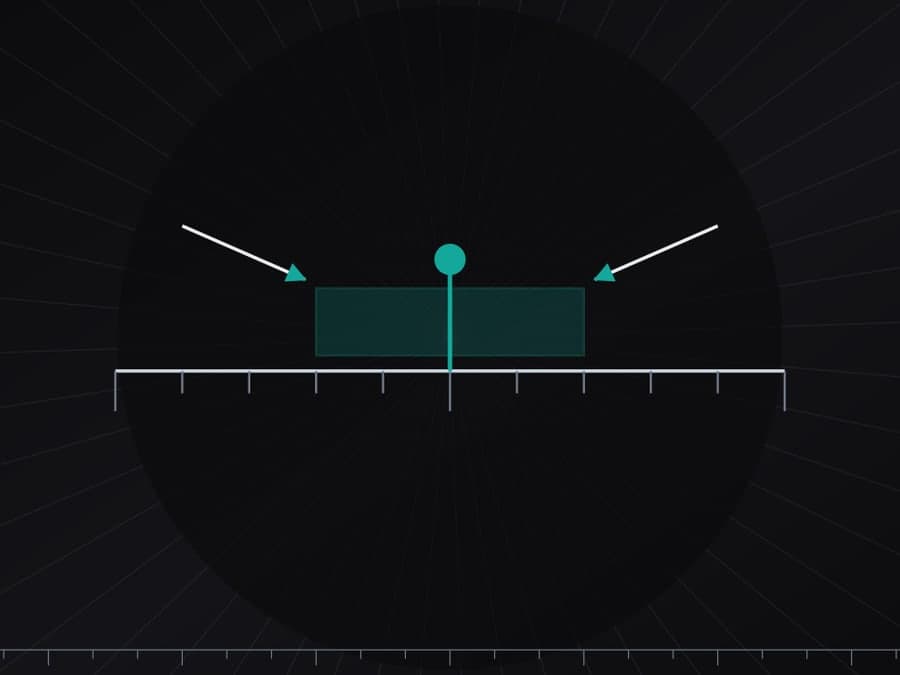 CURT Round Bar Weight Distribution Hitch with Sway Control (14K) Weight distribution | Mid-size travel trailers | Transfers load, with sway control included | Check price on Amazon #ad Affiliate link - we publish no price; Amazon shows the current one |
| 2 | 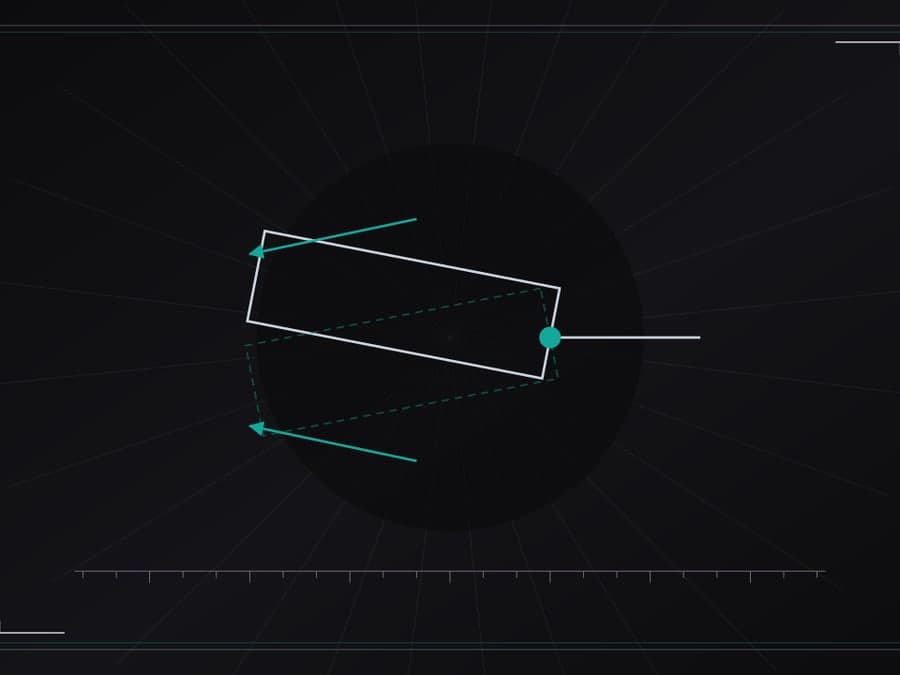 CURT Sway Control Kit Sway control only | Light trailers that wander | Damps yaw, transfers nothing | Check price on Amazon #ad Affiliate link - we publish no price; Amazon shows the current one |
| 3 | 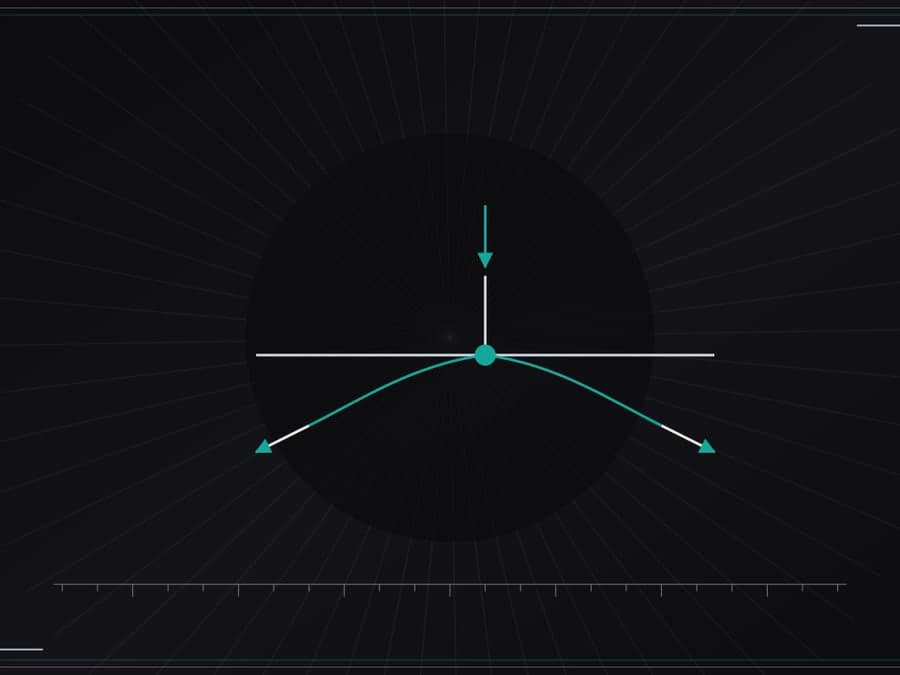 Equal-i-zer 4-point Sway Control Hitch Both at once | Travel trailers that already sway | One assembly doing both jobs | Check price on Amazon #ad Affiliate link - we publish no price; Amazon shows the current one |
1. Weight distribution
CURT Round Bar Weight Distribution Hitch with Sway Control (14K)
CURT · Best for mid-size travel trailers
A conventional round-bar system with integrated lubrication and sway control, rated to 14,000 lb gross and 1,400 lb tongue. The built-in lubrication matters more than it sounds: a dry weight distribution head is the usual source of the groaning people mistake for a failing hitch.
Published specifications
What works
- Integrated lubrication at the head, which is where the noise usually comes from
- Round bars sit lower and clear more trailer tongues than trunnion bars
- Limited lifetime warranty
What does not
- Round bars hang lower than trunnion bars and are the first thing to catch on a steep driveway
- Sway control here is a function of the head, not an adjustable four-point system
Skip it if
Skip it if you regularly cross steep transitions - a round bar is the lowest part of the whole rig and will find the pavement before anything else does.
#ad Affiliate link - we publish no price; Amazon shows the current one
Raw specifications: CURT’s own page. We earn nothing on that link.
2. Sway control only
CURT Sway Control Kit
CURT · Best for light trailers that wander
A single friction bar between the trailer tongue and the ball mount, with adjustable tension. It damps yaw; it does not transfer load. On a light trailer that wanders a little it is the cheapest honest fix, and on a heavy one it is not enough on its own.
What works
- Simple, serviceable and easy to fit to an existing ball mount
- Tension is adjustable, so you can match it to the trailer
- Takes minutes to add to a setup you already own
What does not
- Must be disconnected before backing up tightly or in icy conditions
- Damps sway but does nothing about a tow vehicle that is squatting
Skip it if
The wrong answer if your truck sags at the back when the trailer is on - that is a load-distribution problem and a friction bar will not touch it.
#ad Affiliate link - we publish no price; Amazon shows the current one
Raw specifications: CURT’s own page. We earn nothing on that link.
3. Both at once
Equal-i-zer 4-point Sway Control Hitch
Equal-i-zer · Best for travel trailers that already sway
The reference point for integrated sway control. Friction happens at four places at once - both L-brackets and both sockets - so resistance is always on rather than something you remember to engage. Setup is bracket-height and bar-angle work, and it rattles; both are the price of a system with no separate parts to forget.
We have not sourced a full specification table for this model from the manufacturer’s own site at a stable address. Rather than repeat figures we cannot cite, the assessment above is limited to what the design and the maker’s published description genuinely establish.
What works
- Sway resistance is built into the geometry, so there is nothing to connect or disconnect at the ramp
- Works in reverse and in the wet, unlike a friction bar you have to release
- One assembly rather than a hitch plus a bolt-on sway bar
What does not
- Audible rattle and creak at low speed is normal and surprises first-time owners
- Bracket height and bar angle have to be set properly or the sway control does little
Skip it if
Skip it if your loaded tongue weight sits well inside your receiver's weight-carrying rating and the truck stays level - you would be buying hardware to solve a problem you do not have.
#ad Affiliate link - we publish no price; Amazon shows the current one
Raw specifications: Equal-i-zer’s own page. We earn nothing on that link.
What to buy
- Truck squats, trailer behaves. Weight distribution. You do not need sway control, though most hitches in this class include it anyway.
- Truck sits level, trailer wanders. Sway control. A friction bar is the proportionate buy; if the trailer is substantial, consider a hitch with integrated control.
- Both. A weight distribution hitch with integrated sway control, which is the normal travel trailer answer.
- Neither symptom. Buy nothing. A rig that sits level and tracks straight does not need hardware, and plenty of people spend money on a problem they do not have.
Key takeaways
- Squat and light steering are load symptoms; wandering is a yaw symptom.
- A plain weight distribution hitch adds no sway resistance.
- A friction bar transfers no load.
- Most travel trailer owners want a hitch that does both - but not everyone needs either.
How we sourced this
Every figure on this page came from one of the following, each fetched while the page was written. Where a manufacturer or regulator does not publish a number, we say so rather than estimate it.
Common questions
- Does a weight distribution hitch reduce sway?
- Indirectly and modestly, by restoring front axle weight and improving steering response. It is not sway control, and if sway is your actual complaint you want a hitch that provides both.
- Can I add sway control to a plain weight distribution hitch?
- Yes, usually with a friction bar mounted alongside. Check A-frame clearance and that the bar's ball can be mounted on your hitch head or ball mount.
- Which should I buy first if I can only buy one?
- Diagnose first. If the truck squats, weight distribution. If it does not, start with free load corrections and only then consider sway control.
More in Weight Distribution Hitches
A weight distribution hitch moves load off the back of your truck. Whether you need one is a number, not an opinion - and the number is on your door jamb.
Read next

Guide
Do I Need a WD Hitch?
The three-check test that answers the question definitively, plus the cases where the answer is a clear no.

Head to head
Sway Control Types Compared
Damping versus a restoring force versus always-on friction - what each mechanism does and when each one lets you down.
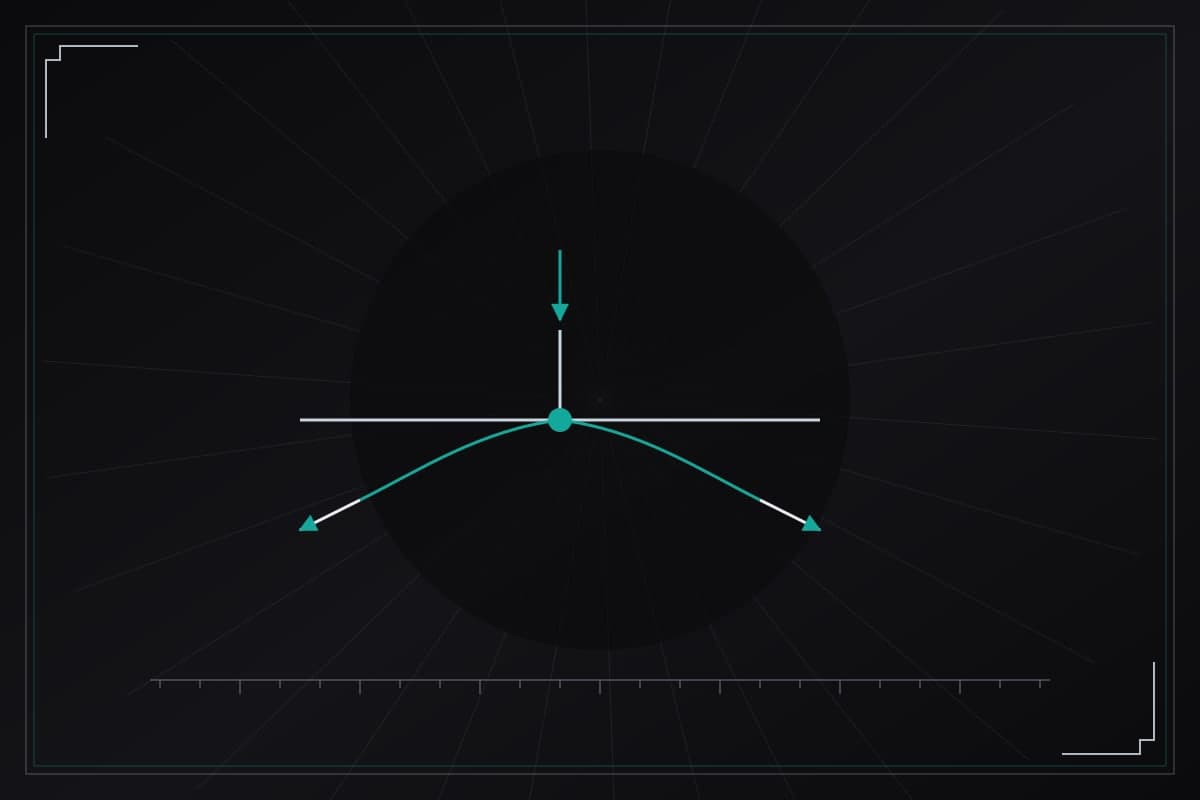
Troubleshooting
Truck Sags When Towing
What rear squat actually indicates, why it affects steering and braking, and which of the three common fixes addresses the real problem.
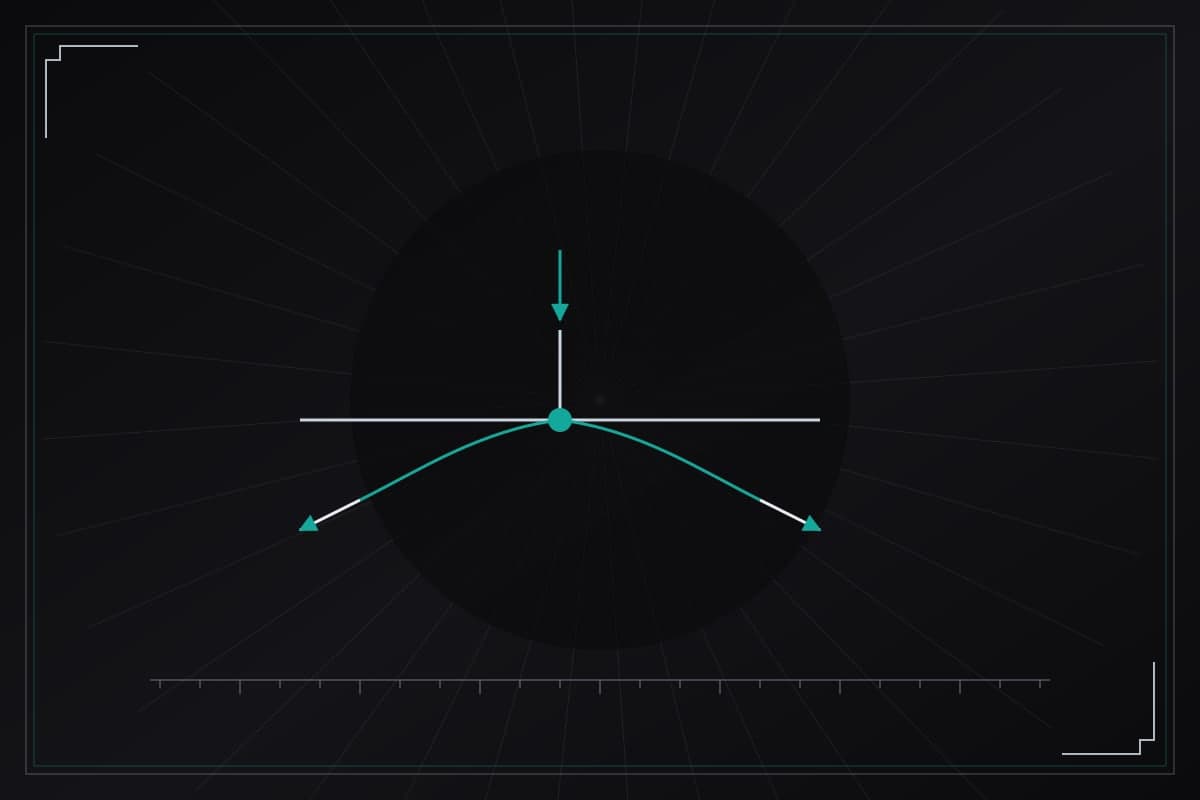
Guide
How a WD Hitch Works
The mechanism in plain terms: where the load goes, why head angle matters, and why bar rating is the specification that counts.
Found something out of date, or a figure you can source better than we did? Corrections get read first. How we research explains how these pages are put together, and contact is one click away.