Class, receiver size, ball diameter, drop. Four numbers decide whether your setup is right, and three of them are stamped on parts you already own.
Most towing confusion lives in this category, and almost all of it comes from four numbers that get used interchangeably when they are not interchangeable: the hitch class, the receiver tube size, the ball diameter, and the drop or rise of the ball mount. Get those four right and the hardware side of towing is essentially solved.
The four numbers
What each number controls
Number
Where you find it
What it decides
Hitch class
Stamped or labeled on the receiver itself
The maximum gross trailer weight and tongue weight the receiver is rated for
Receiver tube size
Measure the square opening: 1-1/4 in, 2 in, 2-1/2 in or 3 in
Which ball mounts and accessories physically fit
Ball diameter
Stamped on top of the ball: 1-7/8 in, 2 in or 2-5/16 in
Which coupler it fits - this must match the coupler exactly
Drop or rise
Measured from the top of the receiver to the top of the mount's ball platform
Whether the trailer tows level
The two that get mixed up most often are class and receiver size. They correlate but they are not the same thing: a 2 in receiver opening appears on Class 3, Class 4 and some Class 5 hitches. The tube tells you what fits; the class tells you what it is rated to pull. Never infer one from the other.
Ball size is a safety item, not a preference
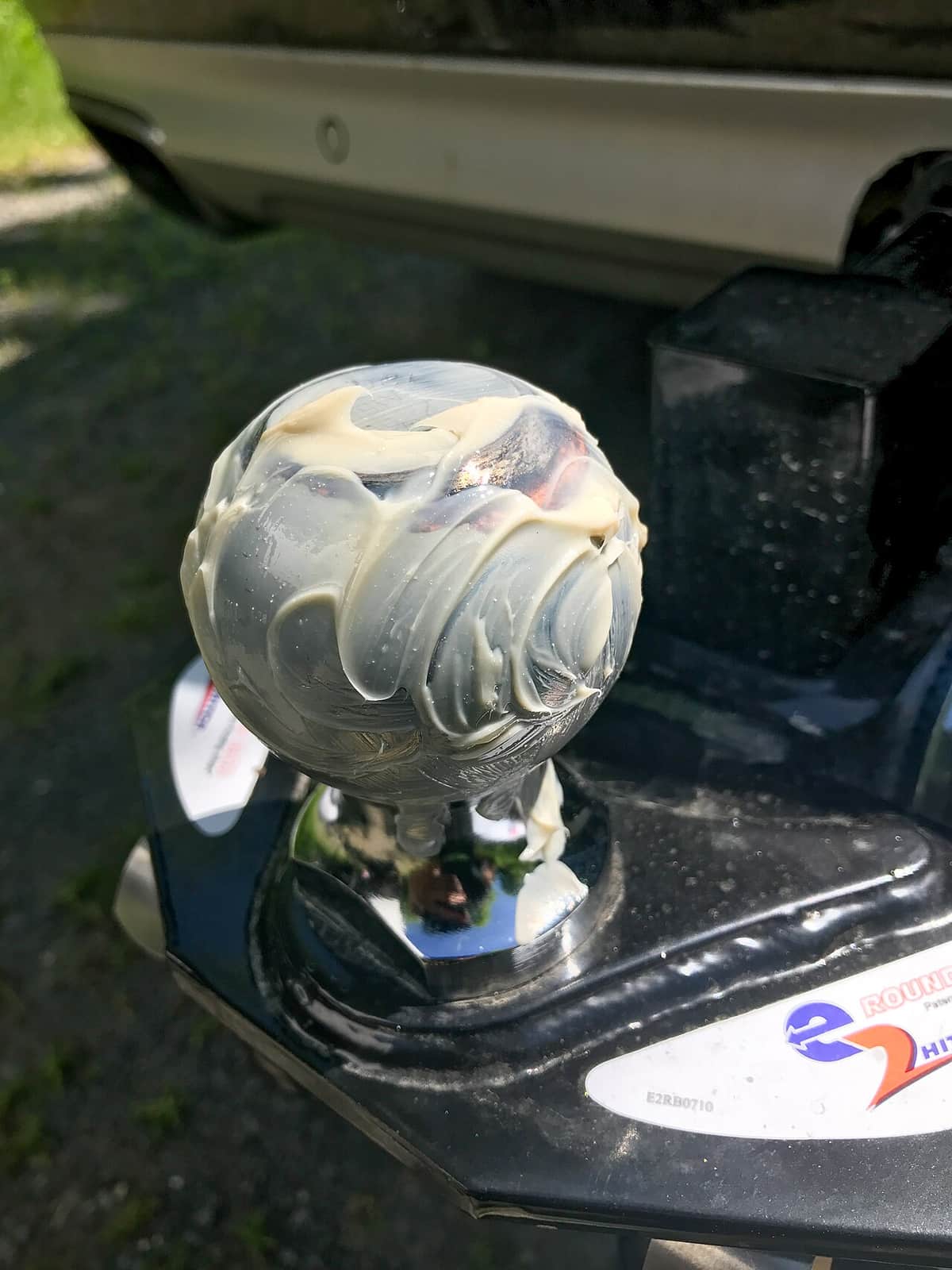
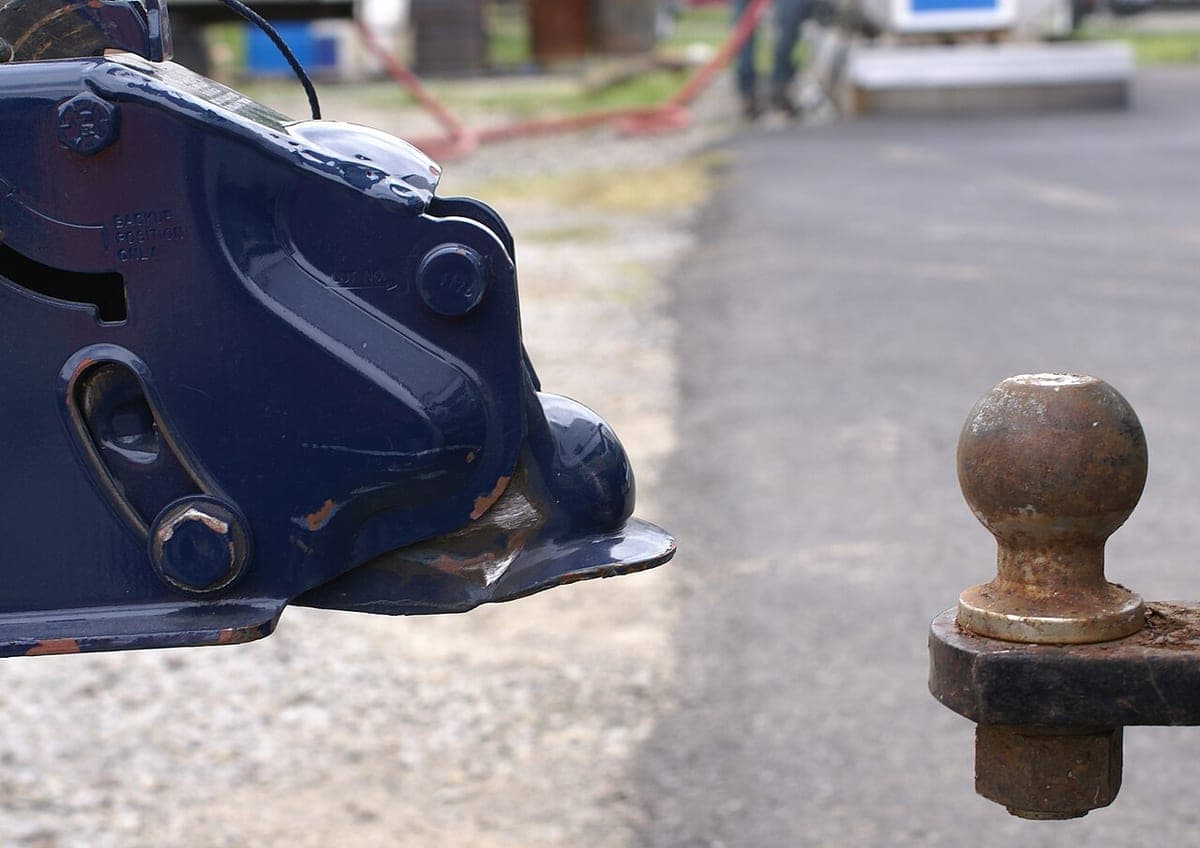
A coupler stamped 2 in goes on a 2 in ball. Not a 1-7/8 in ball that looks close enough, and not a 2-5/16 in ball that will not latch. An undersized ball in an oversized coupler is the classic way trailers come off, because the coupler can lift over it under the right combination of bump and brake.
Ball ratings matter too, and they are independent of the mount's rating. CURT publishes its 2 in stainless ball on a 1 in shank at a 6,000 lb capacity with a 250 ft-lb mounting torque - which is a genuinely high torque figure, and the reason a ball tightened by hand with a crescent wrench is a real failure mode rather than a theoretical one.
How the ball mount category divides
Fixed mounts. One drop, one ball, one piece. Nothing to rattle, nothing to torque, cheapest and lightest. Right answer if you own one trailer and one tow vehicle.
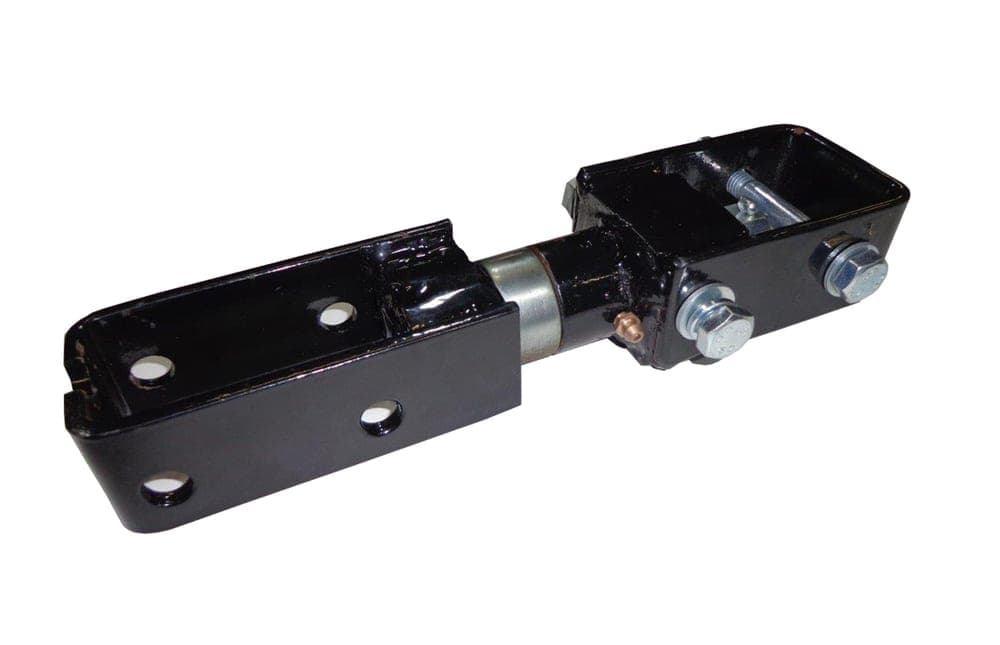
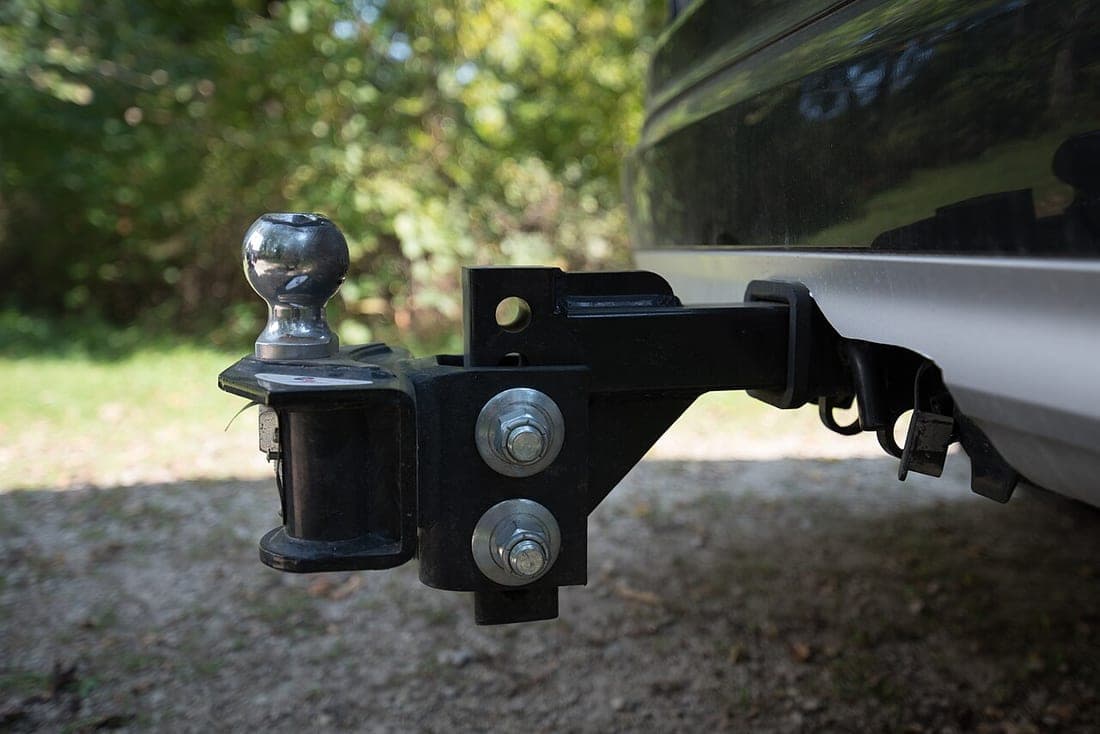
Adjustable channel mounts. A channel with pinned height positions and often two ball sizes. The answer when the driveway contains a boat trailer, a utility trailer and a camper that all sit at different heights.
Pivoting or stowing mounts. Fold up under the bumper when not in use, which solves the shin-height steel bar problem in parking lots.
Mounts with built-in scales. An adjustable drop hitch with a gauge in the shank reads tongue weight as you lower the trailer onto the ball, turning the most-skipped step in towing into something automatic.
What decides the price
Capacity, adjustability and material. A plain 7,500 lb loaded ball mount costs very little because it is one forging. A 14,000 lb adjustable channel mount with two balls costs several times as much because it is heavier steel with more machined parts. Aluminum adjustable mounts cost more again and buy you one thing: you can actually lift them.
The mistake buyers make
Buying the mount before measuring the drop. The measurement is simple - with the trailer sitting level on its jack, measure from the ground to the bottom of the coupler, then from the ground to the top of your receiver tube - but almost nobody does it first, and the result is a trailer that tows nose-high with too much weight on its rear axle. A nose-high trailer is a trailer with reduced tongue weight, and reduced tongue weight is the leading cause of sway.
The second mistake is ignoring the rattle. The gap between a 2 in mount and a 2 in receiver is a manufacturing tolerance, not a defect, and an anti-rattle pin and shim removes it for the price of a coffee. People live with the clunk for years.
How we sourced this
Every figure on this page came from one of the following, each fetched while the page was written. Where a manufacturer or regulator does not publish a number, we say so rather than estimate it.
A method rather than a lookup table: how to establish your receiver's size, pin hole and rating from the vehicle itself.
Read it →
Common questions
Is a 2 inch receiver always a Class 3 hitch?
No. A 2 in receiver opening is used on Class 3, Class 4 and some Class 5 hitches. The tube size tells you what fits; the class and the rating label tell you what it can pull. Read the label on the receiver rather than inferring from the hole.
What ball size do I need?
Whatever is stamped on your trailer's coupler. The three common sizes are 1-7/8 in, 2 in and 2-5/16 in, and they are not interchangeable even when one appears to fit.
How do I work out the drop I need?
Park the trailer level on its jack. Measure from the ground to the bottom of the coupler, then from the ground to the top of the receiver tube. The difference is roughly the drop you need, allowing about an inch for how the vehicle settles once the tongue weight is on it.
Does a ball mount need torquing?
The ball nut does, and the figure is higher than people expect - CURT publishes 250 ft-lb for one of its common 2 in balls. A mount sold with the ball already fitted removes that step, which is a genuine reason to prefer one.