Trailer Sway & Sway Control
Trailer Fishtailing: Causes and Fixes
Fishtailing is not a separate phenomenon. It is sway that was not interrupted early enough, and the causes are the same three.
Disclosure: we earn a commission if you buy through the Amazon links on this page, at no extra cost to you. Commission never decides a verdict or a ranking position - read our editorial policy and affiliate disclosure.
Short answer
Fishtailing is sway that has been allowed to build. Each swing feeds the next because the trailer has too little weight on its tongue, too much behind its axles, or is traveling above its stability threshold. Ending it: throttle off, wheel straight, trailer brakes only.
Why it escalates
A single yaw event is not dangerous. The danger is positive feedback: the trailer's swing to the left pushes the back of the tow vehicle to the right, which points the tow vehicle slightly left, which gives the trailer a push further left on the return swing. Each cycle is bigger than the last. Two or three cycles in, the trailer has more influence on the direction of travel than the steering wheel does.
The reason a manual trailer brake lever works is that it introduces a force at the only point that can interrupt the cycle. Braking the trailer alone puts the whole trailer into tension behind the tow vehicle, and a body being pulled straight cannot keep swinging.
Common triggers
- Being passed by a semi. The bow wave pushes the trailer's nose away and then its tail, which is a textbook two-stage disturbance.
- A crosswind gust at a bridge or a gap in treeline. Sudden onset is what matters, not the average wind speed.
- A steering correction. Swerving for debris then correcting back puts energy into the trailer at exactly the frequency it likes.
- A downhill grade. Gravity adds speed, and speed is the third cause. Many episodes start on long descents.
- A tire problem. A trailer tire losing pressure changes the trailer's cornering behavior unpredictably.
What to change before you drive on
After an episode
Walk around the trailer
Check all tires - including temperature by hand - the coupler latch, the ball nut, the chains, and anything that may have shifted inside.
Move weight forward
Anything heavy behind the axles comes forward of them. This is the single change with the biggest effect.
Check tire pressures
Use the pressure on the trailer's placard. A soft trailer tire adds lag to everything the trailer does.
Measure tongue weight if you can
If you carry a scale or run a hitch with a gauge, read it now. If not, plan to weigh at the next opportunity.
Reduce your cruising speed for the rest of the trip
Treat it as a limit, not a suggestion. The threshold that let this happen has not moved.
Quick picks
Tap any row to jump to the full write-up. How these are chosen - and what we do and do not claim to know - is published in full on our research methodology page.
| # | Product | Best for | Our read | Price |
|---|---|---|---|---|
| 1 | 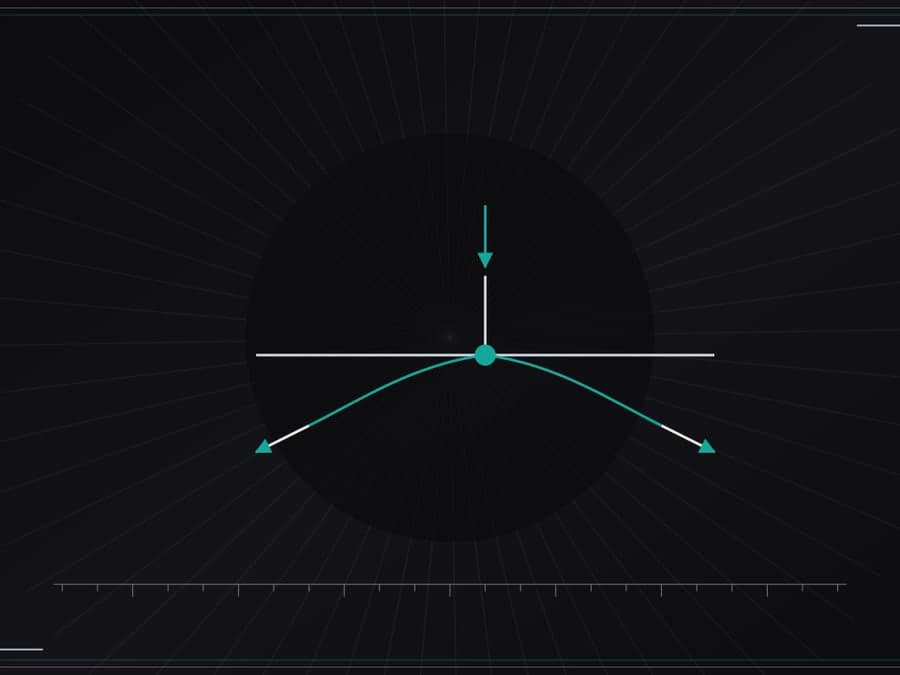 Equal-i-zer 4-point Sway Control Hitch Raise the threshold | Travel trailers that already sway | Four-point friction damps before it builds | Check price on Amazon #ad Affiliate link - we publish no price; Amazon shows the current one |
| 2 | 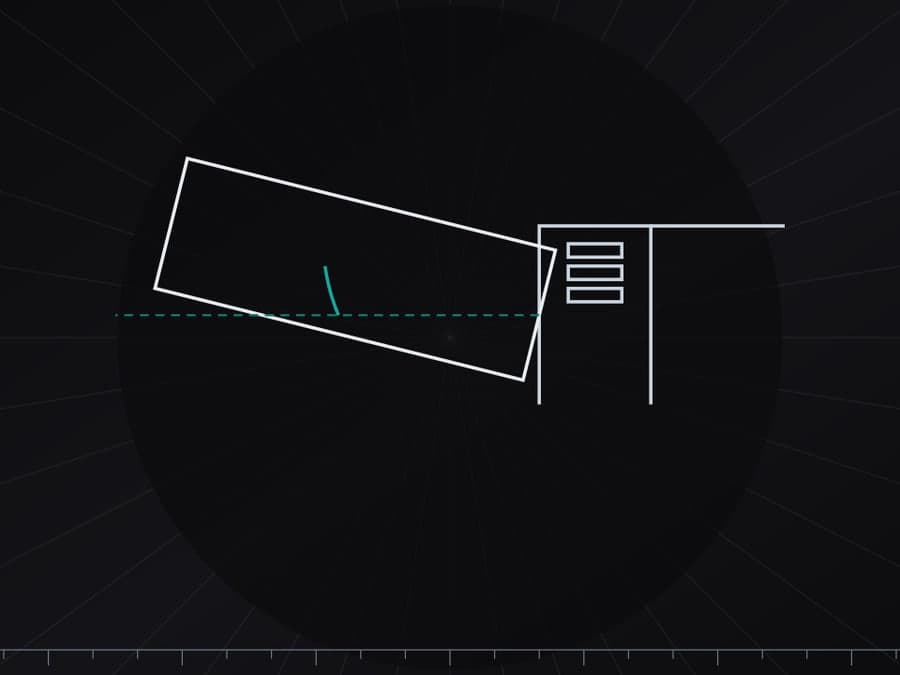 Reese Strait-Line Weight Distribution Hitch with Dual Cam Sway Control For long trailers | Long trailers in crosswinds | Cams return the trailer to center | Check price on Amazon #ad Affiliate link - we publish no price; Amazon shows the current one |
| 3 |  Tekonsha Prodigy P3 Trailer Brake Controller Manual trailer braking | Towing more than one trailer | A lever that pulls the trailer straight | Check price on Amazon #ad Affiliate link - we publish no price; Amazon shows the current one |
1. Raise the threshold
Equal-i-zer 4-point Sway Control Hitch
Equal-i-zer · Best for travel trailers that already sway
The reference point for integrated sway control. Friction happens at four places at once - both L-brackets and both sockets - so resistance is always on rather than something you remember to engage. Setup is bracket-height and bar-angle work, and it rattles; both are the price of a system with no separate parts to forget.
We have not sourced a full specification table for this model from the manufacturer’s own site at a stable address. Rather than repeat figures we cannot cite, the assessment above is limited to what the design and the maker’s published description genuinely establish.
What works
- Sway resistance is built into the geometry, so there is nothing to connect or disconnect at the ramp
- Works in reverse and in the wet, unlike a friction bar you have to release
- One assembly rather than a hitch plus a bolt-on sway bar
What does not
- Audible rattle and creak at low speed is normal and surprises first-time owners
- Bracket height and bar angle have to be set properly or the sway control does little
Skip it if
Skip it if your loaded tongue weight sits well inside your receiver's weight-carrying rating and the truck stays level - you would be buying hardware to solve a problem you do not have.
#ad Affiliate link - we publish no price; Amazon shows the current one
Raw specifications: Equal-i-zer’s own page. We earn nothing on that link.
2. For long trailers
Reese Strait-Line Weight Distribution Hitch with Dual Cam Sway Control
Reese · Best for long trailers in crosswinds
Dual-cam sway control works differently from friction: the cams hold the trailer in the straight-ahead position and have to be pushed out of it, then they pull it back. That is a restoring force rather than a damping one, and it is the reason people who tow long trailers in crosswinds keep choosing it.
We have not sourced a full specification table for this model from the manufacturer’s own site at a stable address. Rather than repeat figures we cannot cite, the assessment above is limited to what the design and the maker’s published description genuinely establish.
What works
- Cams actively return the trailer to center instead of only resisting movement
- Performance does not fall off when the friction surfaces get wet
- Well-understood system with decades of setup documentation behind it
What does not
- More parts to position correctly at setup than a single-friction system
- Cams can clunk as they seat when you pull away
Skip it if
Skip it on a short, light trailer - the cam system is aimed at trailers long enough to generate real yaw, and on a small utility trailer it is complexity for nothing.
#ad Affiliate link - we publish no price; Amazon shows the current one
Raw specifications: Reese’s own page. We earn nothing on that link.
3. Manual trailer braking
Tekonsha Prodigy P3 Trailer Brake Controller
Tekonsha · Best for towing more than one trailer
The proportional controller most other proportional controllers get measured against. It stores settings per trailer, reads out what it is actually doing, and diagnoses wiring faults on the screen instead of leaving you guessing at the connector.
We have not sourced a full specification table for this model from the manufacturer’s own site at a stable address. Rather than repeat figures we cannot cite, the assessment above is limited to what the design and the maker’s published description genuinely establish.
What works
- Stores separate settings for multiple trailers, so you are not re-dialing gain every trip
- On-screen diagnostics name the fault instead of just refusing to work
- Boost settings let you bias braking toward the trailer on a heavy load
What does not
- Needs a proper mounting location within reach and sight of the driver
- More controller than a single light trailer ever needs
Skip it if
Overkill if you tow one small trailer a few times a year and never change the load - a simpler proportional unit does the same job on that trip.
#ad Affiliate link - we publish no price; Amazon shows the current one
Key takeaways
- Fishtailing is sway with positive feedback - the swings grow because nothing interrupts them.
- Applying the trailer brakes alone is the one input that reliably stops an episode.
- Being passed by a truck and long downhill grades are the two most common triggers.
- The fix afterwards is load position and tongue weight, not a faster reaction time.
How we sourced this
Every figure on this page came from one of the following, each fetched while the page was written. Where a manufacturer or regulator does not publish a number, we say so rather than estimate it.
Common questions
- Is fishtailing different from sway?
- Not mechanically. It is the same oscillation at a larger amplitude, after the feedback loop has run for several cycles.
- Will a sway control hitch prevent fishtailing entirely?
- It raises the threshold at which the oscillation starts and damps it faster when it does, which in practice means many episodes never begin. It cannot make a badly loaded trailer stable.
- My tow vehicle has trailer sway control in its stability system. Is that enough?
- Vehicle-side sway control uses individual brakes and engine torque to damp an episode in progress, and it genuinely helps. It is a safety net, not a substitute for correct tongue weight - it activates after the problem has started.
More in Trailer Sway & Sway Control
Sway is almost never a mystery. It comes down to tongue weight, load position or speed - and only one of those three costs money to fix.
Read next
How to
How to Stop Trailer Sway
The in-the-moment response, then the load corrections that keep it from happening again - and when hardware is genuinely the answer.
Guide
Vehicle Sway Control Systems
How factory trailer sway control works, what triggers it, why it sometimes feels intrusive, and when turning it off is justified.
How to
Adjusting Brake Gain
The empirical gain procedure, how to read under- and over-braking, and the loads that make a reset necessary.

Guide
Why Trailers Sway
The physics in plain terms, the three causes ranked by how often they are to blame, and how to tell which one you have.
Found something out of date, or a figure you can source better than we did? Corrections get read first. How we research explains how these pages are put together, and contact is one click away.