Sway is almost never a mystery. It comes down to tongue weight, load position or speed - and only one of those three costs money to fix.
Trailer sway is the side-to-side movement that starts small, builds with each correction, and - if nothing interrupts it - ends with the trailer steering the truck. It is the reason this site exists, and it is the single towing problem most likely to be solved for free rather than with a purchase.
What sway actually is
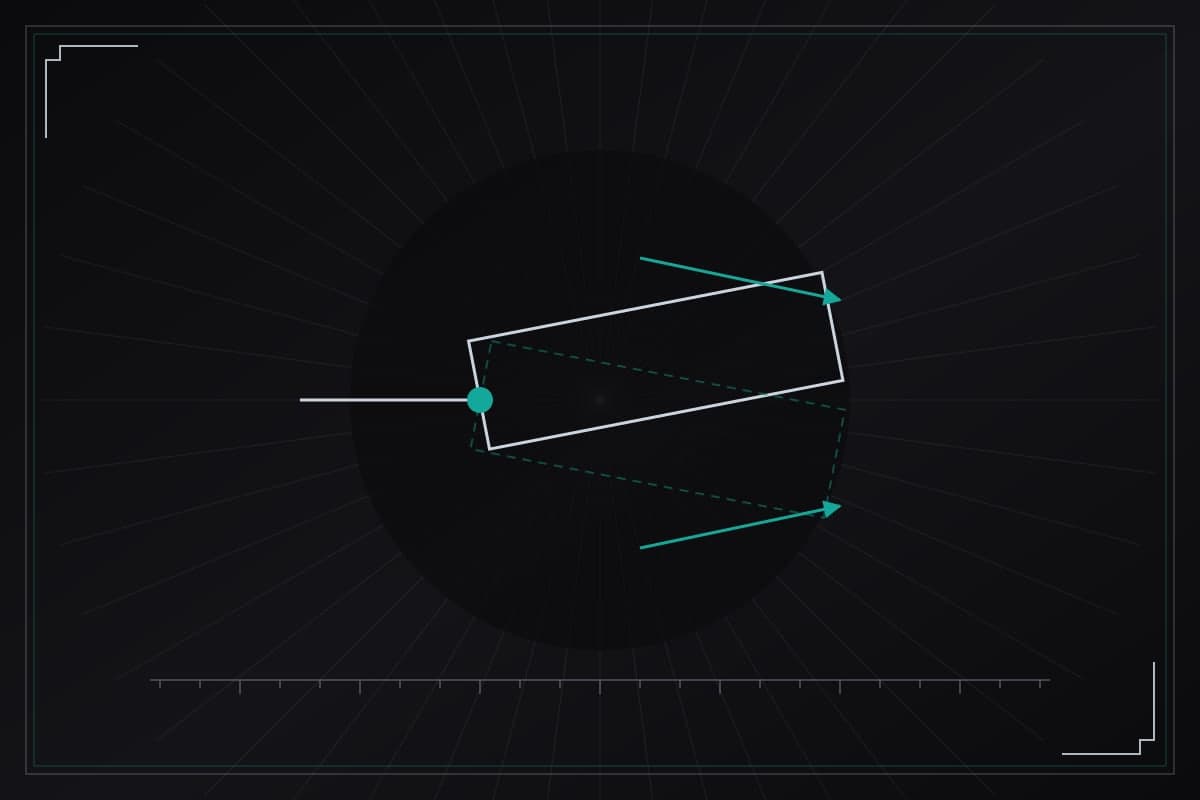
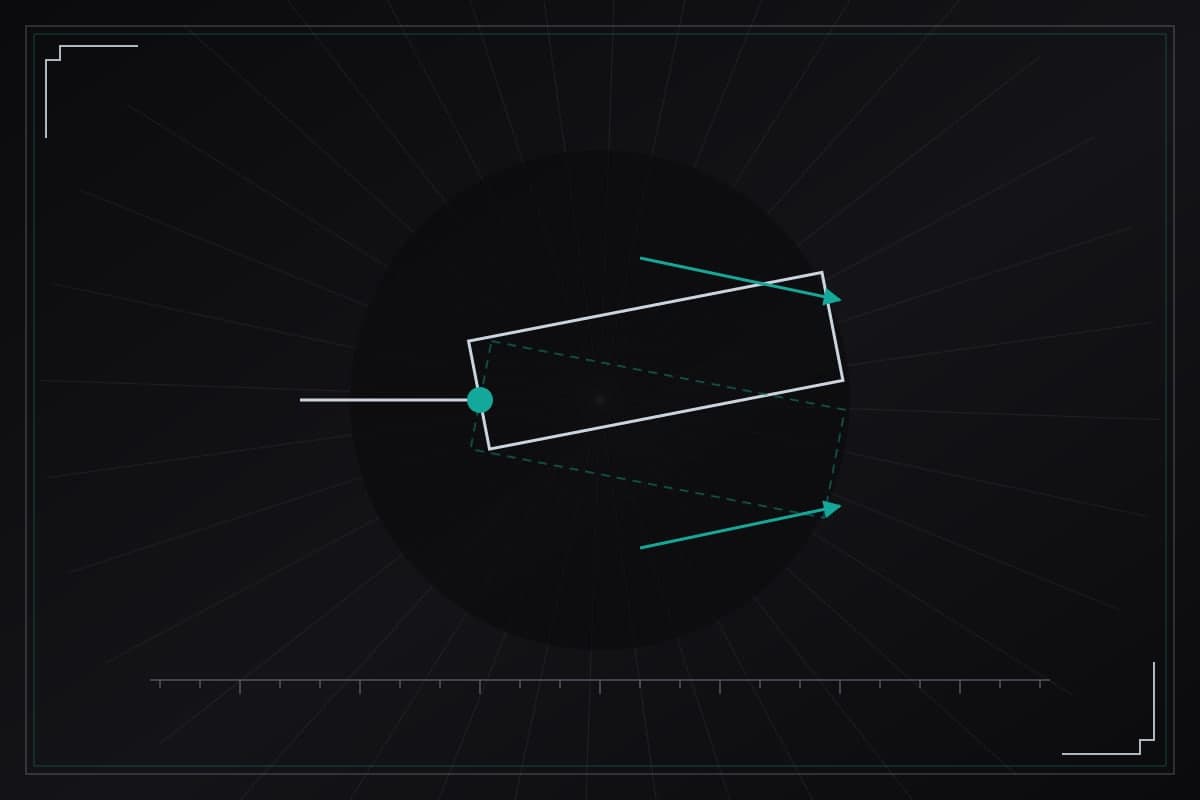
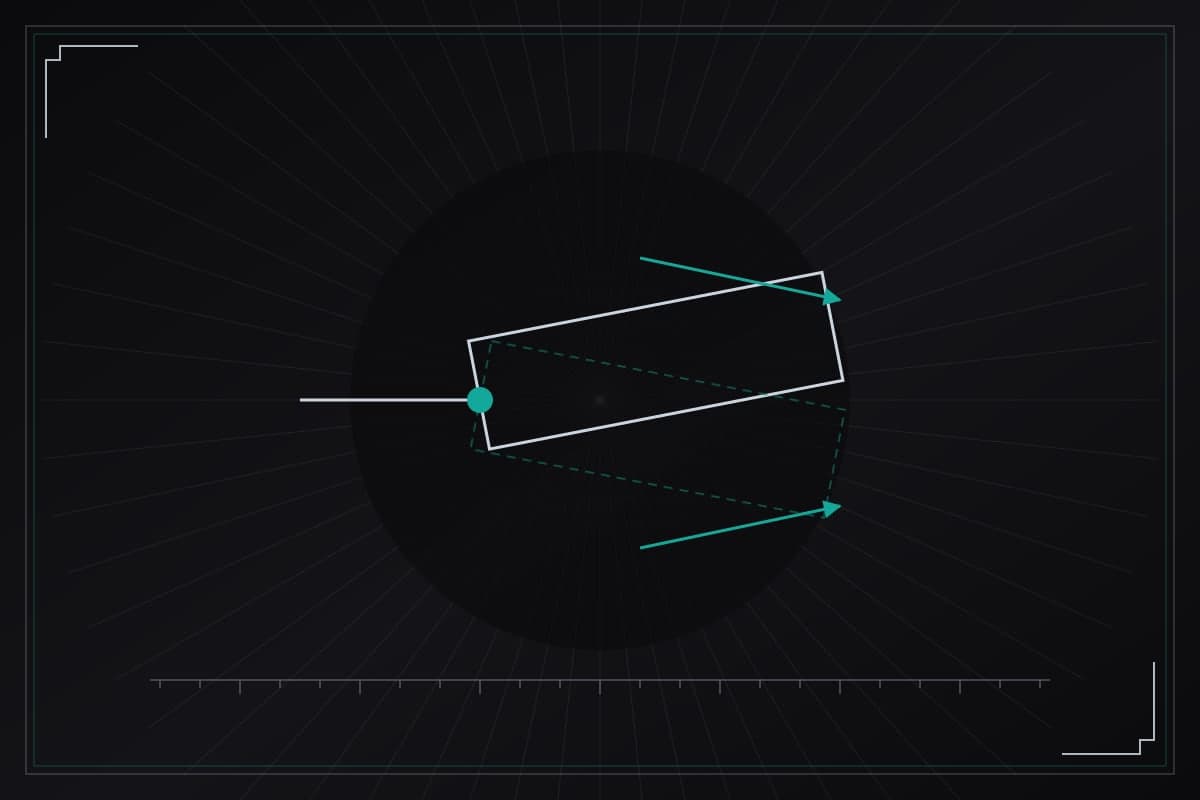
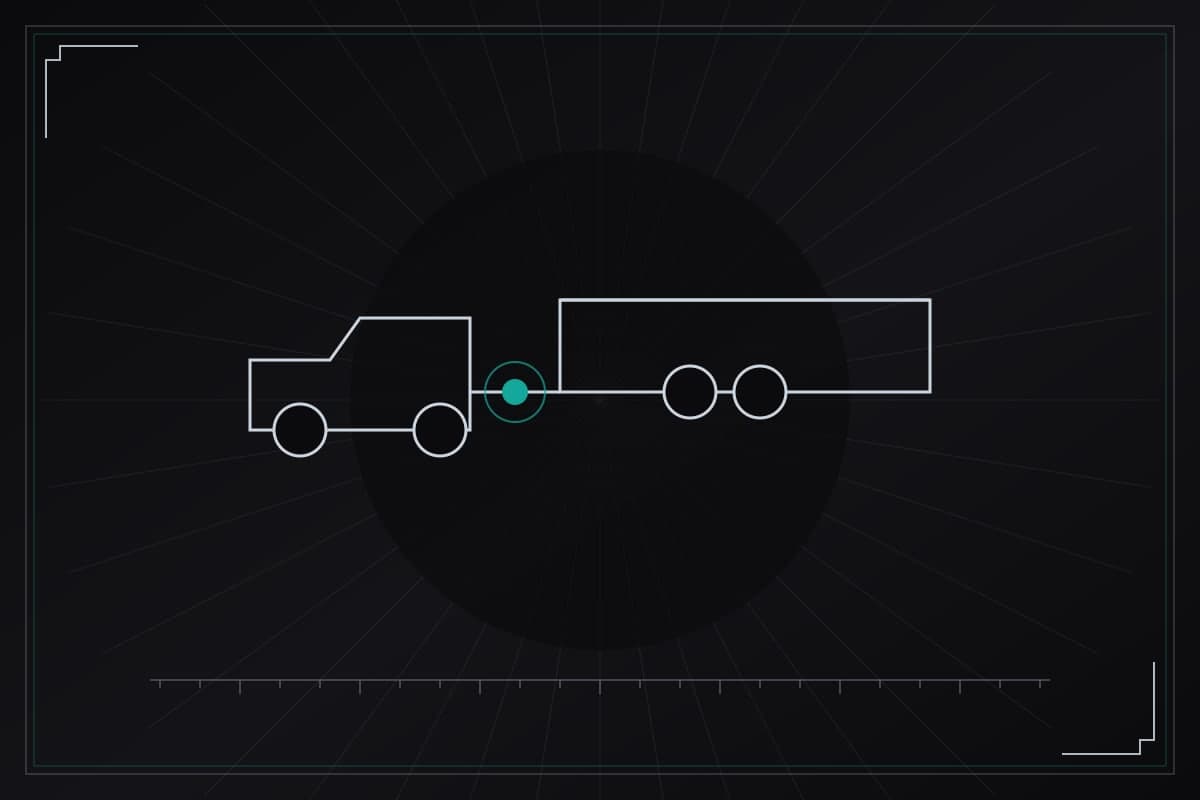
A trailer pivots around its ball. When something pushes the back of the trailer sideways - a gust, a passing truck's bow wave, a steering correction - the trailer yaws. If the trailer has enough weight ahead of its axles, that yaw damps out on its own within a second or two. If it does not, each swing feeds the next one, and the amplitude grows. That growth is the whole problem. A trailer that wobbles once and settles is not swaying; a trailer whose wobble gets bigger is.
Three things decide which of those you get: how much of the trailer's weight sits on the tongue, where the heavy items sit relative to the trailer's axles, and how fast you are going. Everything else - hitch brand, bar rating, tire pressure, wind - modifies those three.
The three causes, in the order worth checking
1Tongue weight too low. The target most manufacturers and towing guides converge on is 10 to 15 percent of the loaded trailer's weight carried on the tongue. Below about 10 percent, the trailer is effectively balanced on its axles and will yaw at the slightest provocation. This is the most common cause by a wide margin and it costs nothing to fix - you move cargo forward.
2Weight behind the axles. A generator, a bike rack, a full water tank or a toolbox mounted at the back of the trailer acts on a long lever. A hundred pounds at the rear bumper of a trailer does far more to destabilize it than a hundred pounds over the axles does to stabilize it.
3Speed. Every trailer has a speed above which small disturbances stop damping and start growing. It is not a fixed number, and the only honest advice is that the speed exists, that it drops as the load gets worse, and that slowing down moves you back below it immediately.
The three classes of fix, and what each one does
Hardware for sway falls into three groups, and they do genuinely different jobs. Buying from the wrong group is why some people spend several hundred dollars and still sway.
What each class of hardware actually does
Class
What it does
What it does not do
Friction sway bar
Adds resistance between the trailer tongue and the ball mount, damping yaw
Nothing about a tow vehicle that is squatting - it transfers no load
Weight distribution hitch
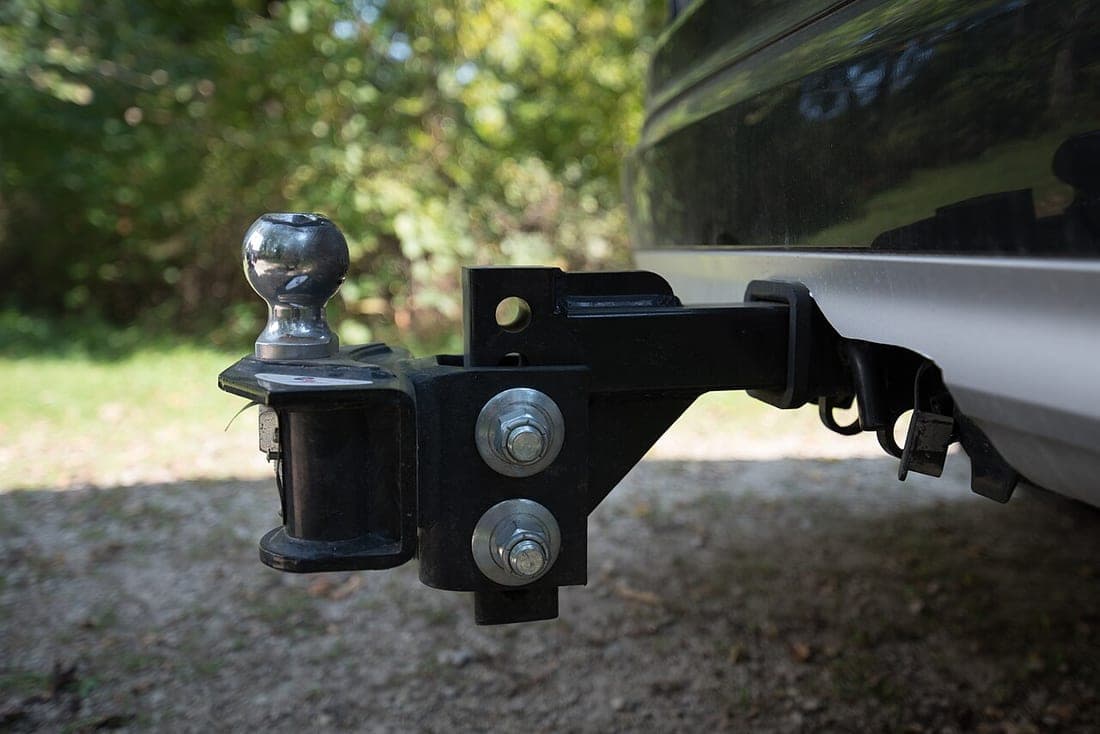
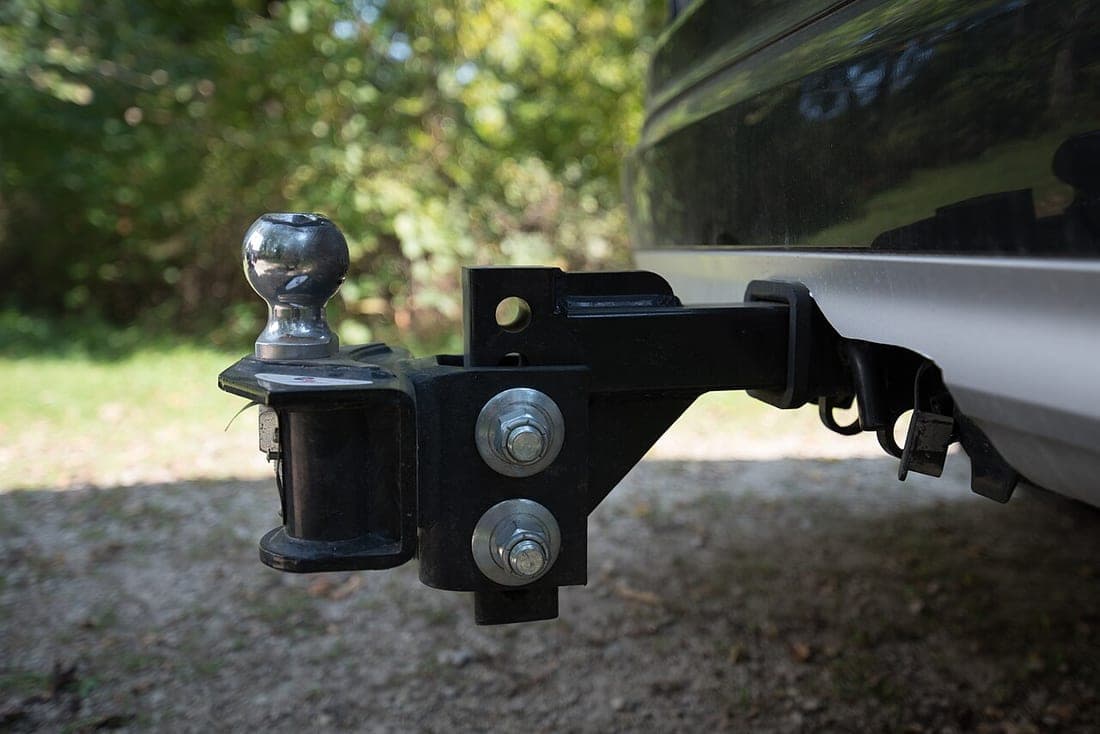
Levers load off the tow vehicle's rear axle and back onto its front axle and the trailer's axles
Not necessarily anything about sway, unless it also has sway control built in
Weight distribution with integrated sway control
Both of the above at once, with sway resistance that cannot be left disconnected
Fix a badly loaded trailer - it raises the threshold, it does not remove the cause
That last row is the one to read twice. No hitch on the market makes a tail-heavy trailer safe. What good hardware does is widen the margin between normal driving and the point where sway starts - which is worth a great deal, and is not the same as a cure.
What decides the price
A friction bar is the cheapest thing here and takes minutes to fit. A weight distribution hitch with integrated four-point sway control is several times the price, weighs over a hundred pounds in some cases, and takes an afternoon to set up properly the first time. Within the weight distribution category, price tracks three things: the bar rating, whether sway control is integral or a bolt-on accessory, and how much of the setup is designed to be doable by one person.
Bar rating is the specification that matters most and the one most often got wrong. Bars are rated for a tongue weight range, and they transfer the most load when your actual tongue weight sits in the middle of their range - not at the top of it. A bar run at its ceiling flexes less than it should; a bar far above your tongue weight barely flexes at all and transfers almost nothing. Measure first, then buy.
The mistake buyers make
The common mistake is buying sway control before measuring tongue weight. It is understandable - sway is frightening and hardware feels like action - but it inverts the order of operations. A trailer with 7 percent tongue weight and a four-point hitch is still a trailer with 7 percent tongue weight. Weigh the tongue, move the load, drive it, and then decide whether you still have a problem. Often you will not, and the money stays in your pocket.
The second mistake is assuming an empty trailer is a safe trailer. It is frequently the opposite: an empty trailer has very little tongue weight in absolute terms and almost nothing damping it, which is why cargo trailers and horse trailers so often behave worst on the run home.
How we sourced this
Every figure on this page came from one of the following, each fetched while the page was written. Where a manufacturer or regulator does not publish a number, we say so rather than estimate it.
The setup sequence for friction bars and integrated systems, what to measure, and the symptoms of each setting being wrong.
Read it →
Common questions
Does a weight distribution hitch stop sway on its own?
Not reliably. A plain weight distribution hitch transfers load; it does not add yaw resistance. Several hitches combine both functions, and those are the ones worth buying if sway is your actual complaint. If you already own a plain weight distribution hitch, a friction bar can be added alongside it.
What tongue weight should I be aiming for?
Between 10 and 15 percent of the loaded trailer's total weight, measured with the trailer loaded the way you actually tow it. Below 10 percent is where sway problems concentrate. Above 15 percent you start eating into the tow vehicle's payload and pushing the back of the truck down.
Will slowing down really fix it?
It will stop an episode that is already happening, and it keeps you below the speed where the oscillation grows. It is not a fix for the underlying load problem - it is the thing you do while you get to somewhere you can move cargo forward.
Do I need to disconnect a friction sway bar to back up?
Yes for tight maneuvering, and in icy conditions. That is the main practical disadvantage of a friction bar compared with a hitch that has sway control designed into the geometry, which stays engaged in reverse.