Trailer Sway & Sway Control
Setting Up and Adjusting Sway Control
A correctly sized hitch set up carelessly behaves like the wrong hitch. These are the settings that matter and the order to do them in.

Disclosure: we earn a commission if you buy through the Amazon links on this page, at no extra cost to you. Commission never decides a verdict or a ranking position - read our editorial policy and affiliate disclosure.
Short answer
Set ride height first with the trailer level, then set bar angle so the bars run roughly parallel to the trailer A-frame under tension, then set friction last. Adjusting friction to cure a geometry problem does not work.
Before you adjust anything
Two measurements make the rest of the job straightforward. Park on level ground, unhitched, and measure the height of the tow vehicle's front fender arch above the ground. Then measure the trailer coupler height with the trailer sitting level. Write both down - every adjustment afterwards is judged against the first number.
Step by step
Setup sequence
Set the ball height
Choose the ball mount drop or rise so the coupler sits at the height you measured with the trailer level. A nose-high trailer loses tongue weight; a nose-low trailer gains it and loads the trailer's front axle.
Hitch up with no tension on the bars
Couple, latch, pin, and connect the chains. Leave the spring bars unloaded for now.
Set the head angle
The hitch head tilts, usually set with washers or a tilt adjustment. More tilt back increases the pre-load in the bars. Start with the manufacturer's recommended starting point, not with a guess.
Load the bars and re-measure the front fender
Tension the bars, then measure the front fender arch again. You are aiming to recover most of the drop that hitching caused - commonly about half to all of it, depending on the manufacturer.
Set the bracket height so the bars run roughly parallel to the A-frame
On L-bracket systems, bracket position changes both bar angle and the friction effect at the bracket. Too low and the bars are over-tensioned and the ride turns harsh; too high and transfer is weak.
Set friction last, if it is adjustable
On a friction bar, tighten the handle until the bar resists movement firmly but can still be moved by hand with effort. On four-point systems the friction is set by the geometry you have already established.
Drive and re-check
Take a short drive, then re-measure the fender height and look at the bar angle. Most setups need one round of fine adjustment.
Reading the symptoms
| Symptom | Likely cause | Adjustment |
|---|---|---|
| Truck still squats, front end light | Not enough bar tension | More head tilt, or lower brackets |
| Harsh, jolting ride over bumps | Too much bar tension | Less head tilt, or raise brackets |
| Trailer nose-high | Wrong ball mount drop | Change the mount, not the bars |
| Sway persists with correct tension | Tongue weight too low | Move cargo forward - this is not a setup issue |
| Loud clunk over bumps | Receiver slop or loose ball nut | Anti-rattle shim; torque the ball nut |
Quick picks
Tap any row to jump to the full write-up. How these are chosen - and what we do and do not claim to know - is published in full on our research methodology page.
| # | Product | Best for | Our read | Price |
|---|---|---|---|---|
| 1 |  Equal-i-zer 4-point Sway Control Hitch Fewest variables | Travel trailers that already sway | Bracket height and bar angle only | Check price on Amazon #ad Affiliate link - we publish no price; Amazon shows the current one |
| 2 |  CURT Sway Control Kit Simplest to tension | Light trailers that wander | One adjustable handle | Check price on Amazon #ad Affiliate link - we publish no price; Amazon shows the current one |
| 3 |  CURT Anti-Rattle Hitch Pin and Shim (2 in receiver) Finish the job | Killing receiver rattle | Removes receiver slop after setup | Check price on Amazon #ad Affiliate link - we publish no price; Amazon shows the current one |
1. Fewest variables
Equal-i-zer 4-point Sway Control Hitch
Equal-i-zer · Best for travel trailers that already sway
The reference point for integrated sway control. Friction happens at four places at once - both L-brackets and both sockets - so resistance is always on rather than something you remember to engage. Setup is bracket-height and bar-angle work, and it rattles; both are the price of a system with no separate parts to forget.
We have not sourced a full specification table for this model from the manufacturer’s own site at a stable address. Rather than repeat figures we cannot cite, the assessment above is limited to what the design and the maker’s published description genuinely establish.
What works
- Sway resistance is built into the geometry, so there is nothing to connect or disconnect at the ramp
- Works in reverse and in the wet, unlike a friction bar you have to release
- One assembly rather than a hitch plus a bolt-on sway bar
What does not
- Audible rattle and creak at low speed is normal and surprises first-time owners
- Bracket height and bar angle have to be set properly or the sway control does little
Skip it if
Skip it if your loaded tongue weight sits well inside your receiver's weight-carrying rating and the truck stays level - you would be buying hardware to solve a problem you do not have.
#ad Affiliate link - we publish no price; Amazon shows the current one
Raw specifications: Equal-i-zer’s own page. We earn nothing on that link.
2. Simplest to tension
CURT Sway Control Kit
CURT · Best for light trailers that wander
A single friction bar between the trailer tongue and the ball mount, with adjustable tension. It damps yaw; it does not transfer load. On a light trailer that wanders a little it is the cheapest honest fix, and on a heavy one it is not enough on its own.
What works
- Simple, serviceable and easy to fit to an existing ball mount
- Tension is adjustable, so you can match it to the trailer
- Takes minutes to add to a setup you already own
What does not
- Must be disconnected before backing up tightly or in icy conditions
- Damps sway but does nothing about a tow vehicle that is squatting
Skip it if
The wrong answer if your truck sags at the back when the trailer is on - that is a load-distribution problem and a friction bar will not touch it.
#ad Affiliate link - we publish no price; Amazon shows the current one
Raw specifications: CURT’s own page. We earn nothing on that link.
3. Finish the job
CURT Anti-Rattle Hitch Pin and Shim (2 in receiver)
CURT · Best for killing receiver rattle
A pin plus a wedge shim that takes the slop out of the gap between a 2 in mount and a 2 in receiver. That gap is a manufacturing tolerance, not a fault, and this is the cheapest thing on the whole site that fixes a real, daily annoyance.
Published specifications
What works
- Removes the clunk over expansion joints for very little money
- Fits in a glovebox and transfers between vehicles
- No modification to the receiver or the mount
What does not
- Does nothing about rattle originating at the coupler or the sway bar
- Listed as superseded, so check the current item number
Skip it if
Not the fix if the noise is coming from a loose ball nut or a worn coupler - find the source first, because a shim will just mask it.
#ad Affiliate link - we publish no price; Amazon shows the current one
Raw specifications: CURT’s own page. We earn nothing on that link.
Key takeaways
- Measure the front fender height unhitched - every adjustment is judged against that number.
- Order matters: ball height, then head angle, then bracket height, then friction.
- Harsh ride means too much tension; a squatting truck means too little.
- Setup cannot fix a tongue weight problem, and friction cannot fix a geometry problem.
How we sourced this
Every figure on this page came from one of the following, each fetched while the page was written. Where a manufacturer or regulator does not publish a number, we say so rather than estimate it.
Common questions
- How much of the front-end drop should I restore?
- Manufacturers differ - some specify restoring the full drop, others about half. Follow the instructions for your specific hitch, because the bar rating and head design assume a particular target.
- Do I need to re-set it for a different trailer?
- Yes. Ball height, bar tension and bracket position are all trailer-specific. Mark your settings for each trailer so switching back is quick.
- Can I set up a weight distribution hitch alone?
- Yes, though snap-up brackets under tension are the awkward part. Systems with clamp-on latches or chain tensioning are designed around doing it alone, which is a legitimate reason to choose one.
More in Trailer Sway & Sway Control
Sway is almost never a mystery. It comes down to tongue weight, load position or speed - and only one of those three costs money to fix.
Read next

How to
WD Hitch Setup Guide
The full setup sequence with the measurements that make it verifiable, plus how to read the symptoms of each wrong setting.
Best for stopping sway
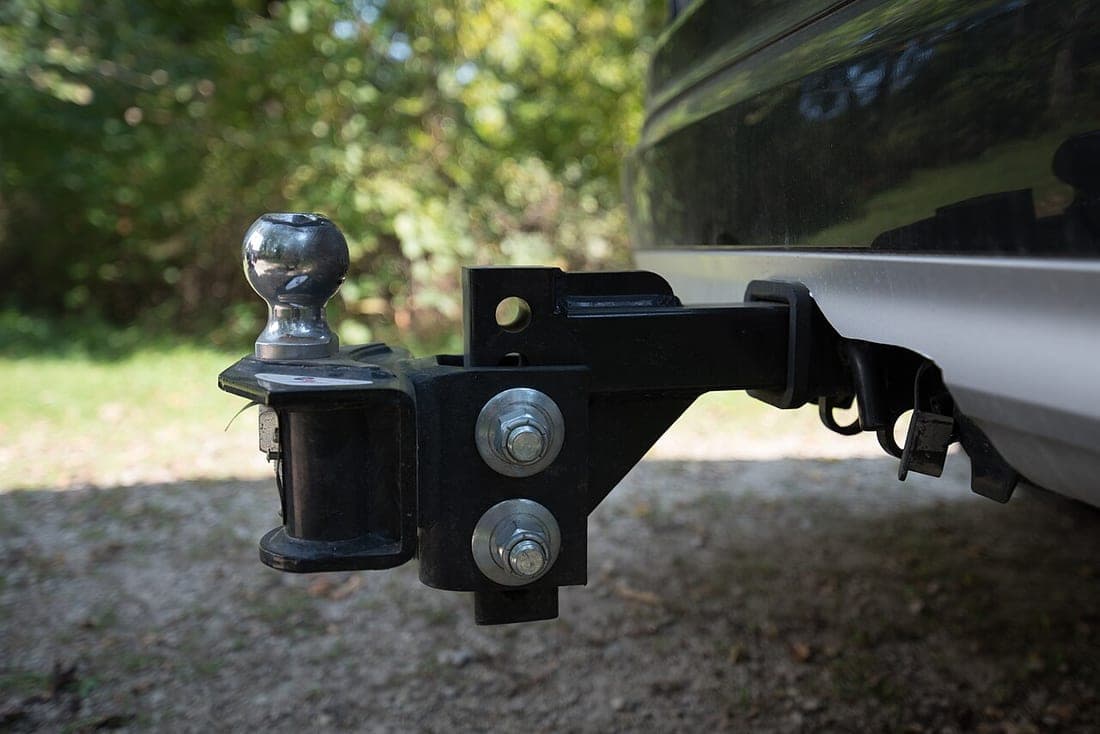
Best Sway Control Hitches
Integrated four-point, cam-based and friction systems compared by how they behave in reverse, in rain, and when you forget a step.
Guide
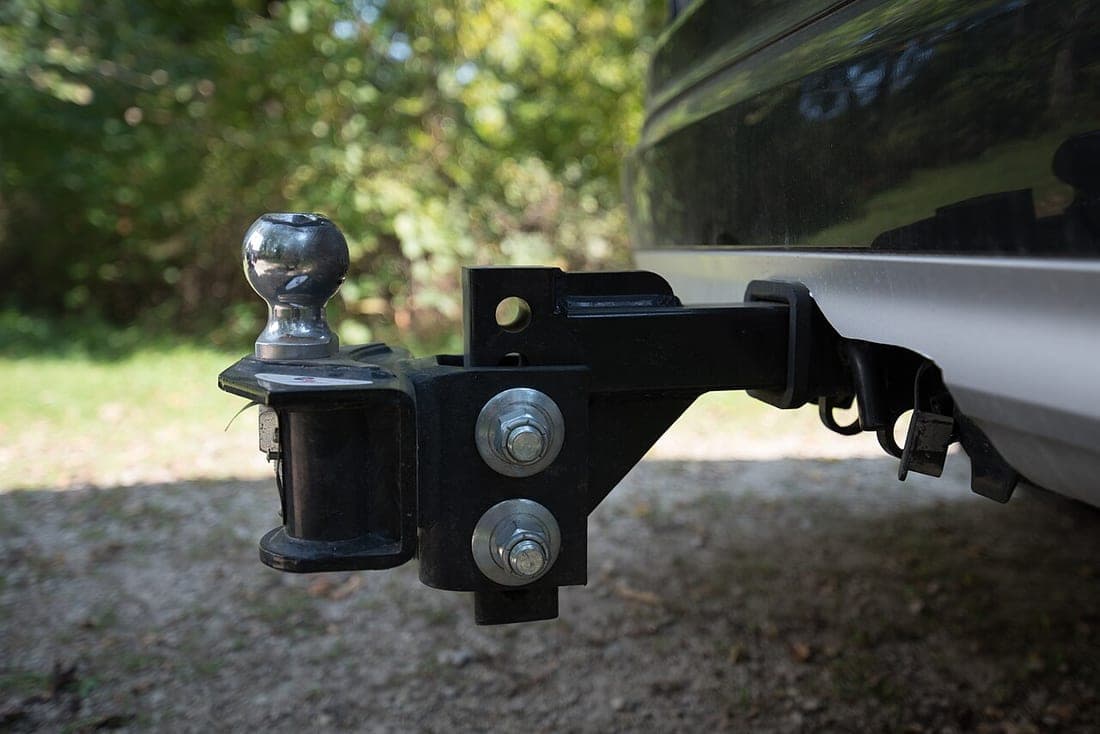
Adjustable Ball Mounts
How channel-style adjustable mounts work, what to check before each tow, and when a fixed mount is simply better.

Head to head
Sway Control Types Compared
Damping versus a restoring force versus always-on friction - what each mechanism does and when each one lets you down.
Found something out of date, or a figure you can source better than we did? Corrections get read first. How we research explains how these pages are put together, and contact is one click away.