Hitches, Receivers & Ball Mounts
Adjustable Ball Mounts Explained
They solve a real problem - several trailers at several heights - at the cost of weight, rattle and a few more things to check.
Disclosure: we earn a commission if you buy through the Amazon links on this page, at no extra cost to you. Commission never decides a verdict or a ranking position - read our editorial policy and affiliate disclosure.
Short answer
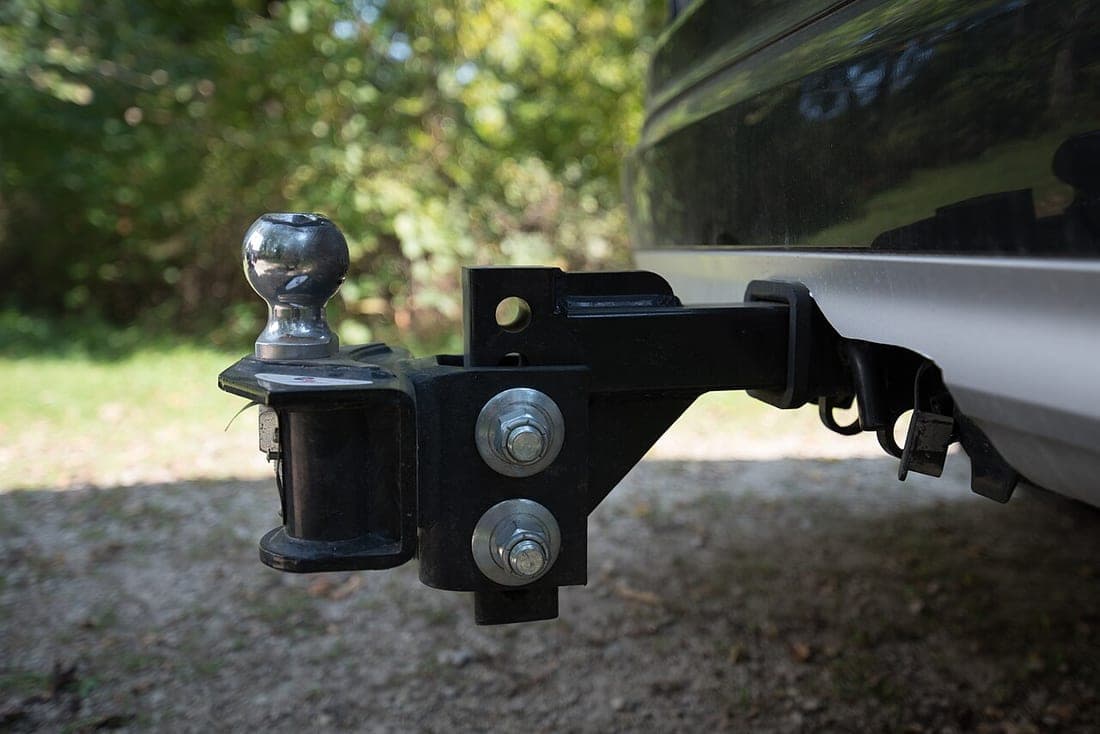
An adjustable mount is a shank with a slotted channel; the ball platform pins to it at a chosen height and can usually be flipped for rise. Many carry two ball sizes. The trade is weight, cost and more joints that can rattle.
How the adjustment works
The shank slides into the receiver as normal. The ball platform attaches to the shank's channel with pins or bolts at discrete positions. Inverting the platform converts drop into rise. CURT's adjustable channel mount, as an example, publishes a 6 in maximum drop and a 5-1/4 in maximum rise with a 2 in shank.
What you gain
- Multiple trailers, one mount. A boat trailer, a utility trailer and a camper sitting at three different heights need one mount instead of three.
- Two ball sizes without swapping. Dual-ball heads flip between 2 in and 2-5/16 in in seconds.
- Adaptability after a suspension change. A leveling kit or new tires changes your required drop; an adjustable mount absorbs that.
- Higher capacities than you might expect. The CURT mount above is rated 14,000 lb gross with the larger ball.
What you give up
- Weight. Substantially heavier than a fixed mount, and you will be lifting it.
- Noise. More joints means more places for play to develop.
- Maintenance. Pins, bolts and ball nuts all need periodic torque checks that a one-piece mount does not.
- Discrete heights. Pin positions may not land exactly where you want, so "close to level" is sometimes the best available.
Keeping one quiet and safe
Before each tow
Check the platform pins or bolts
They carry the full load in shear. Torque to the manufacturer's figure and look for elongated holes.
Check the ball nuts
Both of them on a dual-ball head. This is the single most-skipped check on adjustable mounts.
Check the hitch pin and any anti-rattle device
A shim takes up receiver play but needs re-seating after the mount has been out.
Confirm the height is still right
If the trailer's load has changed substantially, the level position may have too.
Quick picks
Tap any row to jump to the full write-up. How these are chosen - and what we do and do not claim to know - is published in full on our research methodology page.
| # | Product | Best for | Our read | Price |
|---|---|---|---|---|
| 1 |  CURT Adjustable Channel Mount with Dual Ball (2 in shank, 6 in drop) Best all-round | Garages with several trailers | 6 in drop, 5-1/4 in rise, two balls | Check price on Amazon #ad Affiliate link - we publish no price; Amazon shows the current one |
| 2 |  Andersen Rapid Hitch Aluminum Adjustable Ball Mount Lightest | Anyone tired of lifting steel mounts | Aluminum, thread-on balls | Check price on Amazon #ad Affiliate link - we publish no price; Amazon shows the current one |
| 3 |  B&W Tow & Stow Adjustable Ball Mount Best stowing | Daily drivers that tow occasionally | Folds under the bumper | Check price on Amazon #ad Affiliate link - we publish no price; Amazon shows the current one |
1. Best all-round
CURT Adjustable Channel Mount with Dual Ball (2 in shank, 6 in drop)
CURT · Best for garages with several trailers
One mount that covers two ball sizes and a range of heights, which is the answer when the garage contains a boat trailer, a utility trailer and a camper that all sit at different heights. Capacity drops to the lower-rated ball you are actually using.
Published specifications
What works
- Two ball sizes and a height range in a single mount
- Flipping it gives rise as well as drop
- Rated to 14,000 lb on the larger ball
What does not
- Heavy, and more joints means more places for rattle to start
- The pins and bolts need checking for torque, unlike a one-piece mount
Skip it if
Pointless if you own one trailer and tow it with one truck - a fixed mount at the right height is lighter, quieter and cheaper.
#ad Affiliate link - we publish no price; Amazon shows the current one
Raw specifications: CURT’s own page. We earn nothing on that link.
2. Lightest
Andersen Rapid Hitch Aluminum Adjustable Ball Mount
Andersen Hitches · Best for anyone tired of lifting steel mounts
An aluminum adjustable mount, which is the point: a steel channel mount is genuinely heavy to carry, and this one is not. Balls thread into the stainless pin rather than bolting through a hole, so swapping sizes takes seconds.
We have not sourced a full specification table for this model from the manufacturer’s own site at a stable address. Rather than repeat figures we cannot cite, the assessment above is limited to what the design and the maker’s published description genuinely establish.
What works
- Dramatically lighter than a steel adjustable mount of similar capacity
- Ball changes are a thread-on operation, not a torque-and-nut job
- Aluminum does not rust streak down a painted bumper
What does not
- Aluminum marks more easily than powder-coated steel
- Capacity depends on which ball and pin combination you fit, so read the chart
Skip it if
Not the one if you leave the mount permanently in the receiver through salted winters - the convenience you are paying for is weight, and you would never be lifting it.
#ad Affiliate link - we publish no price; Amazon shows the current one
Raw specifications: Andersen Hitches’s own page. We earn nothing on that link.
3. Best stowing
B&W Tow & Stow Adjustable Ball Mount
B&W Trailer Hitches · Best for daily drivers that tow occasionally
Two balls on a pivoting head that tucks up under the bumper when nothing is attached, which is the part owners actually rave about - no more shin-height steel bar in a parking lot. Height adjusts in pin increments rather than continuously.
We have not sourced a full specification table for this model from the manufacturer’s own site at a stable address. Rather than repeat figures we cannot cite, the assessment above is limited to what the design and the maker’s published description genuinely establish.
What works
- Stows up out of the way instead of projecting behind the bumper
- Two ball sizes on one head, flipped rather than swapped
- Solid, heavily built, and quiet when pinned correctly
What does not
- Heavy to handle and to store
- Height steps are fixed by the pin holes, so an exact level may not be available
Skip it if
Not the right buy if you need a precise level height - a continuously adjustable channel mount will get closer than pin increments will.
#ad Affiliate link - we publish no price; Amazon shows the current one
Raw specifications: B&W Trailer Hitches’s own page. We earn nothing on that link.
Key takeaways
- Adjustable mounts earn their place when you own more than one trailer.
- Capacity often depends on which ball you fit, not the mount alone.
- More joints means more torque checks, not fewer.
- If you have one trailer at one height, a fixed mount is better in every way that matters.
How we sourced this
Every figure on this page came from one of the following, each fetched while the page was written. Where a manufacturer or regulator does not publish a number, we say so rather than estimate it.
Common questions
- Are adjustable mounts as strong as fixed ones?
- Within their published rating, yes. They are rated as assemblies and that rating accounts for the pinned joints. Keeping the fasteners torqued is the condition on which that rating depends.
- Why does mine rattle more than my old fixed mount?
- More interfaces: receiver to shank, shank to platform, platform to ball. Check the platform fasteners first, then address receiver play with a shim.
- Can I leave it in the receiver permanently?
- You can, with a locking pin. Expect faster corrosion at the pinned joints and check the fasteners more often if you do.
More in Hitches, Receivers & Ball Mounts
Class, receiver size, ball diameter, drop. Four numbers decide whether your setup is right, and three of them are stamped on parts you already own.
Read next
Best ball mount
Best Ball Mounts
Fixed, adjustable, stowing and scale-equipped mounts compared on drop range, capacity and how much they rattle.
Guide
Ball Mount vs Hitch Ball
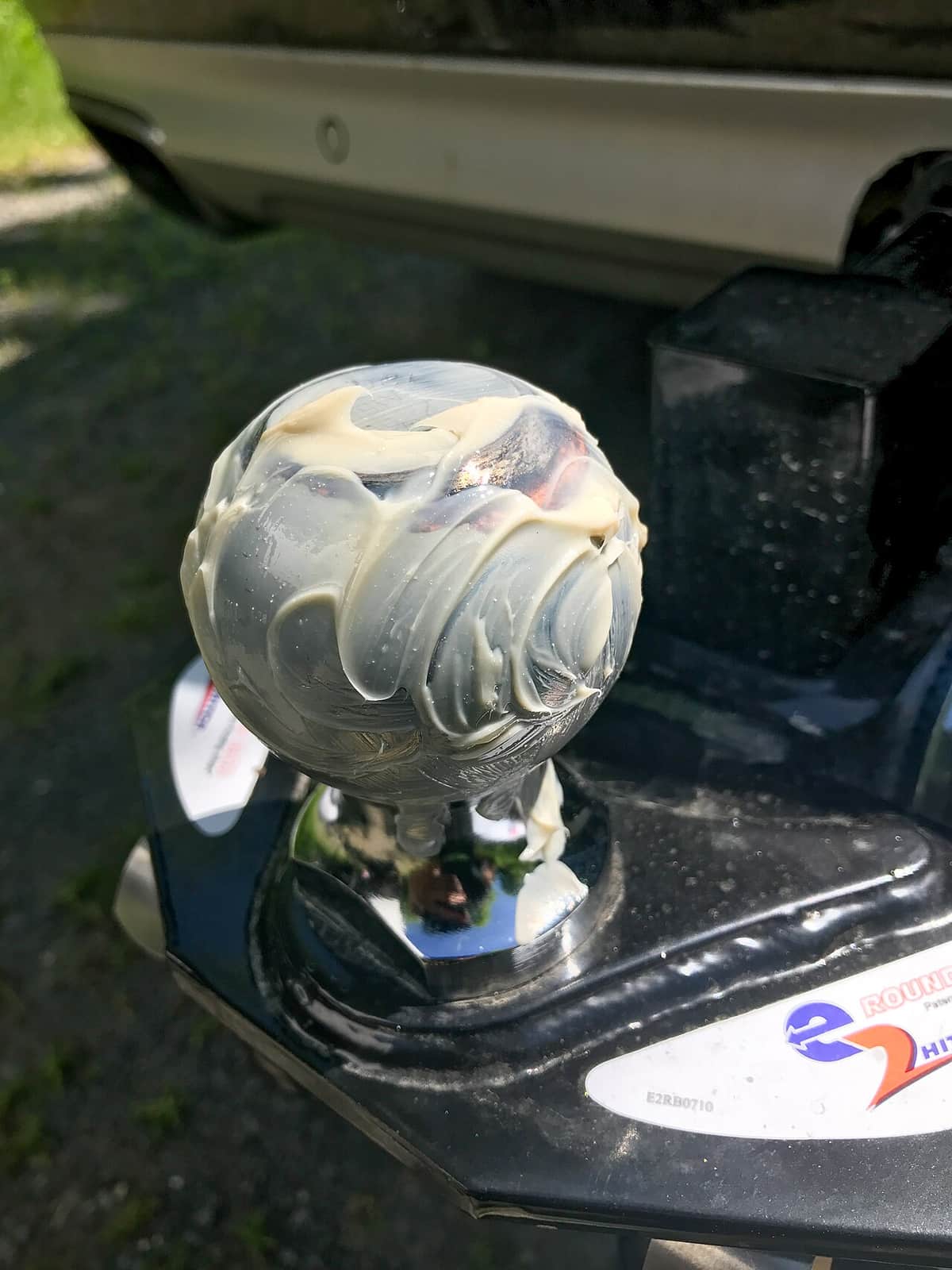
What each part does, how their ratings interact, and the torque step that gets skipped when you buy them separately.
Guide
Drop Hitches for Lifted Trucks
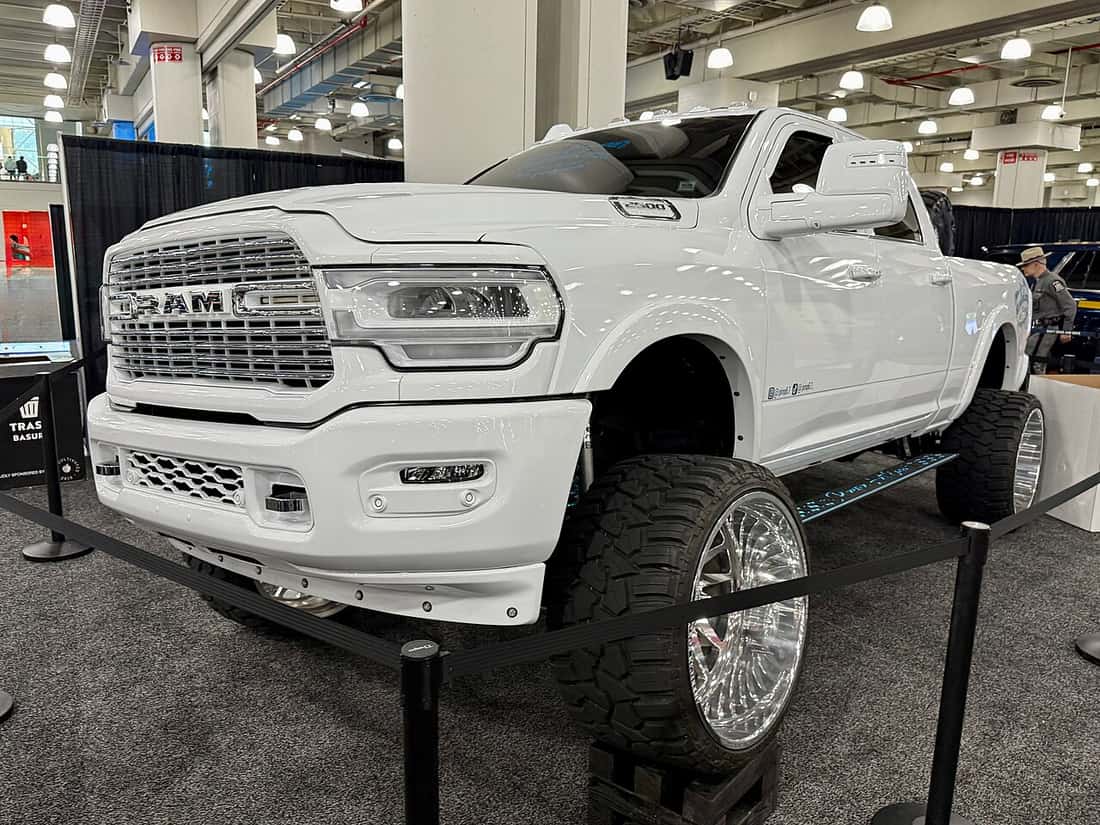
Why a lift creates a towing problem, how to measure the drop you now need, and the extended-drop options available.
Best anti-rattle and lock
Hitch Locks & Anti-Rattle
Anti-rattle pins, receiver locks and coupler locks - what each one actually prevents and where each one fails.
Found something out of date, or a figure you can source better than we did? Corrections get read first. How we research explains how these pages are put together, and contact is one click away.