Towing Capacity, Tongue Weight & Setup
How to Back Up a Trailer
Reversing a trailer is one skill plus one habit: a small input at the bottom of the wheel, and the willingness to pull forward and start again.

Disclosure: we earn a commission if you buy through the Amazon links on this page, at no extra cost to you. Commission never decides a verdict or a ranking position - read our editorial policy and affiliate disclosure.
How we assessed these: A technique guide. The gear below is assessed from each maker's published specifications and is there to make the job easier, not to replace practice.
Short answer
Put your hand at the bottom of the steering wheel and move it the way you want the back of the trailer to go. Make small inputs, go slowly, use both mirrors instead of looking over your shoulder, and pull forward to straighten out the moment the angle gets away from you.
Reversing a trailer is genuinely counter-intuitive the first time, and almost everyone is taught it badly - usually by someone shouting while they do it. The reason it feels backwards is that you are not steering the trailer. You are steering the tow vehicle, which pushes the trailer's tongue sideways, which rotates the trailer. Your input is two steps away from the result, and the delay is what makes people over-correct.
The bottom-of-the-wheel trick, and why it works
Rest your hand at the six o'clock position on the wheel. Now move that hand in the direction you want the back of the trailer to travel. Want the trailer to go right? Move your hand right. That is all of it, and it works because holding the wheel at the bottom reverses the apparent direction of your input in exactly the way the trailer's geometry does.
This is not a gimmick to unlearn later. Experienced drivers keep using it, because it removes the one mental translation that causes over-correction - and over-correction is what turns a routine reverse into a jackknife.
The sequence
Backing a trailer into a space
Set up the approach before you start
Pull forward past the space, then swing out so the trailer is lined up as straight as the site allows. Most reversing problems are approach problems - a straighter start needs fewer corrections.
Get out and look
Walk the space. Note the obstacles behind and beside it, the ground slope, and where the low branches are. Thirty seconds here prevents the expensive version of this maneuver.
Hand to the bottom of the wheel
Six o'clock, one hand. Move it the way you want the trailer's back end to go.
Idle speed, small inputs
Let the vehicle creep. Make a small input, wait for the trailer to respond, then correct. The trailer always lags - inputs made before it responds are what compound.
Work the mirrors, not your shoulder
Flick between both mirrors. The trailer appearing larger in one means it is turning that way. Looking over your shoulder gives you one side and loses the other.
Pull forward to reset
When the angle gets too large or you have lost the plot, drive forward, straighten, and start again. This is the correct move and not a failure - professionals do it constantly.
Chock before you unhitch
Once positioned, chock the trailer wheels before releasing the coupler. On any slope this is the difference between a parked trailer and a moving one.
Reading the mirrors
| What you see | What is happening | What to do |
|---|---|---|
| Trailer growing in the left mirror | The trailer is swinging left | To stop it, move your bottom hand right |
| Trailer disappearing from one mirror | The angle is getting large on that side | Correct early, or pull forward and reset |
| Trailer visible evenly in both mirrors | You are straight | Hold the wheel still and keep creeping |
| Cannot see the trailer's rear corner at all | The mirrors are too short or badly aimed | Fix the mirrors before practicing further |
If the rear corner of the trailer is invisible with the rig straight, that is a mirror problem rather than a skill problem.
That last row matters more than any technique. You cannot place something you cannot see, and the most common reason people struggle to back a trailer is mirrors that are too short or aimed at the trailer's own flank. Aiming towing mirrors properly takes two minutes and makes the rest of this far easier.
Quick picks
Tap any row to jump to the full write-up. How these are chosen - and what we do and do not claim to know - is published in full on our research methodology page.
| # | Product | Best for | Our read | Price |
|---|---|---|---|---|
| 1 |  K Source Universal Clip-On Towing Mirror Most useful single addition | Occasional towing with a wide trailer | You cannot steer what you cannot see | Check price on Amazon #ad Affiliate link - we publish no price; Amazon shows the current one |
| 2 |  Camco Trailer Wheel Chocks Required once you are parked | Every trailer, without exception | Chock before unhitching, every single time | Check price on Amazon #ad Affiliate link - we publish no price; Amazon shows the current one |
| 3 | 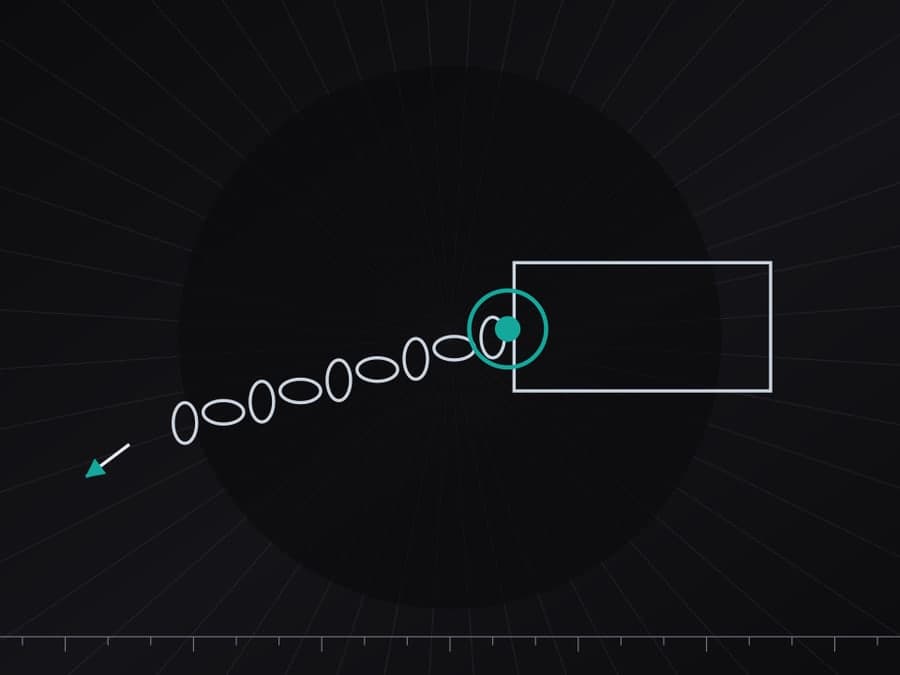 CURT Trailer Jack with Wheel Best for the last few feet | Maneuvering a trailer by hand | Moves a small trailer by hand instead of by truck | Check price on Amazon #ad Affiliate link - we publish no price; Amazon shows the current one |
The gear in detail
1. Most useful single addition
K Source Universal Clip-On Towing Mirror
K Source · Best for occasional towing with a wide trailer
Straps over the existing mirror to extend the view past a wide trailer. The honest limitation of every clip-on is vibration: they work, they are legal where extension is required, and they will never be as steady as a replacement mirror.
We have not sourced a full specification table for this model from the manufacturer’s own site at a stable address. Rather than repeat figures we cannot cite, the assessment above is limited to what the design and the maker’s published description genuinely establish.
What works
- Fits almost any vehicle and transfers between them
- Removable, so the vehicle looks standard the rest of the year
- Far cheaper than replacement mirrors
What does not
- Vibration at highway speed blurs the view, which is worst on rough surfaces
- Straps mark paint and mirror housings if grit gets underneath
Skip it if
Not the one if you tow weekly - the daily on-off routine gets old fast and replacement mirrors stay aligned.
#ad Affiliate link - we publish no price; Amazon shows the current one
Raw specifications: K Source’s own page. We earn nothing on that link.
2. Required once you are parked
Camco Trailer Wheel Chocks
Camco · Best for every trailer, without exception
Chocks go in before you unhitch, every time. They are not an upgrade and they are not interesting; they are the thing standing between a parked trailer and a slow roll down a campground slope.
We have not sourced a full specification table for this model from the manufacturer’s own site at a stable address. Rather than repeat figures we cannot cite, the assessment above is limited to what the design and the maker’s published description genuinely establish.
What works
- Cheap insurance against the most preventable trailer accident there is
- Works on any trailer regardless of brakes or jack type
- Takes seconds and needs no setup
What does not
- Plastic chocks degrade in sun over several seasons
- Easy to leave behind at a site
Skip it if
There is no situation where you should skip chocks - if these do not suit your tire size, buy different ones rather than none.
#ad Affiliate link - we publish no price; Amazon shows the current one
3. Best for the last few feet
CURT Trailer Jack with Wheel
CURT · Best for maneuvering a trailer by hand
A tongue jack with a caster wheel, for moving a trailer around a driveway by hand and for lifting the coupler onto the ball. Capacity matters more than people expect: the jack carries the full tongue weight, not a fraction of it.
We have not sourced a full specification table for this model from the manufacturer’s own site at a stable address. Rather than repeat figures we cannot cite, the assessment above is limited to what the design and the maker’s published description genuinely establish.
What works
- Caster wheel means the trailer can be repositioned without the truck
- Lifts the coupler to ball height without a second person
- Standard A-frame mounting on most utility and camper tongues
What does not
- Rated capacity must exceed your actual tongue weight, and often does not
- The caster wheel is useless on soft ground
Skip it if
Not the right jack for a heavy fifth wheel or a tongue weight above its rating - check your measured tongue weight against the jack's number first.
#ad Affiliate link - we publish no price; Amazon shows the current one
Raw specifications: CURT’s own page. We earn nothing on that link.
Why short trailers are harder than long ones
A long trailer responds slowly and forgivingly: a given steering input takes time to build an angle, so you have time to notice and correct. A short trailer - a small utility trailer, a jet ski trailer, a boat trailer with a short tongue - rotates fast. The same input that gently turns a travel trailer will put a short trailer at a sharp angle before you have looked at the second mirror.
So if you are learning, do not assume the small trailer is the easy one. Practice with whatever you actually own, make the inputs smaller than feels useful, and pull forward often. For a short trailer in a tight site, unhitching and moving it by hand with a jack wheel is frequently faster than any amount of maneuvering.
How to practice so it actually sticks
- Find an empty lot on a quiet morning. Four cones, or four cheap buckets, mark out a space a few feet wider than the trailer.
- Start by reversing in a straight line for a hundred feet. Just that. It teaches you how small a correction the trailer needs.
- Then back into the space from a straight approach, then from a 45-degree approach on each side.
- Then do it using only mirrors, with no looking over your shoulder. This is the one that transfers to a real site at night.
- Finally, practice the pull-forward reset deliberately - get the angle wrong on purpose and recover it.
An hour of this is worth a season of learning the hard way in front of an audience at a campground. If you are newer still, the first-time towing guide covers the rest of the routine, and hooking up correctly is the step that comes before all of it.
Key takeaways
- Hand at the bottom of the wheel, moved the way you want the trailer to go.
- Small inputs at idle speed - the trailer always lags your steering.
- Both mirrors, not your shoulder.
- Pulling forward to straighten is the correct move, not a failure.
- Short trailers rotate faster and are harder, not easier.
- Chock the wheels before you unhitch.
How we sourced this
Every figure on this page came from one of the following, each fetched while the page was written. Where a manufacturer or regulator does not publish a number, we say so rather than estimate it.
Common questions
- Why does a trailer go the wrong way when I reverse?
- Because you are steering the tow vehicle, which pushes the trailer's tongue sideways and rotates the trailer the opposite way. Holding the wheel at the bottom and moving your hand toward where you want the trailer to go cancels out that reversal.
- Should I use mirrors or look over my shoulder?
- Mirrors. Looking over your shoulder gives you one side of the trailer and loses the other, and it does not work at all with a tall or enclosed trailer. Set the mirrors up properly first, then practice using only them.
- Is it easier to back up a long or a short trailer?
- Long. A long trailer builds angle slowly and gives you time to correct, while a short trailer rotates quickly and punishes large inputs. Beginners often assume the opposite.
- Do I need to disconnect my sway bar to back up?
- With an add-on friction sway bar, usually yes, and with some dual-cam systems too - then re-connect it before driving away. Most hitches with integrated sway control reverse normally.
More in Towing Capacity, Tongue Weight & Setup
The number in the brochure is not the number that limits you. The one that does is on a sticker inside your driver's door.
Read next
Guide
First Time Towing
What genuinely changes behind the wheel with a trailer attached, plus the pre-departure checks that prevent most first-trip problems.
How to
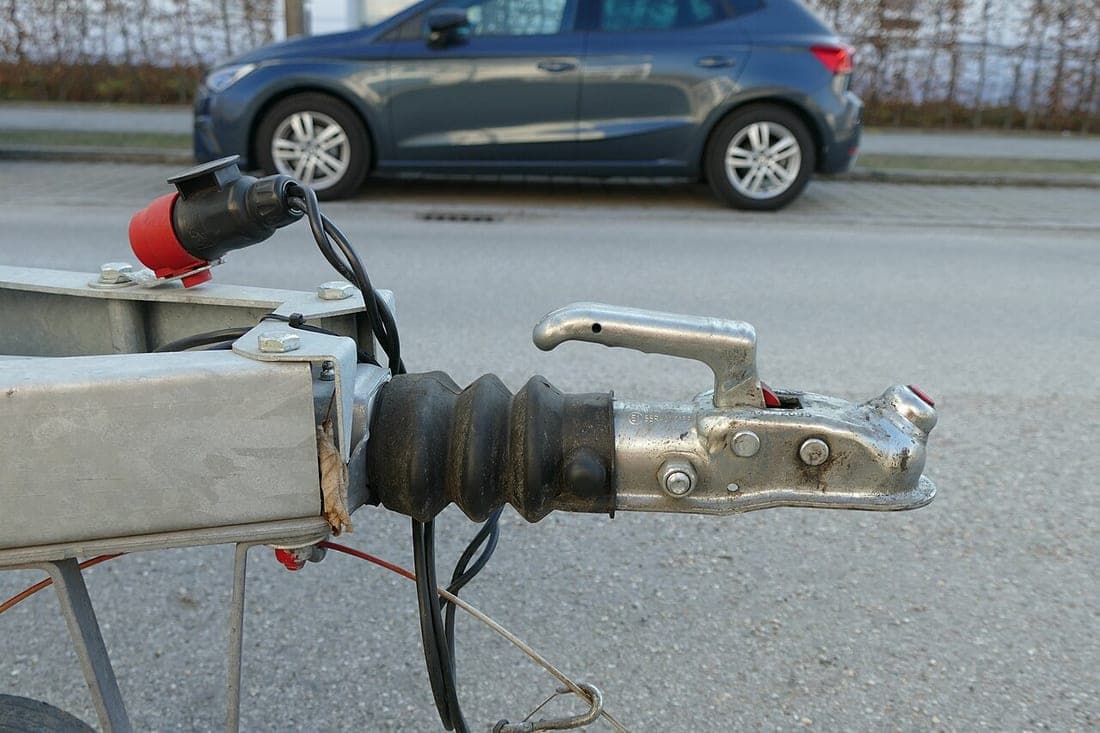
How to Hook Up a Trailer
The full hitching sequence, why chains cross, where the breakaway cable goes, and what to check before you move.
Guide
Adjusting Towing Mirrors
The order to aim towing mirrors in, how much trailer should be in the glass, and how to use the convex section properly.

Guide
Backing Up With a WD Hitch
Which weight distribution designs back up as-is, which need releasing first, and the habits that stop you bending hardware in a campground.
Found something out of date, or a figure you can source better than we did? Corrections get read first. How we research explains how these pages are put together, and contact is one click away.