Towing Capacity, Tongue Weight & Setup
Safety Chains and Breakaway Cables
Two systems for the same failure. Both are simple, both get set up wrong, and one has a battery nobody tests.
Disclosure: we earn a commission if you buy through the Amazon links on this page, at no extra cost to you. Commission never decides a verdict or a ranking position - read our editorial policy and affiliate disclosure.
Short answer
Chains must be rated at or above the trailer's gross weight, attached at two points as far apart as the frame allows, and crossed under the coupler. The breakaway cable attaches to the vehicle - never to the chains - and its battery must be load-tested periodically.
Chains: rating, arrangement, length
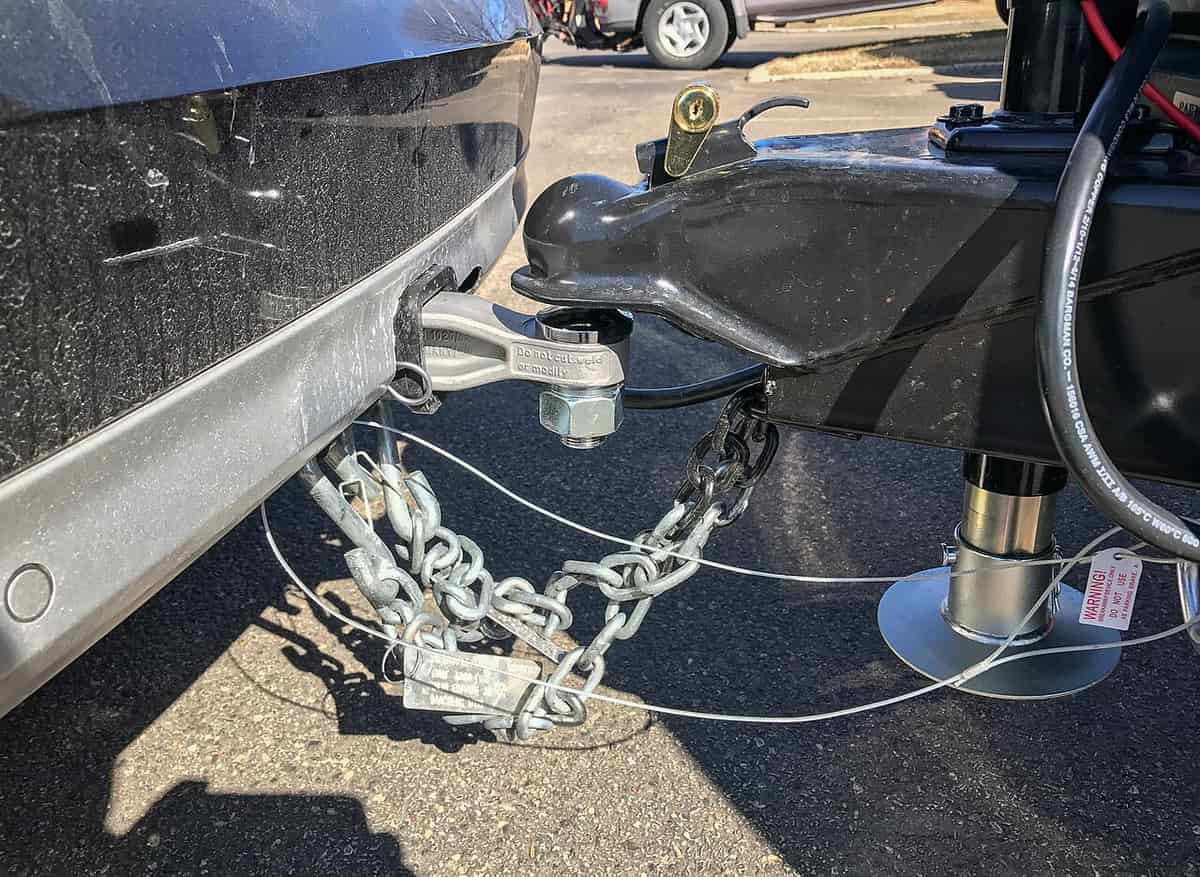
Three things decide whether chains do their job. The rating has to meet or exceed the trailer's gross weight - hardware-store chain of unknown grade is not a substitute. The arrangement has to be two chains or cables, or a bridle from a single chain attached at two widely separated points, so the tongue cannot drop to the ground. And the length has to allow full-lock turns without binding while never touching the road.
Federal rules for commercial towing set out that arrangement explicitly in 49 CFR 393.70, including the requirement that the safety device be connected so as to prevent the tow-bar from dropping to the ground if it fails or becomes disconnected. The regulation covers commercial operations; the reasoning applies to any trailer.
Why crossing matters
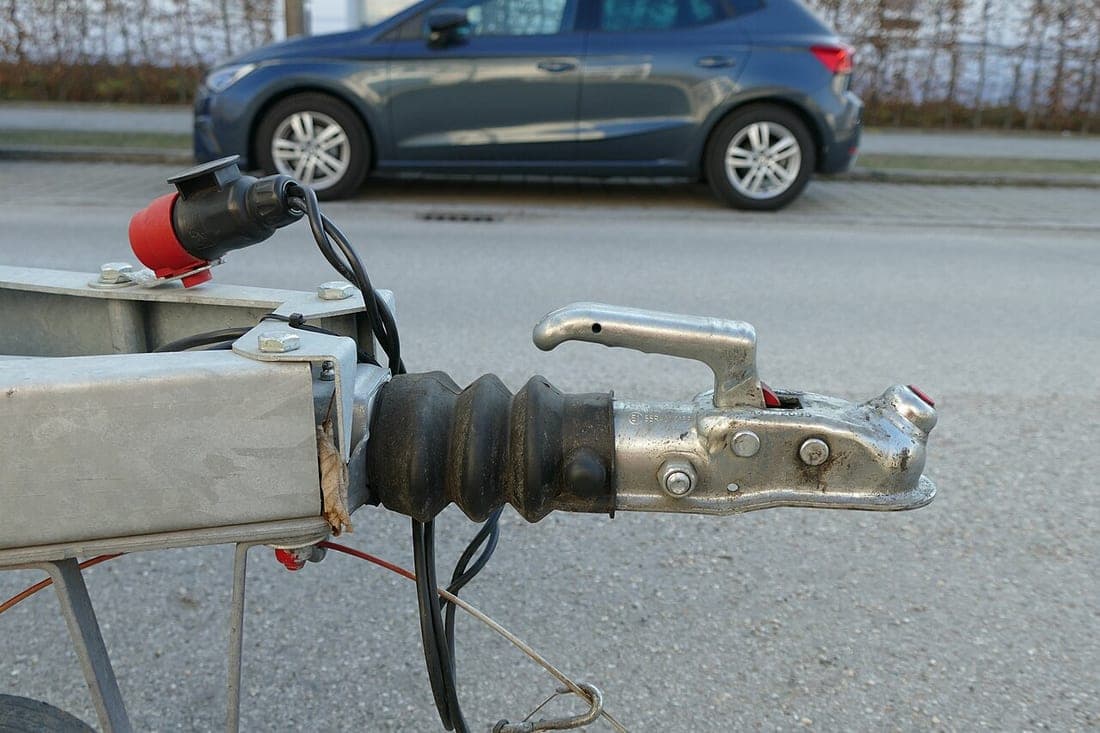
Crossed under the coupler, the chains form a cradle. A coupler that leaves the ball lands in that cradle instead of hitting the pavement, digging in and levering the trailer sideways. Chains run straight back without crossing provide a tether but no cradle, which is a meaningfully worse outcome in the exact event they exist for.
The breakaway system
On a trailer with electric brakes, a breakaway switch applies the brakes at full output if the trailer separates from the tow vehicle. A pin on a cable is held in the switch; the cable attaches to the vehicle; separation pulls the pin and closes the circuit from a small onboard battery to the brake magnets.
The battery nobody tests
The breakaway battery sits in a box on the tongue, charged from the 7-way's 12V line, degrading quietly. A battery that reads a healthy voltage with nothing connected can still collapse under the load of several brake magnets. The only meaningful check is a load test, or simply pulling the pin with the trailer chocked and confirming the brakes lock.
Test it at the start of each season. It is the single most-neglected item in this whole subject, and it is the one that only matters once.
Quick picks
Tap any row to jump to the full write-up. How these are chosen - and what we do and do not claim to know - is published in full on our research methodology page.
| # | Product | Best for | Our read | Price |
|---|---|---|---|---|
| 1 | 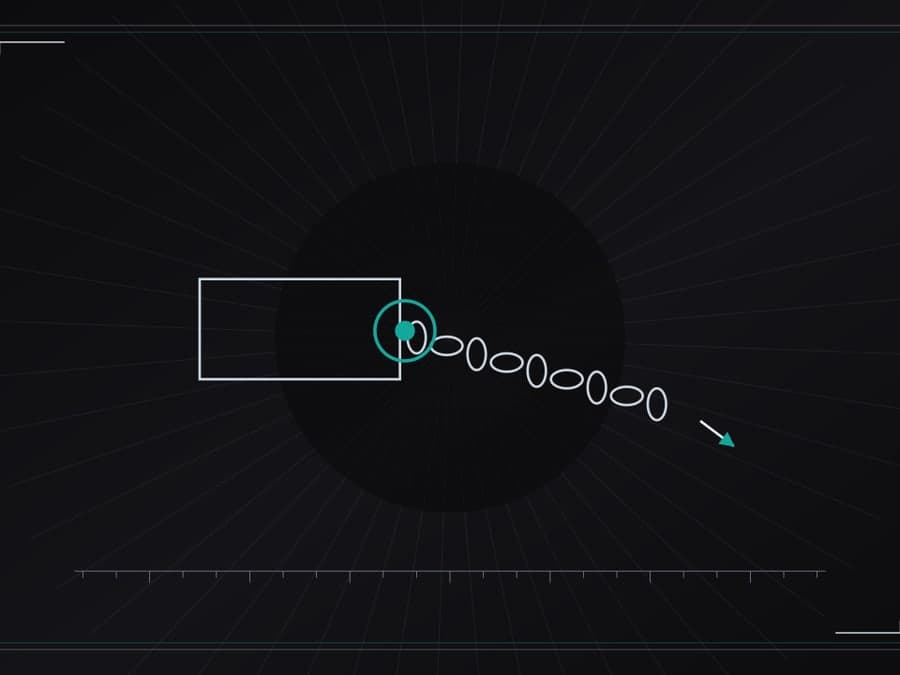 CURT Safety Chain Assembly with Hooks Rated replacement chains | Replacing worn or unrated chains | Rating must meet trailer gross weight | Check price on Amazon #ad Affiliate link - we publish no price; Amazon shows the current one |
| 2 | 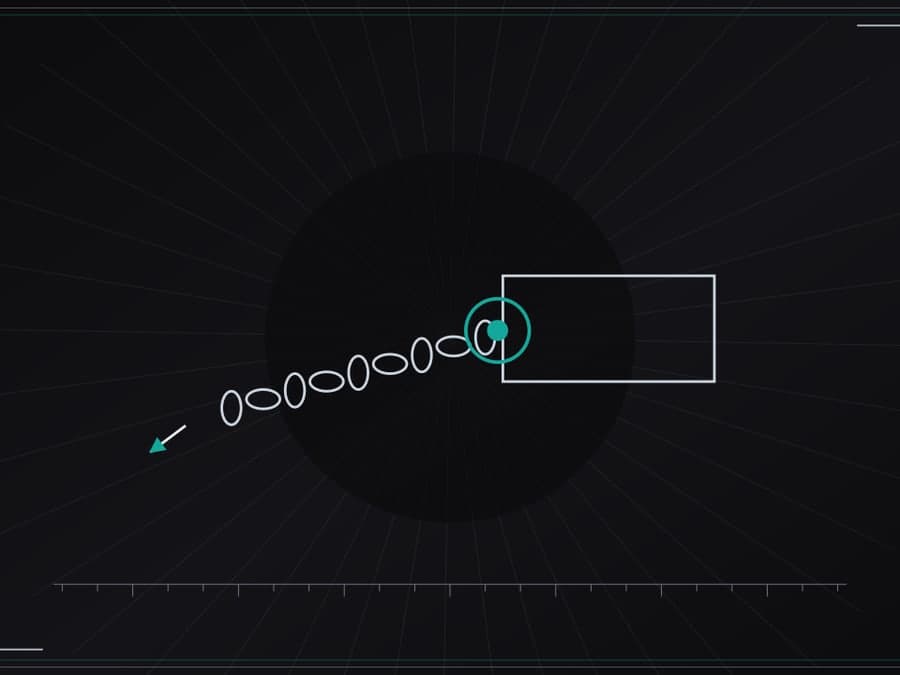 CURT Trailer Breakaway Kit with Battery Complete breakaway kit | Braked trailers, where required | Switch, battery and charger matched | Check price on Amazon #ad Affiliate link - we publish no price; Amazon shows the current one |
| 3 |  Camco Trailer Wheel Chocks The third safety item | Every trailer, without exception | The one used most often | Check price on Amazon #ad Affiliate link - we publish no price; Amazon shows the current one |
1. Rated replacement chains
CURT Safety Chain Assembly with Hooks
CURT · Best for replacing worn or unrated chains
Replacement safety chains with rated hooks. Two things decide whether chains do their job: the rating has to meet or exceed the trailer's gross weight, and they have to be crossed under the coupler so they cradle it if the ball lets go.
We have not sourced a full specification table for this model from the manufacturer’s own site at a stable address. Rather than repeat figures we cannot cite, the assessment above is limited to what the design and the maker’s published description genuinely establish.
What works
- Rated assemblies, rather than hardware-store chain of unknown grade
- Hooks sized to engage a receiver loop properly
- Cheap relative to what they are insuring against
What does not
- Length must be right - too long drags, too short binds in turns
- Hooks without latches can bounce off on rough surfaces
Skip it if
Do not buy a set rated below your trailer's gross weight to save money - that is the one specification on the whole part that matters.
#ad Affiliate link - we publish no price; Amazon shows the current one
Raw specifications: CURT’s own page. We earn nothing on that link.
2. Complete breakaway kit
CURT Trailer Breakaway Kit with Battery
CURT · Best for braked trailers, where required
The switch and battery that apply the trailer's electric brakes if the trailer separates from the tow vehicle. Most states require it on braked trailers above a weight threshold, and the battery is the part everyone forgets to test.
We have not sourced a full specification table for this model from the manufacturer’s own site at a stable address. Rather than repeat figures we cannot cite, the assessment above is limited to what the design and the maker’s published description genuinely establish.
What works
- Applies the trailer brakes automatically in a separation
- Sold as a complete kit, so the battery and charger match the switch
- Addresses a legal requirement in most states for braked trailers
What does not
- The battery degrades silently and needs periodic load testing
- Cable must be attached to the vehicle, not to the safety chains
Skip it if
Not applicable to a trailer with no electric brakes - check what your trailer actually has before buying.
#ad Affiliate link - we publish no price; Amazon shows the current one
Raw specifications: CURT’s own page. We earn nothing on that link.
3. The third safety item
Camco Trailer Wheel Chocks
Camco · Best for every trailer, without exception
Chocks go in before you unhitch, every time. They are not an upgrade and they are not interesting; they are the thing standing between a parked trailer and a slow roll down a campground slope.
We have not sourced a full specification table for this model from the manufacturer’s own site at a stable address. Rather than repeat figures we cannot cite, the assessment above is limited to what the design and the maker’s published description genuinely establish.
What works
- Cheap insurance against the most preventable trailer accident there is
- Works on any trailer regardless of brakes or jack type
- Takes seconds and needs no setup
What does not
- Plastic chocks degrade in sun over several seasons
- Easy to leave behind at a site
Skip it if
There is no situation where you should skip chocks - if these do not suit your tire size, buy different ones rather than none.
#ad Affiliate link - we publish no price; Amazon shows the current one
Key takeaways
- Chain rating must meet the trailer's gross weight - grade matters, not just thickness.
- Cross the chains under the coupler so they cradle it.
- The breakaway cable attaches to the vehicle, never to the chains.
- Load-test the breakaway battery each season; voltage alone proves nothing.
How we sourced this
Every figure on this page came from one of the following, each fetched while the page was written. Where a manufacturer or regulator does not publish a number, we say so rather than estimate it.
Common questions
- Can I use any chain from the hardware store?
- No. Safety chains are rated assemblies and the rating is the whole point. Unrated chain of the same apparent size can have a fraction of the strength.
- How long should the chains be?
- Long enough to permit full-lock turns without binding, short enough never to touch the road. Crossed under the coupler, which also takes up some length.
- Do I need a breakaway switch?
- Most states require one on trailers with brakes above a weight threshold. If your trailer has electric brakes, it almost certainly needs one - check your own state's rule.
- How do I test the breakaway battery?
- With the trailer chocked and the tow vehicle disconnected, pull the pin and confirm the brakes lock firmly. Voltage alone does not prove the battery can carry the load.
More in Towing Capacity, Tongue Weight & Setup
The number in the brochure is not the number that limits you. The one that does is on a sticker inside your driver's door.
Read next
How to
How to Hook Up a Trailer
The full hitching sequence, why chains cross, where the breakaway cable goes, and what to check before you move.
Guide
Do I Need a Brake Controller?
A decision path covering unbraked, surge-brake and electric-brake trailers, plus what to check on your tow vehicle first.

Guide
First Time Towing
What genuinely changes behind the wheel with a trailer attached, plus the pre-departure checks that prevent most first-trip problems.
Troubleshooting
Trailer Brakes Not Working
An ordered diagnostic sequence for electric trailer brakes, from the connector outward, with the checks that need no tools.
Found something out of date, or a figure you can source better than we did? Corrections get read first. How we research explains how these pages are put together, and contact is one click away.