Weight Distribution Hitches
Do I Need a Weight Distribution Hitch for a Ram 2500?
On a heavy-duty truck the question stops being about capacity and starts being about sway. Those are different problems with different answers.
Disclosure: we earn a commission if you buy through the Amazon links on this page, at no extra cost to you. Commission never decides a verdict or a ranking position - read our editorial policy and affiliate disclosure.
Short answer
On a three-quarter-ton truck like a Ram 2500 you usually do not need a weight distribution hitch for capacity reasons - the receiver's weight-carrying rating generally covers the tongue weight outright. You may still want one for sway control, and the owner manual can require one above a stated trailer weight.
This question gets answered badly because two different problems are hiding inside it. One is a capacity problem: is the tongue weight more than the hitch and the rear axle can carry? The other is a stability problem: does the trailer push the truck around? A heavy-duty truck mostly solves the first and does comparatively little about the second.
Why capacity is rarely the issue here
A three-quarter-ton truck is built around a heavier rear axle, heavier springs and a receiver rated accordingly. Where a half-ton receiver often carries a weight-carrying limit that a big travel trailer exceeds, the heavy-duty equivalent usually has headroom to spare. That is the entire reason half-ton owners end up needing load transfer so much more often.
The three checks, in order
- Measure the loaded tongue weight. Not the brochure figure, not a percentage of the gross - the actual load on the ball with the trailer loaded the way you tow it. Three methods work at home.
- Compare it with the receiver's weight-carrying rating. If the measured figure is comfortably under, the truck is carrying it legitimately without a weight distribution hitch.
- Read the towing section of the owner manual. Some manufacturers require a weight distribution hitch above a stated trailer weight even on heavy-duty trucks. A stated requirement is not a recommendation.
If all three checks pass, a weight distribution hitch is a stability upgrade rather than a necessity. That is a legitimate thing to buy - it is just a different purchase decision, made for a different reason.
When a 2500 still wants one
- The trailer is long and tall. Sway is produced by sail area and lever length, not by whether the truck can carry the tongue. A long travel trailer behind a heavy-duty truck still gets pushed by passing trucks.
- The truck squats visibly when hitched. Even with capacity in hand, a nose-down trailer and a tail-down truck change the steering feel and the headlight aim. Load transfer addresses exactly that.
- You want the receiver's higher rating. The weight-distributing figure on the receiver only applies when a weight distribution hitch is actually fitted. If you are near the carrying limit, fitting one unlocks the bigger number.
- The manual requires it. Repeating this because it is the one people skip.
When sway control alone is the better buy
If the truck sits level hitched and the only complaint is that the trailer wanders, you have a yaw problem and not a load problem. A friction sway control bar damps yaw directly and costs a fraction of a full weight distribution system. The distinction between the two is the single most useful thing to understand in this category.
And if the trailer is heavy enough that you are weighing a fifth wheel against a conventional hitch, that is a different conversation again - the gooseneck and fifth wheel comparison covers where a heavy-duty truck stops being a conventional tow vehicle at all.
Key takeaways
- A three-quarter-ton receiver usually carries the tongue weight without help.
- Capacity and sway are separate problems with separate answers.
- Measure the loaded tongue weight before deciding anything.
- The owner manual can require a hitch regardless of the arithmetic.
- If the truck sits level and the trailer only wanders, buy sway control.
How we sourced this
Every figure on this page came from one of the following, each fetched while the page was written. Where a manufacturer or regulator does not publish a number, we say so rather than estimate it.
- 49 CFR 567.4 - certification label content, including Gross Vehicle Weight Rating and Gross Axle Weight Rating
- 49 CFR 571.110 (FMVSS 110) - vehicle placard, including the required "combined weight of occupants and cargo" statement
- Sherline Products - manufacturer site
- CURT sway control kit - published specifications (part 17200)
- SAE J2807 - Performance Requirements for Determining Tow-Vehicle Gross Combination Weight Rating and Trailer Weight Rating
Common questions
- Does a Ram 2500 need a weight distribution hitch for a travel trailer?
- Not usually for capacity, because the receiver's weight-carrying rating generally covers the tongue weight. It often still helps with sway on a long trailer, and the owner manual may require one above a stated trailer weight - read it before deciding.
- Will a weight distribution hitch raise my Ram 2500's tow rating?
- No. It can unlock the higher weight-distributing rating printed on the receiver itself, but the vehicle's tow rating, payload and axle ratings are set by the manufacturer and no hitch changes them.
- My 2500 does not squat. Can I skip the hitch entirely?
- If your measured tongue weight is inside the receiver's weight-carrying rating, the truck sits level, and the manual sets no requirement, then yes. Add sway control separately if the trailer wanders in wind or when trucks pass.
- Is sway control the same as a weight distribution hitch?
- No. Sway control resists or damps side-to-side yaw. Weight distribution transfers tongue load forward onto the tow vehicle's front axle and back onto the trailer axles. Many hitches do both, but they solve different problems and you can need one without the other.
More in Weight Distribution Hitches
A weight distribution hitch moves load off the back of your truck. Whether you need one is a number, not an opinion - and the number is on your door jamb.
Read next

Head to head
Weight Distribution vs Sway Control
The clearest distinction in towing, explained by symptom: squatting truck versus wandering trailer, and what to do when it is both.
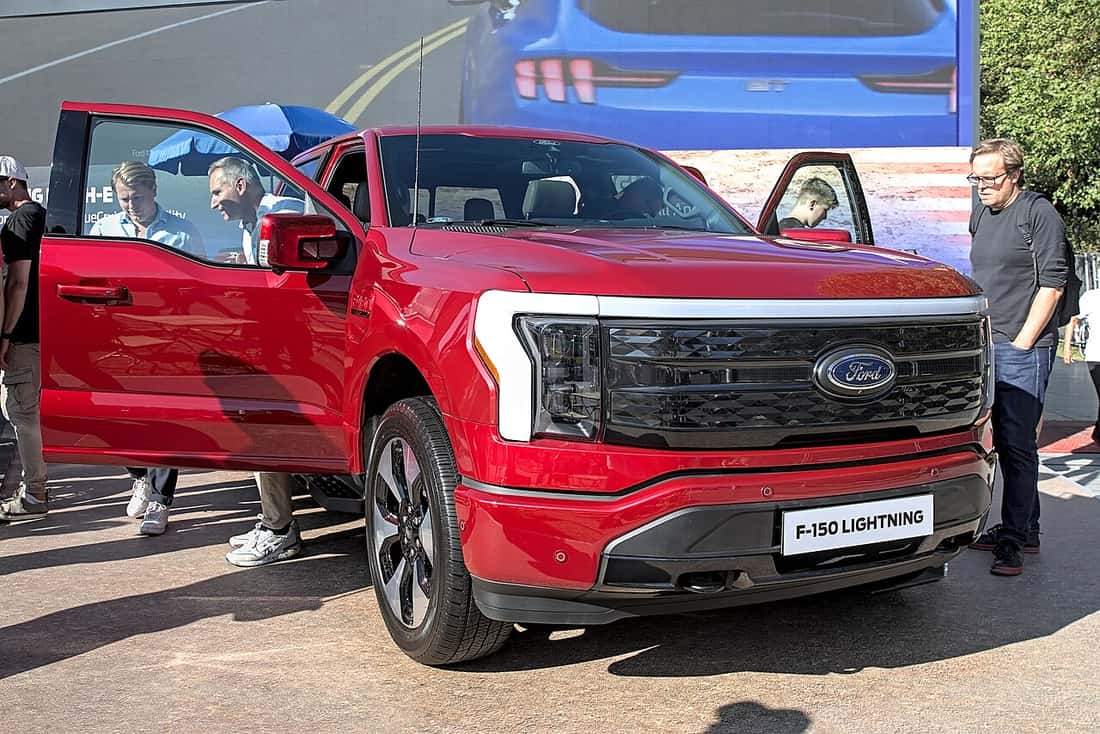
Best for half-ton trucks
Best WD Hitches for Half-Tons
Hitch picks matched to the tongue weights a half-ton can carry, with the payload arithmetic that decides the answer.
Troubleshooting
Truck Sags When Towing
What rear squat actually indicates, why it affects steering and braking, and which of the three common fixes addresses the real problem.

How to
Measuring Tongue Weight
Three methods for measuring tongue weight, what each one requires, and how to interpret the result against the 10-15 percent band.
Guide
Do I Need a WD Hitch?
The three-check test that answers the question definitively, plus the cases where the answer is a clear no.
Found something out of date, or a figure you can source better than we did? Corrections get read first. How we research explains how these pages are put together, and contact is one click away.