Wiring, Lights & Towing Mirrors
The Best Towing Mirrors for a Ram 2500
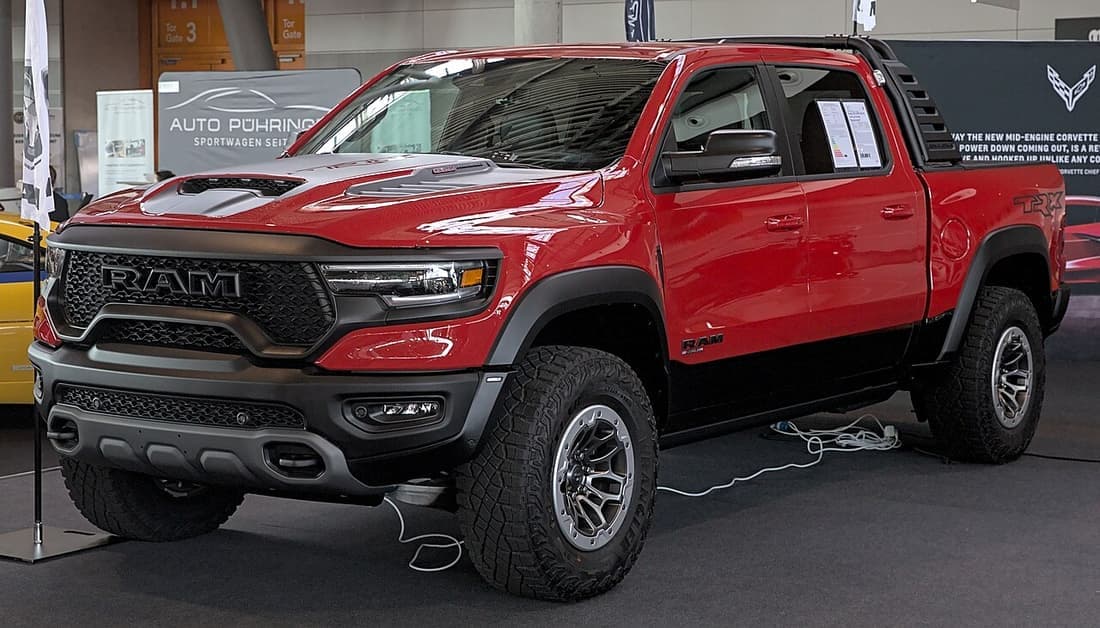
Three-quarter-ton trucks start from a wide mirror span, which changes the problem from reach to what you can see in the last few feet.
Disclosure: we earn a commission if you buy through the Amazon links on this page, at no extra cost to you. Commission never decides a verdict or a ranking position - read our editorial policy and affiliate disclosure.
How we assessed these: Replacement mirrors are vehicle-specific and this site publishes no fitment data - confirm fitment against the manufacturer's own guide for your year, cab and trim. What is assessed below is the three mirror types and their published specifications.
Short answer
Measure before you buy anything. A Ram 2500 starts from a wide mirror-to-mirror span, so many trailers need no extension at all and a clip-on with a convex spot section closes the remaining gap. Buy a universal extension only if the trailer is genuinely wider than your mirrors, and a replacement mirror only if you tow most weekends.
This is the opposite problem to a mid-size truck. Heavy-duty pickups are built to tow, their mirrors already sit a long way outboard, and many trims come with large tow mirrors from the factory. The common mistake on a 2500 is buying extension nobody needs - large add-on mirrors that vibrate, catch in car parks and give a worse image than the factory glass they are clamped over.
Do the measurement before you shop
Measure outer glass edge to outer glass edge across the truck. Then measure the trailer at its widest point, including anything strapped to the outside, the fender flares and an RV's awning rail. Subtract the truck from the trailer and halve the result: that is roughly how much extension each side needs to see past the trailer rather than at it.
If the number is zero or negative, your factory mirrors already clear the trailer and the useful upgrade is glass, not reach - a convex spot section covering the wedge beside the trailer's rear wheels. If the number is a couple of inches, a modest clip-on is the answer. Only a genuinely wide trailer behind a 2500 calls for a large extension mirror.
| What you measured | What to fit | Why |
|---|---|---|
| Trailer no wider than the mirrors | Nothing, or a convex spot add-on | You already see the lane; the gap is the blind wedge, not reach |
| A couple of inches per side | A low-profile clip-on | Small extension, minimal vibration, quick to remove |
| Noticeably wider trailer | A universal extension mirror | Real reach, and the clamp quality starts to matter |
| Towing most weekends | A custom-fit replacement, if listed | Nothing to fit and remove each trip, factory-quality mounting |
Illustrative of the relationship, not a fitment table. Mirror spans differ by cab, trim and mirror option, so measure the truck you actually own.
What to look for on a 2500
- Clamp fit over a large housing. Heavy-duty factory mirrors are big. A clip-on designed around a mid-size housing may not have the jaw range, so check the stated clamp range rather than trusting the word universal.
- Vibration at speed. The longer the arm and the bigger the glass, the more a mirror shakes. On a truck that already has reach, taking less extension is the cheapest way to keep the image steady.
- Convex spot glass. The most useful addition on a wide truck is not more reach but a small convex section showing the lane immediately beside the trailer's rear wheels.
- Whether your trim already has tow mirrors. Some 2500 trims ship with extendable or larger mirrors, in which case the honest recommendation is to add nothing. Look before you buy.
- Heated or powered glass on a replacement. A custom replacement has to match the connector and the features your truck expects, which is a fitment question, not a preference.
Quick picks
Tap any row to jump to the full write-up. How these are chosen - and what we do and do not claim to know - is published in full on our research methodology page.
| # | Product | Best for | Our read | Price |
|---|---|---|---|---|
| 1 |  K Source Universal Clip-On Towing Mirror Best overall | Occasional towing with a wide trailer | Adds reach to a wide truck without a replacement | Check price on Amazon #ad Affiliate link - we publish no price; Amazon shows the current one |
| 2 |  CIPA Clip-On Towing Mirror Best low-profile option | Trailers barely wider than the truck | Minimal addition where the gap is small | Check price on Amazon #ad Affiliate link - we publish no price; Amazon shows the current one |
| 3 |  K Source Fit System Custom-Fit Towing Mirror Best permanent fit | Towing most weekends | Custom replacement where one is listed for your truck | Check price on Amazon #ad Affiliate link - we publish no price; Amazon shows the current one |
The picks in detail
1. Best overall
K Source Universal Clip-On Towing Mirror
K Source · Best for occasional towing with a wide trailer
Straps over the existing mirror to extend the view past a wide trailer. The honest limitation of every clip-on is vibration: they work, they are legal where extension is required, and they will never be as steady as a replacement mirror.
We have not sourced a full specification table for this model from the manufacturer’s own site at a stable address. Rather than repeat figures we cannot cite, the assessment above is limited to what the design and the maker’s published description genuinely establish.
What works
- Fits almost any vehicle and transfers between them
- Removable, so the vehicle looks standard the rest of the year
- Far cheaper than replacement mirrors
What does not
- Vibration at highway speed blurs the view, which is worst on rough surfaces
- Straps mark paint and mirror housings if grit gets underneath
Skip it if
Not the one if you tow weekly - the daily on-off routine gets old fast and replacement mirrors stay aligned.
#ad Affiliate link - we publish no price; Amazon shows the current one
Raw specifications: K Source’s own page. We earn nothing on that link.
2. Best low-profile option
CIPA Clip-On Towing Mirror
CIPA · Best for trailers barely wider than the truck
A slimmer clip-on aimed at vehicles whose factory mirrors are already fairly large. It adds less width than a full extension mirror, which is the right trade when the trailer is only slightly wider than the tow vehicle.
We have not sourced a full specification table for this model from the manufacturer’s own site at a stable address. Rather than repeat figures we cannot cite, the assessment above is limited to what the design and the maker’s published description genuinely establish.
What works
- Adds the width you need without a cartoonishly large mirror
- Quick to fit and remove
- Works on a wide range of mirror housings
What does not
- Limited extension, so a genuinely wide trailer still blocks the view
- Clip-on vibration applies here too
Skip it if
Not enough mirror for a wide fifth wheel or a car hauler - buy the extension you actually need rather than the one that looks tidier.
#ad Affiliate link - we publish no price; Amazon shows the current one
3. Best permanent fit
K Source Fit System Custom-Fit Towing Mirror
K Source · Best for towing most weekends
A direct replacement mirror built for one vehicle family, usually with a telescoping or extendable head. It stays aligned trip after trip, which is the whole reason to spend more than a clip-on costs.
We have not sourced a full specification table for this model from the manufacturer’s own site at a stable address. Rather than repeat figures we cannot cite, the assessment above is limited to what the design and the maker’s published description genuinely establish.
What works
- Stays put and stays aimed - no realignment every trip
- No vibration penalty from strapped-on hardware
- Often retains factory features like heat and signals, depending on the part
What does not
- Vehicle-specific, so the part has to match year and model exactly
- Permanent change to how the truck looks
Skip it if
Not worth it if you tow twice a year - the extra cost buys convenience you will barely use.
#ad Affiliate link - we publish no price; Amazon shows the current one
Raw specifications: K Source’s own page. We earn nothing on that link.
The seat test is the only test that settles it
Hitch the trailer, sit in the driving position with your hands on the wheel, and look. You should be able to see the lane beside the trailer's rear wheels without leaning. If you cannot, the mirror is either too short or aimed wrong - and aim is the more common fault on a heavy-duty truck, because the mirrors are big enough that a small angle error hides a lot.
Aiming is a two-minute job that most owners never do properly. How to adjust towing mirrors walks through the split between the trailer's flank and the lane beside it, which is what makes a mirror useful when you are changing lanes.
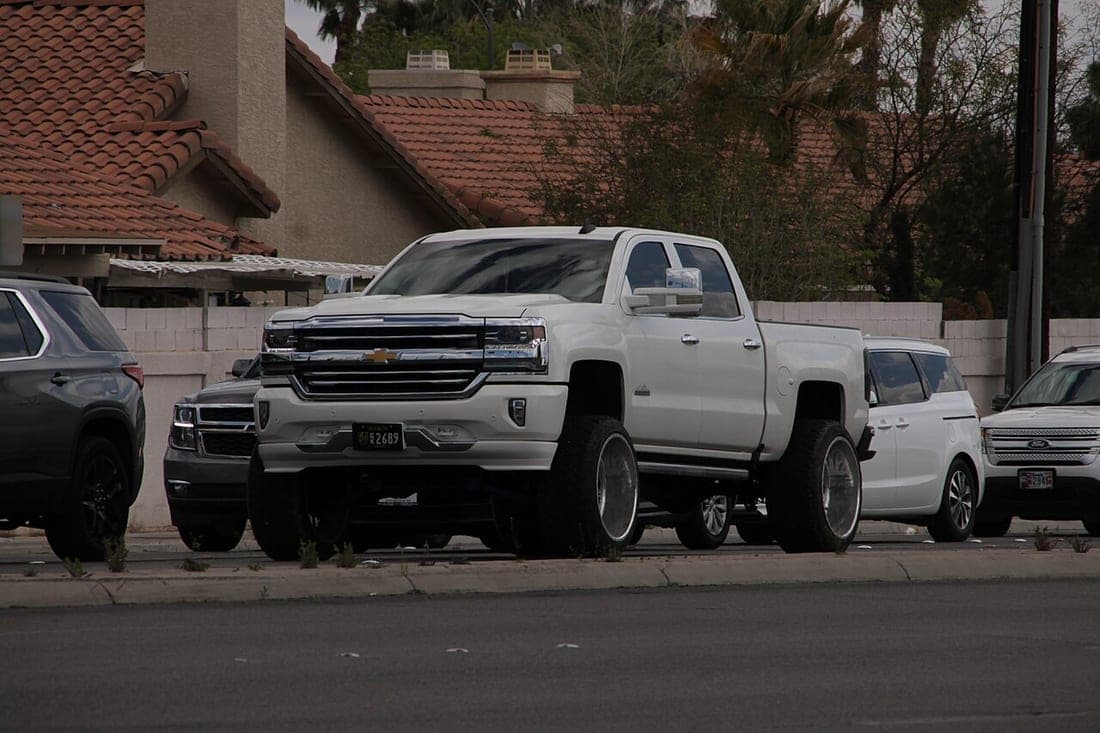
If you also tow behind a half-ton, the measurement comes out differently on that truck - the Ram 1500 picks cover that case, and the clip-on against replacement comparison covers the two routes in general.
Key takeaways
- A 2500 starts wide, so measure before buying extension you do not need.
- If the trailer is no wider than your mirrors, add glass, not reach.
- Longer arms and bigger glass vibrate more - take the least you need.
- Check whether your trim already has factory tow mirrors.
- Aim is more often the problem than size on a heavy-duty truck.
How we sourced this
Every figure on this page came from one of the following, each fetched while the page was written. Where a manufacturer or regulator does not publish a number, we say so rather than estimate it.
Common questions
- Do I need towing mirrors on a Ram 2500?
- Only if the trailer is wider than your mirror-to-mirror measurement. Heavy-duty trucks start from a wide span, so many trailers need nothing added. Measure the truck and the trailer rather than assuming.
- Will clip-on mirrors fit factory tow mirrors?
- Sometimes. Factory heavy-duty housings are large and not every clip-on has the jaw range to grip them. Check the stated clamp range against your own housing depth before ordering.
- Are extendable factory mirrors enough for a travel trailer?
- Often yes on a 2500, because the extended position adds real width. Do the seat test with the trailer hitched - if you can see the lane beside its rear wheels, you are done.
- What is the convex section on a towing mirror for?
- It covers the wedge of road immediately beside and behind the trailer, which the flat glass cannot show. On a wide truck that wedge is the actual blind spot, which is why a convex add-on is often more useful than more reach.
More in Wiring, Lights & Towing Mirrors
Nearly every trailer electrical fault is corrosion or a bad ground. Knowing which wire does what turns a roadside mystery into a five-minute check.
Read next
Best towing mirrors
Best Towing Mirrors
Clip-on versus replacement mirrors, with an honest read on vibration, reach and which one your towing frequency justifies.
Best Ram 1500 towing mirrors
Towing Mirrors for Ram 1500
Mirror options for Ram 1500 owners, including why housing shape matters for clip-on fit.

Head to head
Clip-On vs Replacement Mirrors
The two mirror routes compared on vibration, alignment, cost and what happens to the vehicle when you are not towing.
Guide
Adjusting Towing Mirrors
The order to aim towing mirrors in, how much trailer should be in the glass, and how to use the convex section properly.
Found something out of date, or a figure you can source better than we did? Corrections get read first. How we research explains how these pages are put together, and contact is one click away.