Hitches, Receivers & Ball Mounts
The Best Trailer Hitch Setup for a Boat Trailer
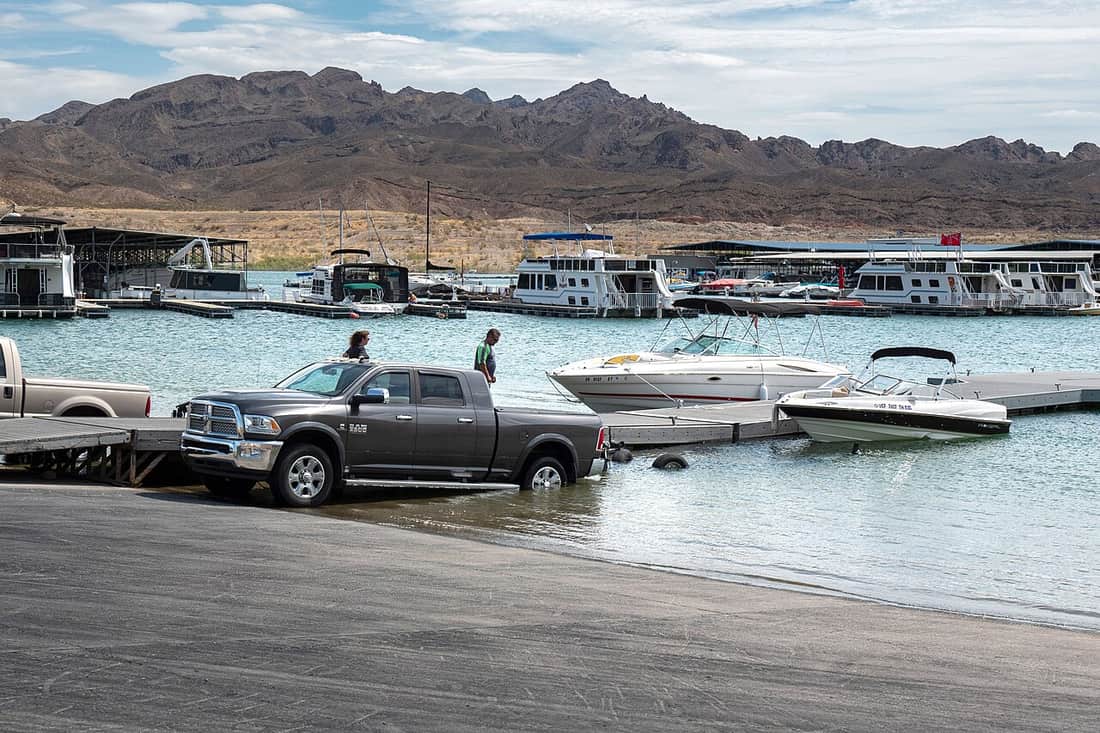
A boat trailer gets dunked, which rules out half the hardware that works fine on a travel trailer.
Disclosure: we earn a commission if you buy through the Amazon links on this page, at no extra cost to you. Commission never decides a verdict or a ranking position - read our editorial policy and affiliate disclosure.
How we assessed these: Receivers are vehicle-specific and we publish no fitment data - use the manufacturer's fit guide for your exact year and model. The picks here are the hardware that goes into a standard 2 in receiver and onto a boat trailer's coupler, chosen from published specifications.
Short answer
For a boat trailer, buy a stainless trailer ball sized to the stamp on your coupler, a mount that tows the trailer level, submersible LED lights, and - if the trailer has surge brakes - the 4-way to 5-way adapter that carries the reverse lockout circuit.
Boat trailers are the one case where standard hitch advice stops applying cleanly. The trailer is reversed into water, often salt water, with hot hubs and hot light housings. Every recommendation below exists because of that single fact. If you are towing a utility or travel trailer, the general hardware picks are the better page.
The four things that are different about a boat trailer
- Immersion. Sealed, submersible-rated lights are not an upgrade here, they are the baseline. A standard incandescent housing that gets dunked while hot will draw water in as it cools.
- Corrosion. A chrome ball with a scratch becomes a rust pit in a season of salt water. Stainless costs more and lasts.
- Surge brakes. Many boat trailers brake hydraulically off the coupler rather than electrically. That changes the wiring and, importantly, it means there is no brake controller in the conversation.
- Ramp geometry. Launching puts the tow vehicle nose-up on a slope with the trailer below it, which is the opposite of the attitude everything else is set up for.
What to look for
- Stainless or heavily plated ball, matched to the coupler stamp. The diameter stamped on your coupler is the only acceptable size - the sizes and what they carry are set out separately. Close enough is how couplers come off balls.
- A mount that tows the boat level. Measure ground to the bottom of the coupler with the trailer level on its jack, then ground to the top of your receiver tube, and buy the drop from the difference.
- Submersible-rated lighting. Sealed LED units, grounded to the frame properly, with a connector that is not sitting in the splash zone.
- The right connector, and an adapter if the vehicle and trailer disagree. A 4-pin flat covers lights only. Surge-brake trailers often need a 5-way flat so the reverse lockout can be energized.
- A coupler lock for the ramp parking lot. An unhitched boat trailer on a public ramp is the easiest thing in towing to steal.
Quick picks
Tap any row to jump to the full write-up. How these are chosen - and what we do and do not claim to know - is published in full on our research methodology page.
| # | Product | Best for | Our read | Price |
|---|---|---|---|---|
| 1 |  CURT 2 in Stainless Trailer Ball (1 in shank, 6,000 lb) Best overall | Replacing a worn or wrong-size ball | Stainless, 6,000 lb, published 250 ft-lb torque | Check price on Amazon #ad Affiliate link - we publish no price; Amazon shows the current one |
| 2 |  CURT Loaded Ball Mount with 2 in Ball (2 in drop, 7,500 lb) Best fixed mount | One trailer at a known height | 7,500 lb, ball already fitted and torqued | Check price on Amazon #ad Affiliate link - we publish no price; Amazon shows the current one |
| 3 |  CURT 4-Way to 5-Way Flat Adapter for Surge Brakes Best for surge brakes | Boat trailers with surge brakes | Carries the reverse lockout a surge trailer needs | Check price on Amazon #ad Affiliate link - we publish no price; Amazon shows the current one |
| 4 |  Blazer LED Submersible Trailer Light Kit Best lights for immersion | Old trailers with tired wiring | Sealed LED, submersible kit | Check price on Amazon #ad Affiliate link - we publish no price; Amazon shows the current one |
The picks in detail
1. Best overall
CURT 2 in Stainless Trailer Ball (1 in shank, 6,000 lb)
CURT · Best for replacing a worn or wrong-size ball
A replacement 2 in ball on a 1 in shank, rated to 6,000 lb, with a published torque figure of 250 ft-lb. That torque number is the reason to buy a ball from a manufacturer that publishes specs: an under-torqued ball nut is a genuine failure mode.
Published specifications
What works
- Published torque specification, which many balls do not come with
- Stainless finish survives a boat ramp better than plain zinc
- Correct shank sizing is spelled out rather than assumed
What does not
- 6,000 lb ceiling is below what many 2 in couplers are rated to carry
- Needs a torque wrench to fit properly, which many people do not own
Skip it if
Not enough ball if your coupler is rated above 6,000 lb - match the ball to the coupler's rating, not to the hole in your mount.
#ad Affiliate link - we publish no price; Amazon shows the current one
Raw specifications: CURT’s own page. We earn nothing on that link.
2. Best fixed mount
CURT Loaded Ball Mount with 2 in Ball (2 in drop, 7,500 lb)
CURT · Best for one trailer at a known height
A one-piece mount with the ball already fitted and torqued, rated to 7,500 lb gross and 750 lb tongue with a 2 in drop. Nothing adjusts, which is exactly why nothing rattles or works loose.
Published specifications
What works
- Arrives with the ball fitted, so there is no torque step to get wrong
- One piece means nothing to loosen or rattle
- Light enough to leave in the receiver or throw in a toolbox
What does not
- The 2 in drop is the only drop - measure before you buy
- 7,500 lb ceiling rules out heavier trailers
Skip it if
Useless on a lifted truck, where a 2 in drop will still leave the trailer nose-high and the weight on the rear axle of the trailer.
#ad Affiliate link - we publish no price; Amazon shows the current one
Raw specifications: CURT’s own page. We earn nothing on that link.
3. Best for surge brakes
CURT 4-Way to 5-Way Flat Adapter for Surge Brakes
CURT · Best for boat trailers with surge brakes
The small adapter that lets a 4-way vehicle feed a boat trailer with surge brakes, which need a fifth wire to disable the brakes while reversing. Specific, unglamorous, and the difference between backing down a ramp and fighting the trailer's own brakes.
Published specifications
What works
- Solves the reverse-lockout problem without rewiring the vehicle
- Small enough to live in the glovebox as a spare
- Standard connector shapes on both ends
What does not
- Only relevant to surge-brake trailers
- Another connection in the circuit, and connections are what corrode
Skip it if
Irrelevant to electric trailer brakes - those need a 7-way and a brake controller, not an adapter.
#ad Affiliate link - we publish no price; Amazon shows the current one
Raw specifications: CURT’s own page. We earn nothing on that link.
4. Best lights for immersion
Blazer LED Submersible Trailer Light Kit
Blazer International · Best for old trailers with tired wiring
LED lamps draw less current than incandescent, which matters on an old trailer with marginal wiring and a tired ground. They also come on instantly, and the cheap failure mode of a sealed LED unit is the whole lamp rather than a bulb.
We have not sourced a full specification table for this model from the manufacturer’s own site at a stable address. Rather than repeat figures we cannot cite, the assessment above is limited to what the design and the maker’s published description genuinely establish.
What works
- Low current draw is kinder to old wiring and weak grounds
- Sealed units with no bulbs to corrode in their sockets
- Instant-on, which gives following traffic slightly more warning
What does not
- A failed LED lamp is replaced whole, not repaired
- Low current can confuse some vehicles' bulb-out monitoring
Skip it if
Not a cure for a bad ground - if your lights dim when you brake, fix the ground strap first or you will blame the new lamps.
#ad Affiliate link - we publish no price; Amazon shows the current one
Surge brakes change the wiring, not the hitch
A surge brake actuator sits in the trailer's coupler and applies the trailer brakes mechanically when the trailer pushes against the tow vehicle. There is nothing electrical about the braking itself, which is why fitting a brake controller to tow a surge-brake boat trailer achieves nothing at all - there is no electric brake magnet to send current to.
What it does need is a way to stop the brakes applying when you reverse down the ramp. Most actuators use either a mechanical lockout or a reverse lockout solenoid, and the solenoid needs a circuit from the tow vehicle. That is what the extra pin on a 5-way flat is for. If your vehicle has a 4-way flat and your trailer has a 5-way, that adapter is the whole fix. If you are unsure which connector you are looking at, the 4-pin and 7-pin comparison covers the family.
The launch and recovery checklist
Before you reverse down the ramp
Disconnect the lights
Unplug the connector before the trailer enters the water. Even sealed lights last longer unpowered, and a hot filament in cold water is how incandescent units fail.
Engage the surge lockout
Mechanical pin or reverse solenoid, depending on the actuator. If you skip it, the brakes fight you all the way down the slope.
Check the coupler and safety chains
The ramp is where a partly latched coupler shows up, because the trailer is being pushed rather than pulled.
Rinse everything afterward
Hubs, ball, coupler, chains and the connector. Fresh water, every time, if the launch was salt.
The tongue weight rule still applies, incidentally. A boat trailer should carry 10 to 15 percent of its loaded weight on the ball, and the boat's position on the bunks is how you adjust it. Measuring it is worth doing once, because most boat trailers are set up by eye.
Key takeaways
- Stainless ball hardware and submersible lights are baselines, not upgrades.
- Surge brakes need a reverse lockout circuit, not a brake controller.
- Many boat trailer makers prohibit weight distribution hitches - check yours.
- Unplug the lights and rinse everything; both double the hardware's life.
How we sourced this
Every figure on this page came from one of the following, each fetched while the page was written. Where a manufacturer or regulator does not publish a number, we say so rather than estimate it.
- CURT 2 in stainless trailer ball - published specifications including 250 ft-lb mounting torque (part 40083)
- CURT loaded ball mount, 2 in ball, 2 in drop - published specifications (part 45036)
- CURT 4-way to 5-way flat adapter for surge brakes - published specifications (part 57187)
- 49 CFR 571.108 (FMVSS 108) - lamps, reflective devices and associated equipment
- 49 CFR 393.70 - coupling devices and towing methods, including safety chain and cable arrangement
Common questions
- Do I need a brake controller for a boat trailer?
- Not if the trailer has surge brakes, which brake hydraulically from the coupler with no electrical input. If the boat trailer has electric brakes - less common, but it happens on larger ones - then yes, the normal rules apply.
- Why do my trailer lights keep failing after launching?
- Almost always water drawn into a hot housing as it cools, or a corroded ground. Sealed LED units and a clean, bright metal ground point on the trailer frame fix the great majority of it. Unplug before the trailer enters the water.
- Can I use a regular chrome ball on a boat trailer?
- You can, and it will work, and it will pit. Stainless or a heavily plated ball is the sensible choice if the trailer sees salt water, because a rough ball wears the coupler socket as well as itself.
- What ball size does a boat trailer use?
- Whatever is stamped on the coupler - commonly 1-7/8 in on small trailers and 2 in on mid-size ones. The stamp is the specification; never fit a near size.
More in Hitches, Receivers & Ball Mounts
Class, receiver size, ball diameter, drop. Four numbers decide whether your setup is right, and three of them are stamped on parts you already own.
Read next
Best hitch hardware
Best Trailer Hitches
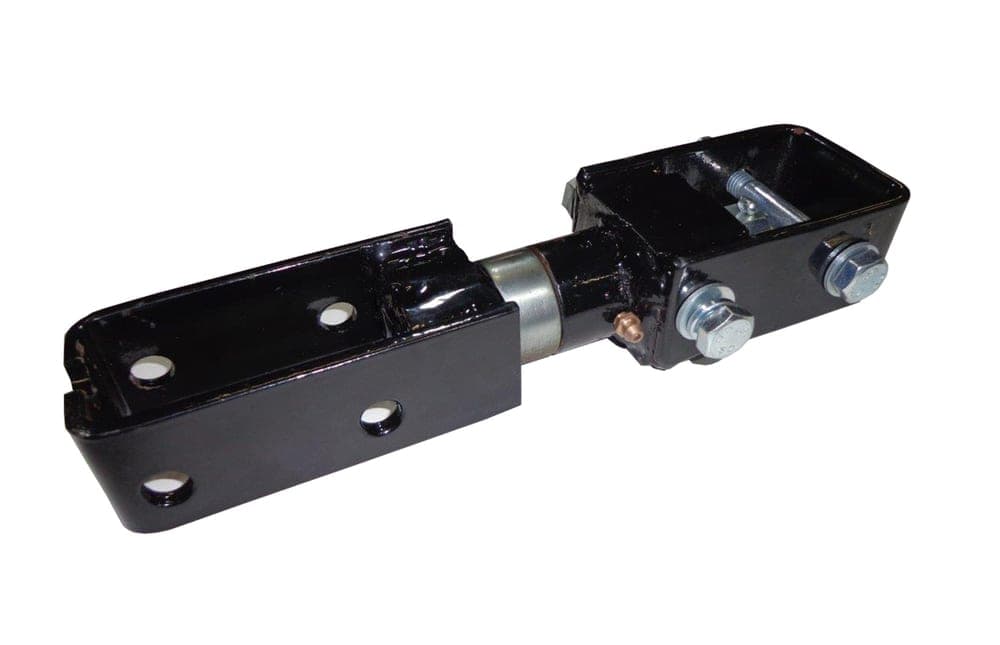
What to buy for a 2 in receiver - mounts, balls, pins and anti-rattle hardware - and how to get the vehicle-specific receiver right.
Reference
Trailer Ball Sizes
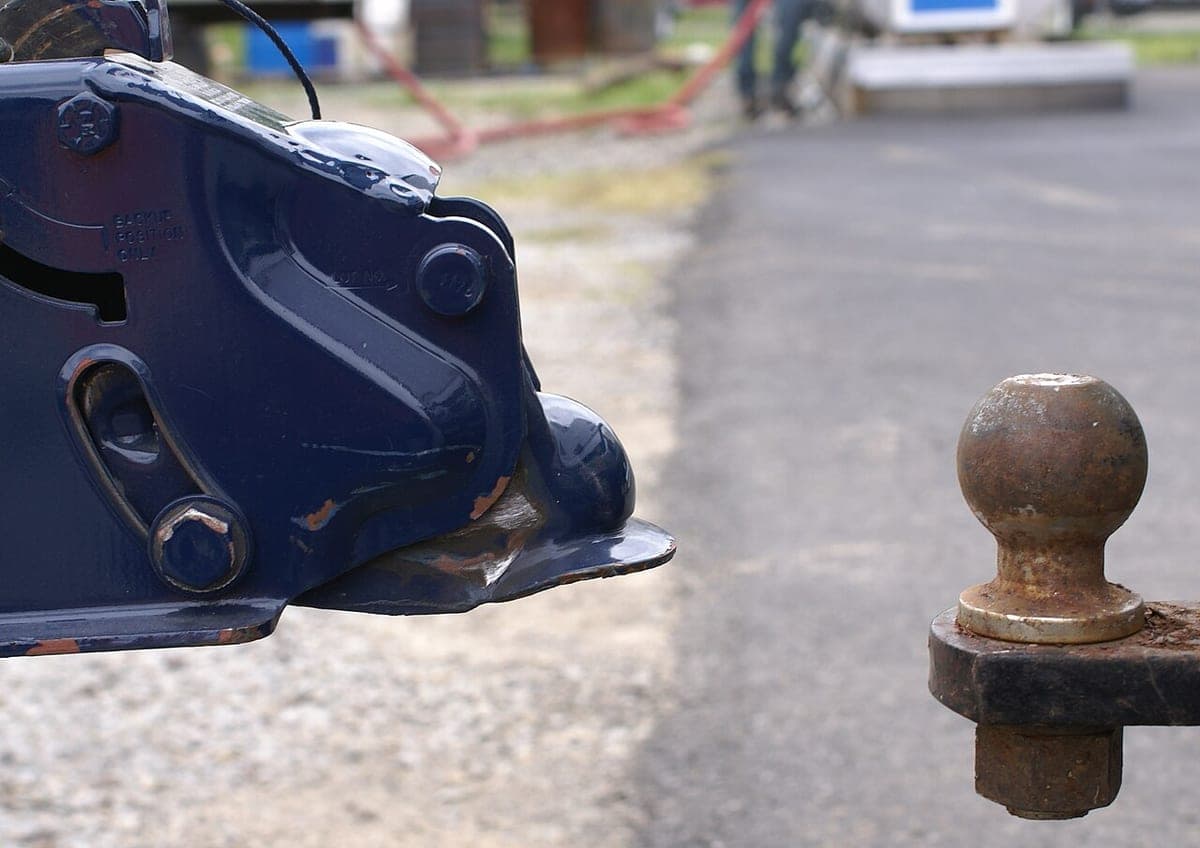
The three standard ball diameters, how shank dimensions work, and why mounting torque is a specification rather than a suggestion.
Head to head
4-Pin vs 7-Pin
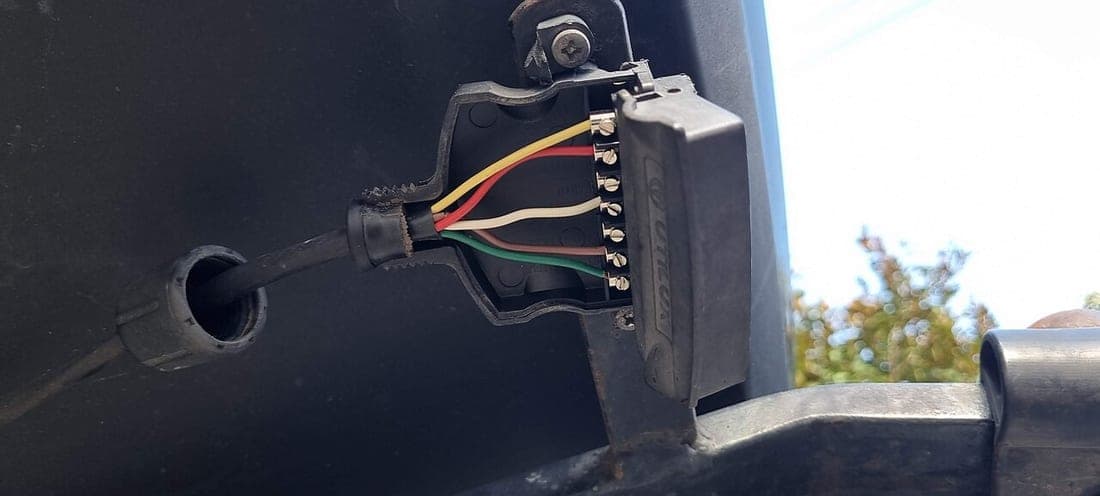
What each connector carries, why adapters cannot add circuits, and when upgrading a vehicle to a 7-way is the real answer.
Best trailer light kit
Best Trailer Light Kits
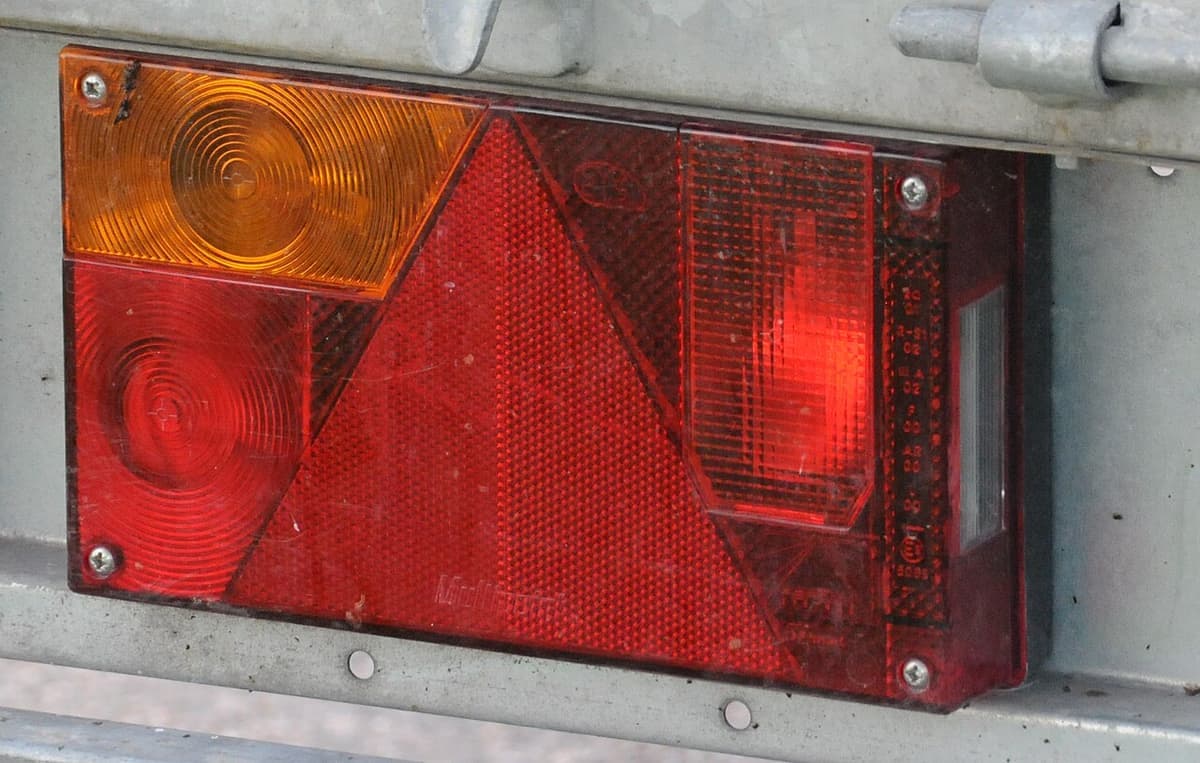
Complete lighting kits for utility and boat trailers, with the submersible and width considerations that pick the kit for you.

Guide
Boat Trailer Fishtailing
The loading, tire and setup causes specific to boat trailers, in the order worth checking, and why the usual sway hardware advice does not transfer cleanly.
Found something out of date, or a figure you can source better than we did? Corrections get read first. How we research explains how these pages are put together, and contact is one click away.