Hitches, Receivers & Ball Mounts
B&W Tow & Stow: An Honest Review
Most ball mounts solve height. This one also solves the shin-height steel bar you walk into in your own garage - and refuses to work with spring bars.

Disclosure: we earn a commission if you buy through the Amazon links on this page, at no extra cost to you. Commission never decides a verdict or a ranking position - read our editorial policy and affiliate disclosure.
How we assessed these: Assessed from B&W's own published specifications - the gross trailer weight and vertical tongue weight figures listed for every shank size, the published drop options, ball configurations, certification and the maker's own statement about weight distribution compatibility. This site has not towed this mount, runs no instrumented tests, and publishes no measurements of its own.
Short answer
Buy the B&W Tow & Stow if you leave a mount in the receiver most of the time and you are tired of walking into it, and if you tow with a plain ball rather than spring bars. It folds up behind the bumper, carries two or three ball sizes on one pivoting head, and is rated from 10,000 lb on a 2 in shank up to 21,000 lb on a 3 in shank. Do not buy it if your trailer needs a weight distribution or sway bar setup - B&W states plainly that neither fits it.
Ball mounts are not usually interesting. They are a bent piece of steel with a ball on the end, and the only real decisions are the drop and the ball size. The Tow & Stow is interesting because it addresses a problem the category had collectively decided was not its job: the mount is a hazard when you are not towing. It sits at shin height, it catches the garage door, it is the thing that puts a dent in the bumper of whoever parks behind you, and the usual answer - take it out and put it in the bed - is the kind of advice that nobody follows twice.
So the swing arm pivots up and tucks in under the bumper. That is the pitch, and it works. The question this review is really about is what you give up for it, because there is a specific and significant trade-off that does not show up in most write-ups.
What problem it solves
Three, and they are worth separating because buyers usually want one of them more than the others.
- It gets out of the way. Pull the pins, swing the arm up, pin it. The ball goes from sticking a foot behind the bumper to sitting tucked underneath it. This is the headline feature and the only one no plain mount offers.
- It covers several ball sizes. Dual-ball heads carry 2 in with 2-5/16 in, or 1-7/8 in with 2 in. The tri-ball head carries all three. You rotate the head rather than unbolting and swapping a ball, which is the difference between a thirty-second job and a wrench-and-torque job.
- It covers several heights. Two quick-pull pins set the drop, and inverting the whole mount in the receiver converts the drop into a rise. One mount levels a boat trailer, a utility trailer and a camper that all couple at different heights.
If you only need one height and one ball, none of this is worth paying for - a one-piece fixed mount is cheaper, lighter, quieter and has nothing to lose. The case for adjustable over fixed is really a question about how many trailers are in your driveway.
The published numbers
Capacity on the Tow & Stow is set by the shank, not by the drop or the ball head, and the three shank sizes are far apart. This is the single most important table on this page, because buying the 2 in shank for an 11,000 lb trailer is the mistake the price difference encourages.
| Shank | Gross trailer weight | Vertical tongue weight | Published drops |
|---|---|---|---|
| 2 in | 10,000 lb | 1,000 lb | 2-1/2, 3, 5, 7 and 9 in |
| 2-1/2 in | 18,000 lb | 1,800 lb | 5, 7 and 8-1/2 in |
| 3 in | 21,000 lb | 2,100 lb | 4-1/2 and 7-1/2 in |
Read off B&W's own published model options. Vertical tongue weight is exactly ten percent of gross trailer weight at every shank size, which is a useful reminder that the mount is specified around a correctly loaded trailer.
Two things in that table catch people out. The 2 in shank stops at 10,000 lb, which is lower than some competing adjustable mounts on the same receiver size, so a heavy travel trailer on a half-ton can run out of mount before it runs out of truck. And the drop options narrow as the shank gets bigger - the 3 in shank is published in only two drops, so if your geometry needs something between them you are choosing the nearest hole rather than the right height.
There are also two variants worth knowing about. B&W publishes a GM MultiPro and MultiFlex version shaped to clear those tailgates when they are folded down into step mode, which is a real problem on those trucks and not something you can fix with a standard mount. And there is a Dual Ball Pintle version, rated to 16,000 lb gross and 1,600 lb tongue on a 2 in shank, or 21,000 lb and 2,100 lb on a 2-1/2 in shank, with the pintle function usable only with the 2-5/16 in ball fitted; the 2 in ball on that version is rated to 10,000 lb and 1,000 lb on either shank.
Construction is steel with a powder coat finish, the mount is published as tested to SAE J684, it is made in the USA, and it carries a lifetime warranty. Finishes run black, chrome, Browning-branded and camo, which is purely cosmetic and does not change any rating.
The limitation that decides the purchase
This matters more than any other single fact about the product, and it is the reason the Tow & Stow and the typical travel trailer owner are a bad match. A 7,000 lb travel trailer behind a half-ton is close to the textbook case for weight distribution: the truck squats, the headlights point at the trees, and the trailer gets twitchy at highway speed. The answer to that is a weight distribution head with sway control, not a better ball mount. If you are not sure which camp you are in, whether you need weight distribution is the question to settle before you spend anything here.
Where the Tow & Stow fits beautifully is the other kind of towing: boat trailers, utility trailers, dump trailers, car haulers behind a three-quarter-ton, equipment behind a farm truck - loads with plenty of tongue weight, short enough or heavy-vehicle enough not to need bars, towed often, with the mount living in the receiver between jobs. That is a very large slice of real towing, and in it this mount is close to ideal.
Living with it
The honest day-to-day picture has a few rough edges alongside the convenience.
- It is heavy. Steel, with a pivoting head and a thick swing arm. That is where its strength comes from, and it is also why you will not enjoy carrying it. If weight is what you care about, aluminum versus steel is the comparison to read first.
- Height comes in steps. The pin holes set the available drops, so the exact height that levels your trailer perfectly may not exist. You pick the nearest, and nose-slightly-down is the side to err on.
- There are pins to lose. Three of them, and they are what holds the geometry. B&W sells replacements through dealers, but a pin that walks out on the highway is the sort of failure a one-piece mount cannot have. Check them before every trip, the way you check the coupler latch.
- Stowing needs clearance. The arm folds up under the bumper, which assumes there is room under your bumper. On a lowered vehicle, or one with a bumper-mounted step or sensor array, check before you buy.
- It does not measure anything. No tongue weight readout. If that is the feature you actually want, the Weigh Safe Drop Hitch review covers the mount that has it.
On security, the design is better than most: with the mount locked into the receiver, the swing arm cannot be removed, and a slide pin keeps the arm and the balls attached even when the other pins are out. That is meaningfully better than a plain mount, where everything comes out with the hitch pin. It is not a substitute for a receiver lock, and the hitch pin and lock options are still the thing standing between a thief and your mount.
Who should buy something else
- Your trailer needs weight distribution or sway control. This is the hard stop. B&W says those systems do not fit, and a long travel trailer behind a half-ton usually wants them.
- You want to know your tongue weight. A mount with a built-in gauge, or a plain mount plus a tongue weight scale, is the way to get the number.
- You lift the mount in and out constantly. Then you want aluminum, not steel, and the stow feature is solving a problem you do not have.
- You need an exact level height. A continuously adjustable channel mount gets closer than fixed pin increments can.
- You tow one trailer, one height, one ball. Buy a fixed mount at the right drop. It will outlast all of this and cost a fraction of it.
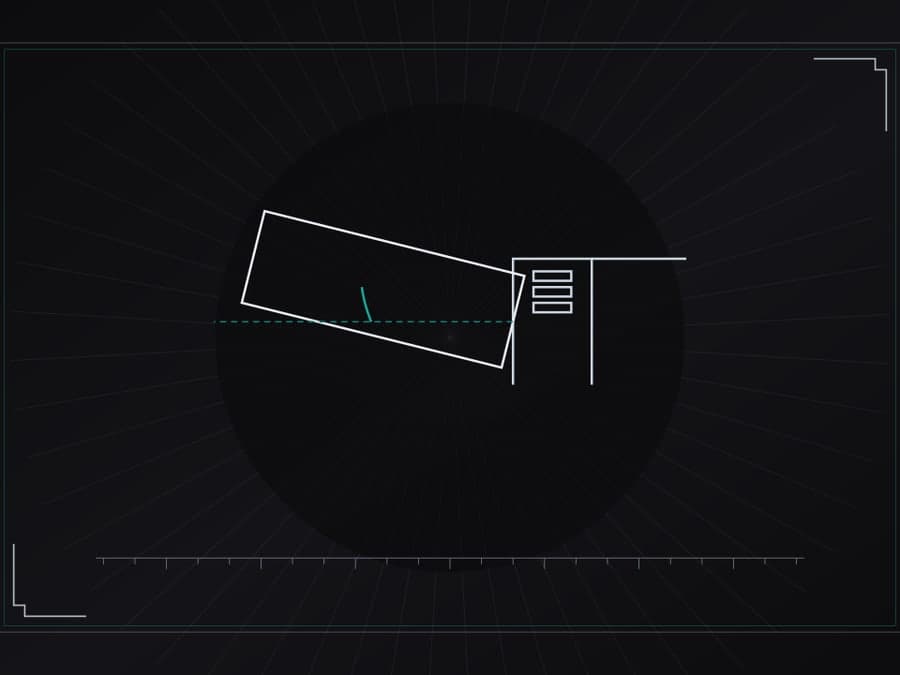
1. The subject
B&W Tow & Stow Adjustable Ball Mount
B&W Trailer Hitches · Best for daily drivers that tow occasionally
Two balls on a pivoting head that tucks up under the bumper when nothing is attached, which is the part owners actually rave about - no more shin-height steel bar in a parking lot. Height adjusts in pin increments rather than continuously.
Published specifications
- Gross trailer weight by shank
- 2 in shank 10,000 lb; 2-1/2 in shank 18,000 lb; 3 in shank 21,000 lb source
- Vertical tongue weight by shank
- 2 in shank 1,000 lb; 2-1/2 in shank 1,800 lb; 3 in shank 2,100 lb source
- Published drop options
- 2-1/2, 3, 5, 7 and 9 in on the 2 in shank; 5, 7 and 8-1/2 in on the 2-1/2 in shank; 4-1/2 and 7-1/2 in on the 3 in shank source
- Ball configurations
- 2 in with 2-5/16 in; 1-7/8 in with 2 in; or all three on the tri-ball head source
- Certification
- Tested to SAE J684 source
- Weight distribution compatibility
- None - the maker states sway bar and weight distribution systems do not fit it source
What works
- Stows up out of the way instead of projecting behind the bumper
- Two ball sizes on one head, flipped rather than swapped
- Solid, heavily built, and quiet when pinned correctly
What does not
- Heavy to handle and to store
- Height steps are fixed by the pin holes, so an exact level may not be available
Skip it if
Not the right buy if you need a precise level height - a continuously adjustable channel mount will get closer than pin increments will.
#ad Affiliate link - we publish no price; Amazon shows the current one
Raw specifications: B&W Trailer Hitches’s own page. We earn nothing on that link.
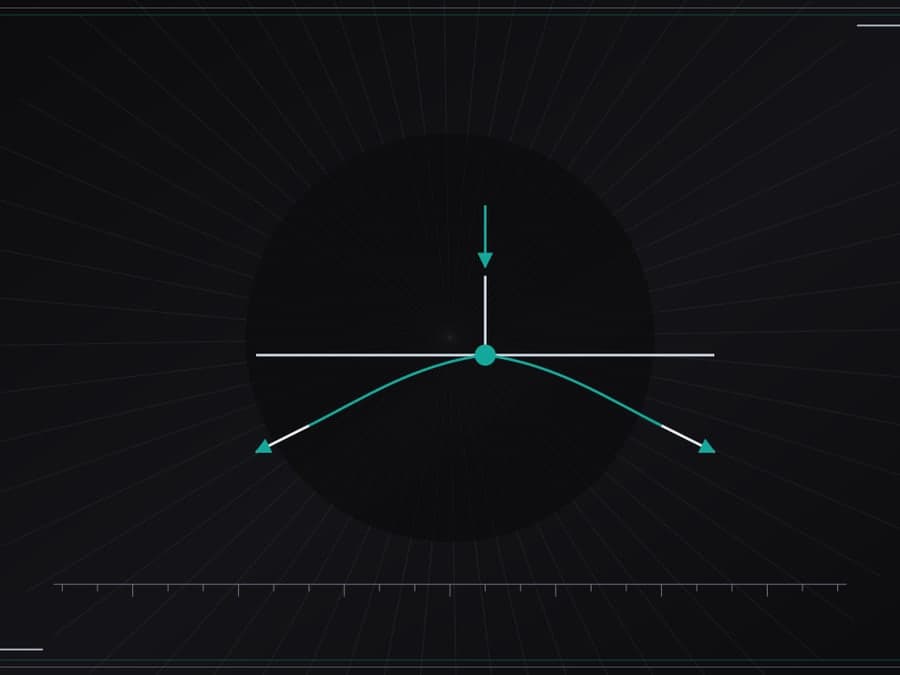
2. If you need spring bars
Equal-i-zer 4-point Sway Control Hitch
Equal-i-zer · Best for travel trailers that already sway
The reference point for integrated sway control. Friction happens at four places at once - both L-brackets and both sockets - so resistance is always on rather than something you remember to engage. Setup is bracket-height and bar-angle work, and it rattles; both are the price of a system with no separate parts to forget.
Published specifications
- Models offered (gross trailer weight)
- 4,000, 6,000, 10,000, 12,000, 14,000 and 16,000 lb source
- Tongue weight rating
- Matched to each model: 400, 600, 1,000, 1,200, 1,400 and 1,600 lb source
- Sway control points
- Four - two in the hitch head sockets, two at the rigid trailer brackets source
- Warranty
- Limited lifetime warranty source
What works
- Sway resistance is built into the geometry, so there is nothing to connect or disconnect at the ramp
- Works in reverse and in the wet, unlike a friction bar you have to release
- One assembly rather than a hitch plus a bolt-on sway bar
What does not
- Audible rattle and creak at low speed is normal and surprises first-time owners
- Bracket height and bar angle have to be set properly or the sway control does little
Skip it if
Skip it if your loaded tongue weight sits well inside your receiver's weight-carrying rating and the truck stays level - you would be buying hardware to solve a problem you do not have.
#ad Affiliate link - we publish no price; Amazon shows the current one
Raw specifications: Equal-i-zer’s own page. We earn nothing on that link.
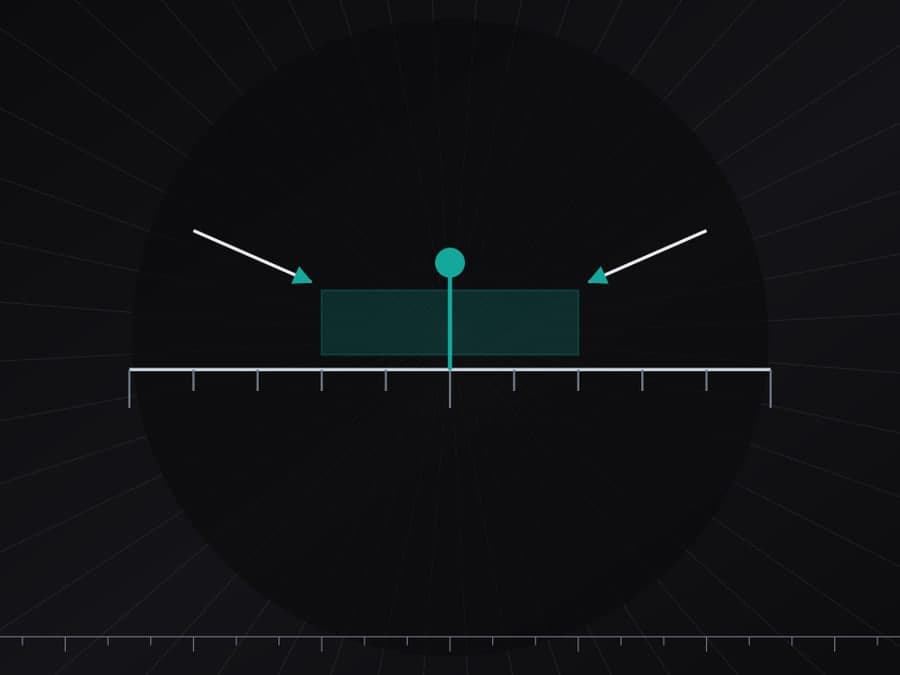
3. The measuring alternative
Weigh Safe Adjustable Drop Hitch with Built-in Tongue Weight Scale
Weigh Safe · Best for owners who will never visit a scale
An adjustable drop hitch with a hydraulic gauge in the shank, so the tongue weight reads out as you lower the trailer onto the ball. It turns the single most-skipped step in towing into something that happens automatically, which is worth more than the hardware itself.
Published specifications
- Gross trailer weight by shank
- 2 in shank 12,500 lb; 2-1/2 in shank 18,500 lb; 3 in shank 21,000 lb source
- Tongue weight rating by shank
- 2 in shank 1,500 lb; 2-1/2 in and 3 in shanks 2,200 lb source
- Published drop sizes
- 4, 6, 8 and 10 in, adjustable in 1 in increments; rise is 1 in more than the drop source
- Unit weight
- 16 lb at 4 in drop, 18 lb at 6 in, 19 lb at 8 in, 20 lb at 10 in source
- Balls supplied
- Stainless steel 2 in and 2-5/16 in; 1-7/8 in is a separate option source
- Material and certification
- Aircraft-grade aluminum body with stainless balls; V5 and SAE J684 certified source
What works
- Reads tongue weight every time you hitch, with no extra step
- Adjustable height and reversible for rise as well as drop
- Makes the 10-15 percent rule checkable instead of theoretical
What does not
- The gauge reads at the ball, so it is sensitive to being parked on a slope
- Heavier and considerably more expensive than a plain mount
Skip it if
Not needed if you already weigh at a public scale - the gauge is convenience, and a certified scale is still the more accurate number.
#ad Affiliate link - we publish no price; Amazon shows the current one
Raw specifications: Weigh Safe’s own page. We earn nothing on that link.

4. The lightest alternative
Andersen Rapid Hitch Aluminum Adjustable Ball Mount
Andersen Hitches · Best for anyone tired of lifting steel mounts
An aluminum adjustable mount, which is the point: a steel channel mount is genuinely heavy to carry, and this one is not. Balls thread into the stainless pin rather than bolting through a hole, so swapping sizes takes seconds.
Published specifications
- Maximum gross trailer weight
- 12,500 lb source
- Capacity by ball fitted
- 2 in with 2-5/16 in combo ball 10,000 to 12,500 lb; 1-7/8 in with 2 in combo ball 5,000 to 12,500 lb source
- Tongue weight rating
- 1,500 lb source
- Drop/rise racks
- 4, 6, 8 and 10 in source
- Shank sizes
- 2 in and 2-1/2 in source
- Certification
- V5 and SAE J684 source
What works
- Dramatically lighter than a steel adjustable mount of similar capacity
- Ball changes are a thread-on operation, not a torque-and-nut job
- Aluminum does not rust streak down a painted bumper
What does not
- Aluminum marks more easily than powder-coated steel
- Capacity depends on which ball and pin combination you fit, so read the chart
Skip it if
Not the one if you leave the mount permanently in the receiver through salted winters - the convenience you are paying for is weight, and you would never be lifting it.
#ad Affiliate link - we publish no price; Amazon shows the current one
Raw specifications: Andersen Hitches’s own page. We earn nothing on that link.

5. The budget alternative
CURT Adjustable Channel Mount with Dual Ball (2 in shank, 6 in drop)
CURT · Best for garages with several trailers
One mount that covers two ball sizes and a range of heights, which is the answer when the garage contains a boat trailer, a utility trailer and a camper that all sit at different heights. Capacity drops to the lower-rated ball you are actually using.
Published specifications
What works
- Two ball sizes and a height range in a single mount
- Flipping it gives rise as well as drop
- Rated to 14,000 lb on the larger ball
What does not
- Heavy, and more joints means more places for rattle to start
- The pins and bolts need checking for torque, unlike a one-piece mount
Skip it if
Pointless if you own one trailer and tow it with one truck - a fixed mount at the right height is lighter, quieter and cheaper.
#ad Affiliate link - we publish no price; Amazon shows the current one
Raw specifications: CURT’s own page. We earn nothing on that link.
The verdict
The Tow & Stow earns its following honestly. It is heavily built, properly rated, made in the USA, backed for life, and it is the only mainstream mount that treats the hitch-in-the-shins problem as a design brief rather than a fact of life. For a truck that tows a boat, a utility trailer or equipment, with the mount living in the receiver between jobs, it is the one most owners end up glad they bought.
But it is a ball mount, and B&W is clear that it will never be more than that: no spring bars, no sway control hardware, no tongue weight readout. If your towing problem is a squatting truck or a trailer that moves around at speed, this product cannot solve it, and buying it anyway is the expensive version of the wrong answer. Settle the weight distribution question first; then, if the answer is no, this is an easy recommendation. The side-by-side with the Weigh Safe is the next page to read if the two are on your shortlist.
Key takeaways
- The stow feature is real and is the main reason to choose it.
- Capacity is set by the shank: 2 in to 10,000 lb, 2-1/2 in to 18,000 lb, 3 in to 21,000 lb.
- Vertical tongue weight is ten percent of gross at every shank size.
- Dual-ball and tri-ball heads; rotate the head rather than swapping a ball.
- B&W states that weight distribution and sway bar systems do not fit it - this is the deal-breaker for most travel trailers.
- Steel and heavy; pin-indexed heights, so the perfect level may not be available.
- MultiPro/MultiFlex and pintle variants exist with their own published ratings.
How we sourced this
Every figure on this page came from one of the following, each fetched while the page was written. Where a manufacturer or regulator does not publish a number, we say so rather than estimate it.
- B&W Trailer Hitches - Tow & Stow Adjustable Ball Mount, published model options with GTW and VTW per shank size
- B&W Trailer Hitches - manufacturer site
- Weigh Safe - Weigh Safe Drop Hitch (aluminum), published specifications including per-shank GTW and tongue weight ratings
- Equal-i-zer 4-point sway control hitch - published model table (4K through 16K gross trailer weight with matching tongue weight ratings) and four-point friction description
- 49 CFR 567.4 - certification label content, including Gross Vehicle Weight Rating and Gross Axle Weight Rating
Common questions
- Can you use a weight distribution hitch with a B&W Tow & Stow?
- No. B&W states that weight distribution systems and sway bar systems both need specialized attachment hardware at the receiver that the Tow & Stow does not accept. If your trailer needs spring bars, you need a weight distribution head instead of this mount.
- How much can a B&W Tow & Stow tow?
- It depends entirely on the shank. B&W publishes 10,000 lb gross trailer weight and 1,000 lb vertical tongue weight on the 2 in shank, 18,000 lb and 1,800 lb on the 2-1/2 in shank, and 21,000 lb and 2,100 lb on the 3 in shank. Your tow vehicle's own rating still applies and is usually the lower number.
- What drop sizes does the Tow & Stow come in?
- B&W publishes 2-1/2, 3, 5, 7 and 9 in drops on the 2 in shank; 5, 7 and 8-1/2 in on the 2-1/2 in shank; and 4-1/2 and 7-1/2 in on the 3 in shank. Inverting the mount in the receiver turns the drop into a rise.
- Is the Tow & Stow worth it over a regular ball mount?
- If you tow more than one trailer, or you leave the mount in the receiver between trips, yes - the multi-ball head and the stow position both earn their keep. If you tow one trailer at one height, a fixed mount at the correct drop is cheaper, lighter and quieter.
- Does the Tow & Stow come with a lock?
- The swing arm is secured by a slide pin and cannot be removed while the mount is locked into the receiver, but a receiver lock is sold separately. B&W also offers a pin lock that secures all three pins with one key.
More in Hitches, Receivers & Ball Mounts
Class, receiver size, ball diameter, drop. Four numbers decide whether your setup is right, and three of them are stamped on parts you already own.
Read next

Review
Weigh Safe Review
Per-shank ratings, the drop sizes that exist, and the honest limits of a gauge that reads at the ball rather than at a certified scale.

Head to head
Tow & Stow vs Weigh Safe
A tri-ball mount that stows out of the way against a drop hitch with a built-in tongue weight scale - which feature earns its keep.
Head to head
Adjustable vs Fixed Mount
The honest head-to-head: what an adjustable mount buys you, what it costs you, and why a fixed mount still wins for most owners.
Head to head
Aluminum vs Steel Ball Mount
What changes between an aluminum and a steel ball mount - weight, corrosion, cost and wear - and which one suits how often you hitch up.
Found something out of date, or a figure you can source better than we did? Corrections get read first. How we research explains how these pages are put together, and contact is one click away.