Weight Distribution Hitches
Reese Strait-Line: An Honest Review
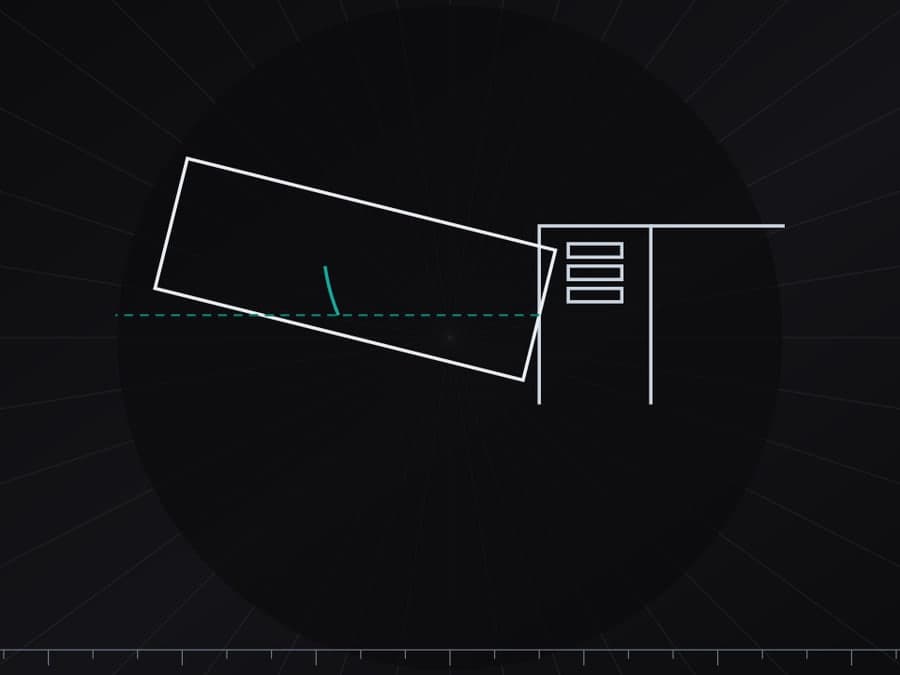
Most sway control fights movement after it starts. The Dual Cam system holds the trailer in the straight-ahead position and pulls it back to it - a different idea, with different trade-offs.
Disclosure: we earn a commission if you buy through the Amazon links on this page, at no extra cost to you. Commission never decides a verdict or a ranking position - read our editorial policy and affiliate disclosure.
How we assessed these: Assessed from Reese's own published listing and per-part specification tables for the Strait-Line and Dual Cam II kits - capacities, gross tongue weights, kit weights, materials, hardware grades and warranty - and from what a cam-based mechanism implies about setup and behavior. This site has not towed this hitch, runs no instrumented tests, and publishes no sway or load-transfer measurements of its own.
Short answer
Buy a Reese Strait-Line if you tow a long trailer in crosswinds and want sway control that actively pulls the trailer back to straight rather than just damping movement once it starts. Its Dual Cam mechanism keeps working in the wet, where friction faces lose consistency. Skip it if your trailer is short or light, if you want the simplest possible setup, or if you are shopping on price - a four-point friction hitch is easier to set up and cheaper to live with.
There are two honest ways to stop a trailer yawing. You can resist the movement, which is what every friction hitch does: steel rubs on steel, energy turns into heat, and the swing damps out. Or you can hold the trailer in one position and make it climb out of that position before it can yaw at all - and then let it fall back in. The second is what a cam system does, and it is the reason this hitch has kept a following for decades while cheaper designs came and went.
Whether that difference is worth the extra setup work is the real question, and the answer depends almost entirely on what you tow and where.
What problem it solves
The same two jobs every weight distribution hitch does, plus a different answer to the second one. Spring bars tension against the trailer's A-frame and pry the hitch head and frame apart, pushing load that would otherwise sit behind the tow vehicle's rear axle forward onto the front axle and back onto the trailer's own axles. That is what fixes the nose-up stance, the vague steering and the headlights aimed at the trees.
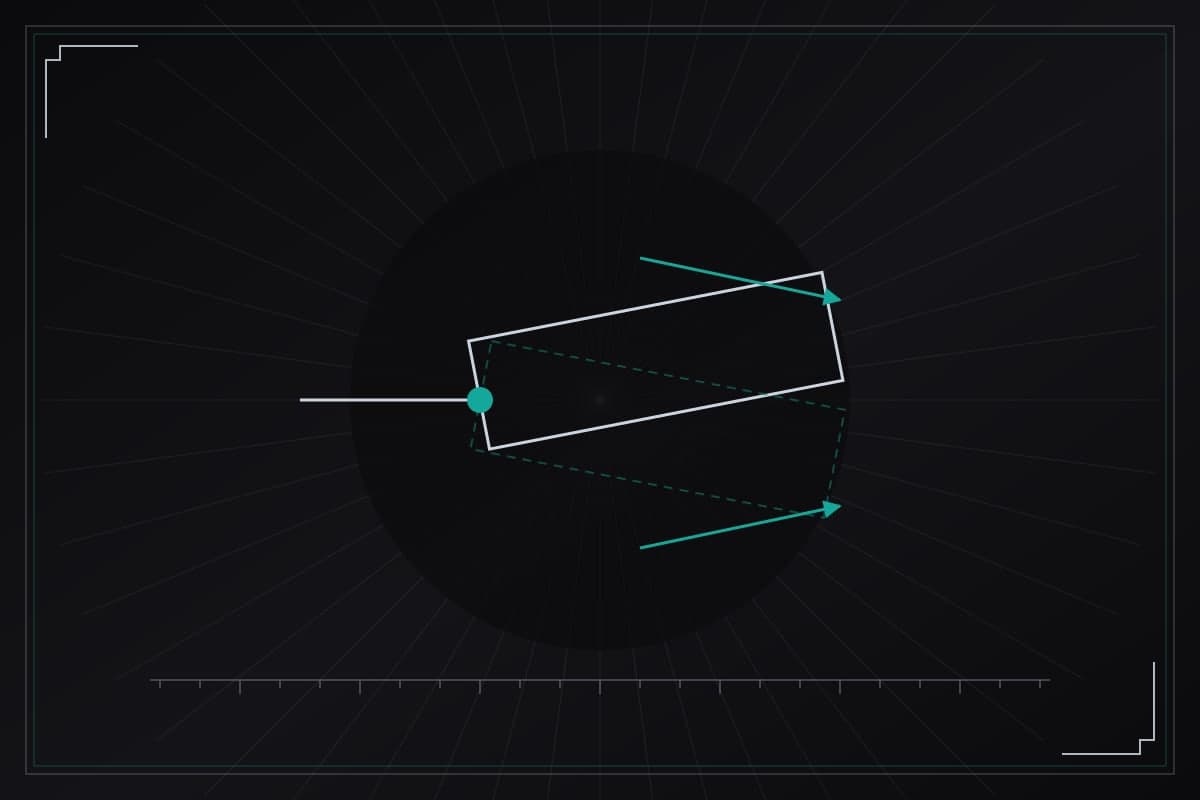
The sway half is where it diverges. Rather than generating friction where the bars meet their brackets, the Strait-Line uses cams that seat into detents when the trailer is tracking straight. Yaw has to lift the cams out of those detents, and once the force stops, geometry pushes them back in - which pulls the trailer back toward center. Reese's own framing is that the stronger the sway force, the harder the system works against it, and that is a fair description of how a cam-and-detent arrangement behaves.
The full taxonomy of what each class of sway hardware actually does is in friction versus dual cam versus four-point, which is the page to read first if you have not settled on an architecture yet.
The published kits
Reese publishes four kits in this family, and they are not interchangeable. The number you buy to is your measured loaded tongue weight, not the sticker on the trailer.
| Part | Capacity | Gross tongue weight | Kit weight |
|---|---|---|---|
| 66091 | 6,000 lb | 600 lb | 88.5 lb |
| 66092 | 8,000 lb | 800 lb | 91 lb |
| 66093 | 12,000 lb | 1,200 lb | 101.5 lb |
| 66074 | 12,000 lb | 1,200 lb | 83 lb |
Read off Reese's own published per-part specification tables. Gross tongue weight is exactly ten percent of capacity in every kit. The 66074 is the lighter of the two 12,000 lb kits because it is published as supplied without a shank - see below.
Common to all four, from the same published tables: steel construction with a black finish, Grade 5 nuts with Grade 8 bolts, adjustable spring bar arms published at 31 in with the mounting bracket position at 28 in, mounting hardware included, safety chains not included, universal fit, and a limited lifetime warranty. They also carry a California Proposition 65 warning, with chromium named as the chemical.
Where the maker's own data contradicts itself
This is worth flagging plainly, because it is the kind of thing that costs somebody a return. Part 66074 is published under the name "Strait-Line Active Sway Control Weight Distribution Kit", and its description on the same page states that the kit consists of Reese's patented Dual Cam high-performance sway control together with their weight distributing system in one package. The specification table on that same page lists "Includes Sway Control: No".
Those two statements cannot both be describing the same box. The three Dual Cam II parts - 66091, 66092 and 66093 - are listed as "Includes Sway Control: Yes", which suggests the flag on 66074 is a data error rather than a product difference. We are not going to guess which it is. What we will say is the practical thing: read the components list on the part page, which itemizes exactly what is in the kit, and confirm the cam hardware is in it with whoever you buy from before you order. Do not rely on either the name or the flag alone.
Setup is the real cost
A cam system has more parts that have to end up in the right place than a friction hitch does, and this is where owners either come to love it or quietly sell it. Nothing about it is difficult. All of it is fussy, and it is measurement work rather than wrench work.
What a first Strait-Line setup involves
Measure the tow vehicle unhitched
Record the height of a fixed point over each wheel arch, front and rear, with the vehicle loaded as it will travel and no trailer attached. These are the reference numbers everything else is judged against.
Weigh the tongue before choosing the kit
The kit is selected by measured loaded tongue weight, not trailer rating. A trailer rated 10,000 lb loaded to 6,500 lb with 700 lb on the tongue wants the 8,000 lb kit, not the 12,000 lb one.
Set the head height and tilt
Head angle sets how much the bars preload. Start from the manual's washer stack for your bar rating rather than guessing, because this is the adjustment that everything downstream depends on.
Position the cam brackets on the A-frame
The cams need a specific position along a straight run of A-frame to seat correctly. Propane tanks, battery boxes and front storage boxes all compete for that space, so check clearance before you buy.
Couple, raise, fit the bars, lower and re-measure
Lift the front of the rig on the tongue jack, fit and tension the bars, drop it back onto its suspension and re-measure both arches. You are restoring most of the front-arch drop while keeping the trailer level.
Confirm the cams actually seat
With the rig straight, the cams should be sitting in their detents rather than riding on the edge. This is the step that distinguishes a working Dual Cam setup from an expensive spring bar hitch.
The general sequence, including how much front-axle restoration to aim for, is in the weight distribution setup guide. Expect the first setup to take longer than a friction hitch and every one after that to take about the same.
Living with it
- The cams clunk. They seat and unseat as you pull away and as you maneuver, and that is the mechanism working rather than a fault. It is the single most common surprise for a first-time owner, and it is louder than the creak a friction hitch makes.
- It does not mind the weather. Performance does not fall away when the brackets get wet, which is the clearest practical advantage over a friction design and the reason it suits people who tow year-round.
- It needs A-frame real estate. The cam brackets have to go where the geometry wants them. On a trailer with a crowded A-frame this is a genuine fitment question, not a detail.
- The kits are heavy. Between 83 and 101.5 lb published, so this is not hardware you casually lift in and out on your own.
- Safety chains are not in the box. Reese publishes them as not included, so check what your trailer already has and read the chain rating and arrangement rules before you tow.
- Decades of documentation exist. That is an underrated advantage - almost any trailer shop will recognize a Dual Cam setup and know how to adjust it.
What it does not solve
It does not create capacity. Weight distribution spreads tongue load across three axles; it does not reduce that load by a single pound, and the tow vehicle's payload placard is still the limit that binds first for most people. How much your truck can actually tow is settled by the vehicle, not by the hitch bolted to it.
It also will not rescue a badly loaded trailer. Too little tongue weight is the dominant cause of sway, and a cam system fighting a trailer that is balanced on its own axles is a mechanism doing a job it was never meant to do. Get the load right first; the hitch is the second fix, not the first.
Who should buy something else
- Your trailer is short or light. The cam system is aimed at trailers long enough to generate real yaw. On a small utility trailer it is complexity bought for nothing.
- You want the simplest setup. A four-point friction hitch has fewer things to position correctly and is more forgiving of a rushed first install.
- You hitch and unhitch constantly. Clamp-on latch designs are quicker trip after trip than snap-up brackets plus cams.
- Budget is the binding constraint. An entry-level integrated friction hitch costs considerably less and still does both jobs competently on pavement.
- Your A-frame is crowded. If there is no straight run for the cam brackets, the mechanism cannot be positioned correctly and you should buy a design that does not need that space.
- You are above 12,000 lb gross trailer weight. Outside the published range of this family entirely.
1. The subject
Reese Strait-Line Weight Distribution Hitch with Dual Cam Sway Control
Reese · Best for long trailers in crosswinds
Dual-cam sway control works differently from friction: the cams hold the trailer in the straight-ahead position and have to be pushed out of it, then they pull it back. That is a restoring force rather than a damping one, and it is the reason people who tow long trailers in crosswinds keep choosing it.
Published specifications
- Published kits and capacities
- 66091 6,000 lb; 66092 8,000 lb; 66093 12,000 lb; 66074 12,000 lb supplied without a shank source
- Gross tongue weight
- 600 lb, 800 lb and 1,200 lb respectively - ten percent of capacity in every kit source
- Kit weight
- 88.5 lb (66091), 91 lb (66092), 101.5 lb (66093), 83 lb (66074) source
- Material and hardware
- Steel, black finish, Grade 5 nuts with Grade 8 bolts; mounting hardware included, safety chains not included source
- Spring bar arms
- Adjustable; published length 31 in with the mounting bracket position at 28 in source
- Warranty
- Limited lifetime warranty source
What works
- Cams actively return the trailer to center instead of only resisting movement
- Performance does not fall off when the friction surfaces get wet
- Well-understood system with decades of setup documentation behind it
What does not
- More parts to position correctly at setup than a single-friction system
- Cams can clunk as they seat when you pull away
Skip it if
Skip it on a short, light trailer - the cam system is aimed at trailers long enough to generate real yaw, and on a small utility trailer it is complexity for nothing.
#ad Affiliate link - we publish no price; Amazon shows the current one
Raw specifications: Reese’s own page. We earn nothing on that link.

2. The friction alternative
Equal-i-zer 4-point Sway Control Hitch
Equal-i-zer · Best for travel trailers that already sway
The reference point for integrated sway control. Friction happens at four places at once - both L-brackets and both sockets - so resistance is always on rather than something you remember to engage. Setup is bracket-height and bar-angle work, and it rattles; both are the price of a system with no separate parts to forget.
Published specifications
- Models offered (gross trailer weight)
- 4,000, 6,000, 10,000, 12,000, 14,000 and 16,000 lb source
- Tongue weight rating
- Matched to each model: 400, 600, 1,000, 1,200, 1,400 and 1,600 lb source
- Sway control points
- Four - two in the hitch head sockets, two at the rigid trailer brackets source
- Warranty
- Limited lifetime warranty source
What works
- Sway resistance is built into the geometry, so there is nothing to connect or disconnect at the ramp
- Works in reverse and in the wet, unlike a friction bar you have to release
- One assembly rather than a hitch plus a bolt-on sway bar
What does not
- Audible rattle and creak at low speed is normal and surprises first-time owners
- Bracket height and bar angle have to be set properly or the sway control does little
Skip it if
Skip it if your loaded tongue weight sits well inside your receiver's weight-carrying rating and the truck stays level - you would be buying hardware to solve a problem you do not have.
#ad Affiliate link - we publish no price; Amazon shows the current one
Raw specifications: Equal-i-zer’s own page. We earn nothing on that link.
3. The cheaper integrated option
Fastway e2 Weight Distribution Hitch with Built-in Sway Control
Fastway · Best for a first weight distribution hitch
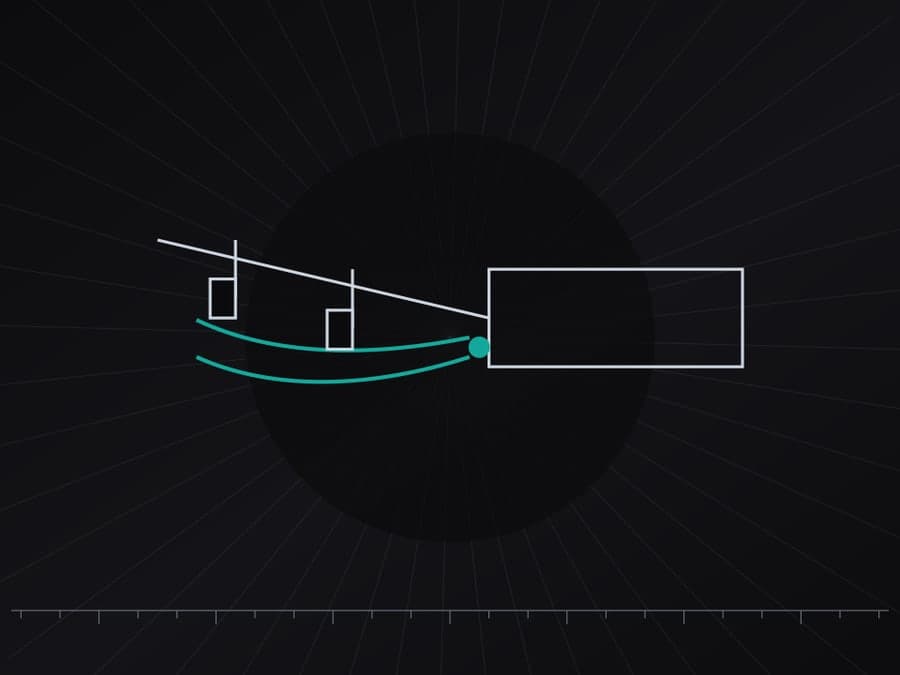
Sway control by steel-on-steel friction between the bars and their brackets, with no separate friction bar and nothing to remove before backing up. Available in round and trunnion bar versions, which is the detail to get right: trunnion for ground clearance, round for a lower-profile head.
Published specifications
- Trunnion bar models
- 4,500 / 6,000 / 8,000 / 10,000 / 12,000 lb gross trailer weight source
- Round bar models
- 6,000 / 8,000 / 10,000 lb gross trailer weight source
- Maximum tongue weight
- 450 / 600 / 800 / 1,000 / 1,200 lb, matched to the model's trailer rating source
- Hitch ball
- 2-5/16 in ball pre-installed on the 6,000, 8,000, 10,000 and 12,000 lb models; added separately on the 4,500 lb trunnion source
- Sway control
- Built in via rigid brackets - no chains or add-on bars to remove for backing, turning or wet weather source
What works
- Nothing to engage or disengage - friction is always working
- Sold in both round-bar and trunnion-bar versions for different A-frame heights
- Simple enough that a first-timer can set it up from the manual
What does not
- Friction surfaces must stay clean and un-greased, which is the opposite of most hitch maintenance habits
- Noisy in tight, slow turns
Skip it if
Avoid it if you tow mostly on dirt or gravel - grit on the friction faces is exactly what the design does not want.
#ad Affiliate link - we publish no price; Amazon shows the current one
Raw specifications: Fastway’s own page. We earn nothing on that link.
4. The easier-hitching alternative
Blue Ox SwayPro Weight Distribution Hitch
Blue Ox · Best for owners who hitch and unhitch often
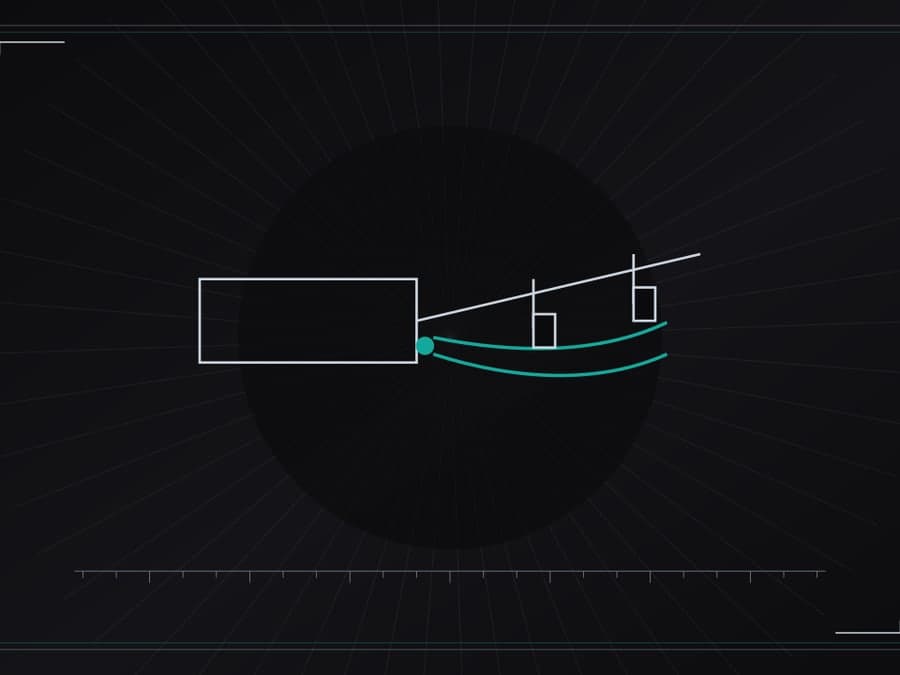
Underslung spring bars on clamp-on latches, which makes hitching faster than chain-and-snap-up systems and keeps the bars out of the way of a low A-frame. Blue Ox publishes the range in tongue-weight bands rather than one do-everything model, so the sizing decision is made before you buy.
Published specifications
What works
- Latches clamp on rather than needing chains snapped up under tension
- Sold in defined tongue-weight bands, which makes correct sizing the default
- Underslung bars clear low A-frames and front storage boxes
What does not
- Bar bands are narrow, so a big change in how you load the trailer can put you in the wrong band
- Clamp-on brackets are another part to keep clean and lubricated
Skip it if
Not the one if your loaded tongue weight sits near the top of a band - buy up a band, because a bar run at its limit transfers less than a bar running in the middle of its range.
#ad Affiliate link - we publish no price; Amazon shows the current one
Raw specifications: Blue Ox’s own page. We earn nothing on that link.
5. The other four-point
CURT TruTrack 4P Weight Distribution Hitch (10-15K)
CURT · Best for heavy travel trailers near 15,000 lb
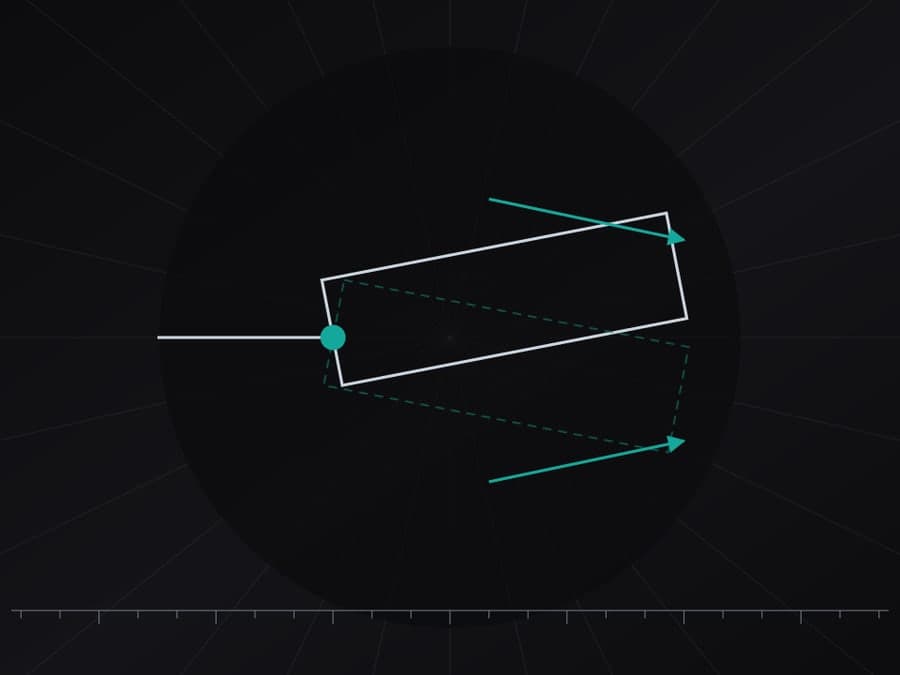
Four-point sway control with adjustable friction, rated to a 15,000 lb trailer and 1,500 lb tongue. The adjustability is the point: you can dial resistance up for a long, tall trailer and back it off for a short one, instead of living with whatever the geometry gives you.
Published specifications
What works
- Friction is adjustable rather than fixed by the geometry
- Rated range covers the tongue weights that half-ton trucks genuinely struggle with
- Limited lifetime warranty on the structure
What does not
- At 123.6 lb assembled it is a heavy thing to lift on and off a shank
- The 10,000 lb floor means it is over-specified for a small trailer
Skip it if
Wrong tool below about 10,000 lb gross trailer weight - under the rated floor the bars barely flex, so you get the weight penalty without the load transfer.
#ad Affiliate link - we publish no price; Amazon shows the current one
Raw specifications: CURT’s own page. We earn nothing on that link.
The verdict
The Strait-Line is the thinking person's sway control, and it earns that the honest way: the mechanism is genuinely different from the friction hitches it competes with, and the difference shows up exactly where buyers say it does - long trailers, crosswinds, wet roads. The published range covers 6,000 to 12,000 lb gross trailer weight with tongue limits at a clean ten percent, the hardware is properly specified, and it carries a limited lifetime warranty.
The price is setup effort and noise. There is more to position correctly than on a friction hitch, the cams clunk in maneuvering, and the kits are heavy. Add the two documentation traps - the 66074 ships without a shank, and Reese's own spec table disagrees with its own product description about whether that kit includes sway control - and this is a hitch that rewards a careful buyer and punishes a hurried one. If you want the same job done with fewer decisions, the head-to-head against the Equal-i-zer is the comparison to read, and the roundup of hitches with integrated sway control lays the whole class out side by side.
Key takeaways
- Cams hold the trailer straight and pull it back; friction only damps a swing already underway.
- Four published kits: 6,000 / 8,000 / 12,000 lb, plus a 12,000 lb version without a shank.
- Gross tongue weight is ten percent of capacity in every kit - buy to measured tongue weight.
- Part 66074 needs a separately rated shank, and the lower rating governs.
- Reese's spec table flags 66074 as not including sway control while its own description says it does - check the components list before ordering.
- Performance holds up wet, which is the clearest edge over friction designs.
- Expect cam clunk in slow maneuvering, and a fussier first setup than a friction hitch.
How we sourced this
Every figure on this page came from one of the following, each fetched while the page was written. Where a manufacturer or regulator does not publish a number, we say so rather than estimate it.
- REESE part 66074 - Strait-Line Active Sway Control Weight Distribution Kit, 12,000 lb capacity, published specifications
- REESE - Strait-Line weight distribution with Dual Cam sway control, published kit listing and per-part specifications
- Equal-i-zer 4-point sway control hitch - published model table (4K through 16K gross trailer weight with matching tongue weight ratings) and four-point friction description
- Fastway e2 hitch - published model tables for both bar styles (trunnion 4,500 to 12,000 lb, round bar 6,000 to 10,000 lb, each with its matching maximum tongue weight) and the built-in sway control description
- 49 CFR 567.4 - certification label content, including Gross Vehicle Weight Rating and Gross Axle Weight Rating
Common questions
- How is Dual Cam sway control different from friction sway control?
- Friction converts yaw into heat and slows a swing that has already started. The Dual Cam system seats into detents when the trailer is tracking straight, so yaw has to lift the cams out of position and geometry then pushes them back - a restoring force rather than a damping one. The practical difference is that cams are better at preventing a swing and friction is good at stopping one.
- Does the Reese Strait-Line come with a shank?
- Part 66074 is published as supplied without a shank, so you buy that separately and the lower of the two published ratings governs your setup. The Dual Cam II parts 66091, 66092 and 66093 are listed as complete kits. Confirm what is in the box with your seller before ordering.
- Which Strait-Line kit do I need?
- The one whose gross tongue weight is just above your measured loaded tongue weight. Reese publishes 600 lb on the 6,000 lb kit, 800 lb on the 8,000 lb kit and 1,200 lb on both 12,000 lb kits. Buying to the trailer's gross sticker instead of a measured tongue weight gives you oversized bars, which transfer harshly and ride badly.
- Do the cams make noise?
- Yes, and it is normal. The cams seat and unseat as you pull away and as you turn tightly, which is audible. Noise that appears suddenly in a straight line is something else - usually a loose ball, a worn shank or play in the receiver tube.
- Does a Dual Cam hitch work in the rain?
- This is its clearest advantage over a friction design. Because sway resistance comes from cam geometry rather than steel-on-steel friction, performance does not fall away when the brackets and bars get wet, and grit on the surfaces matters less than it does to a friction hitch.
More in Weight Distribution Hitches
A weight distribution hitch moves load off the back of your truck. Whether you need one is a number, not an opinion - and the number is on your door jamb.
Read next
Head to head
Equal-i-zer vs Reese Dual Cam
Always-on four-point friction versus cams that actively return the trailer to center - with the setup and noise trade-offs stated plainly.

Head to head
Sway Control Types Compared
Damping versus a restoring force versus always-on friction - what each mechanism does and when each one lets you down.
Best WD hitch overall
Best WD Hitch with Sway Control
Integrated sway control plus load transfer, compared on bar sizing granularity, ground clearance and how hard they are to set up alone.

How to
WD Hitch Setup Guide
The full setup sequence with the measurements that make it verifiable, plus how to read the symptoms of each wrong setting.
Found something out of date, or a figure you can source better than we did? Corrections get read first. How we research explains how these pages are put together, and contact is one click away.