Trailer Sway & Sway Control
Equal-i-zer 4-point vs Reese Dual Cam Sway Control
Both are respected, and they work on different principles. The right one depends on your trailer's length and where you tow it.
Disclosure: we earn a commission if you buy through the Amazon links on this page, at no extra cost to you. Commission never decides a verdict or a ranking position - read our editorial policy and affiliate disclosure.
Short answer
Choose Equal-i-zer if you want sway control that needs no thought once installed. Choose a Reese dual-cam system if you tow a long trailer in open, windy country and you are willing to get the cam positioning right.
The mechanical difference in one paragraph
Equal-i-zer builds friction into four points of the hitch itself - both spring bar sockets in the head and both L-brackets on the trailer frame. Resistance is constant and symmetrical. Reese's dual cam system uses cam arms that cradle the spring bars in a detent when the trailer is straight; moving off center means lifting the bars out of that detent, and the bar tension then pushes them back in. One resists movement; the other prefers a position.
What that means on the road
| Equal-i-zer 4-point | Reese dual cam | |
|---|---|---|
| Type of resistance | Constant friction | Position-seeking cams |
| Crosswind behavior | Damps, returns slowly | Actively pulls back to center |
| Setup sensitivity | Bracket height and bar angle | Cam position, bracket height and bar angle |
| Reverse | Stays engaged | Stays engaged |
| Noise character | Creak and rattle in slow turns | Clunk as cams seat on pull-away |
| Maintenance | Keep friction faces clean and un-greased | Inspect cam ramps and detents for wear |
Quick picks
Tap any row to jump to the full write-up. How these are chosen - and what we do and do not claim to know - is published in full on our research methodology page.
| # | Product | Best for | Our read | Price |
|---|---|---|---|---|
| 1 |  Equal-i-zer 4-point Sway Control Hitch Simpler to live with | Travel trailers that already sway | Nothing to position, nothing to forget | Check price on Amazon #ad Affiliate link - we publish no price; Amazon shows the current one |
| 2 | 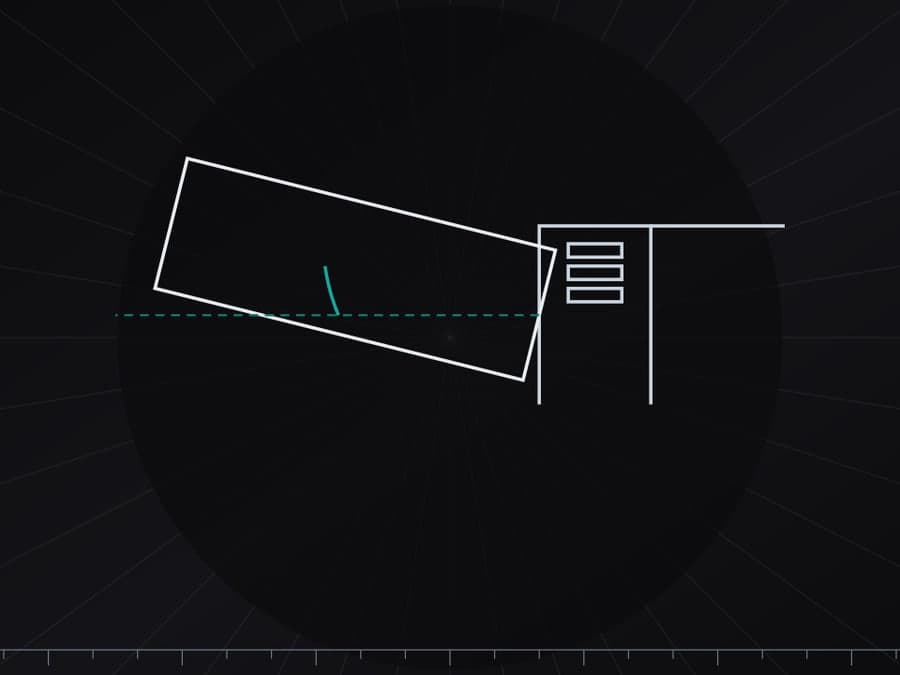 Reese Strait-Line Weight Distribution Hitch with Dual Cam Sway Control Stronger in crosswinds | Long trailers in crosswinds | Restoring force, not just damping | Check price on Amazon #ad Affiliate link - we publish no price; Amazon shows the current one |
The honest trade
Equal-i-zer's advantage is that there is one assembly and one setup. Its cost is noise - a rattle and creak at parking-lot speeds that generates a steady stream of worried questions from new owners, and which is simply how it works.
Reese's advantage is the restoring force, which is a genuinely different thing from damping when you are being pushed sideways for twenty miles at a time. Its cost is setup: the cams have to sit correctly relative to the spring bars, and a cam system set up carelessly is worse than a simpler hitch set up well.
1. Simpler to live with
Equal-i-zer 4-point Sway Control Hitch
Equal-i-zer · Best for travel trailers that already sway
The reference point for integrated sway control. Friction happens at four places at once - both L-brackets and both sockets - so resistance is always on rather than something you remember to engage. Setup is bracket-height and bar-angle work, and it rattles; both are the price of a system with no separate parts to forget.
We have not sourced a full specification table for this model from the manufacturer’s own site at a stable address. Rather than repeat figures we cannot cite, the assessment above is limited to what the design and the maker’s published description genuinely establish.
What works
- Sway resistance is built into the geometry, so there is nothing to connect or disconnect at the ramp
- Works in reverse and in the wet, unlike a friction bar you have to release
- One assembly rather than a hitch plus a bolt-on sway bar
What does not
- Audible rattle and creak at low speed is normal and surprises first-time owners
- Bracket height and bar angle have to be set properly or the sway control does little
Skip it if
Skip it if your loaded tongue weight sits well inside your receiver's weight-carrying rating and the truck stays level - you would be buying hardware to solve a problem you do not have.
#ad Affiliate link - we publish no price; Amazon shows the current one
Raw specifications: Equal-i-zer’s own page. We earn nothing on that link.
2. Stronger in crosswinds
Reese Strait-Line Weight Distribution Hitch with Dual Cam Sway Control
Reese · Best for long trailers in crosswinds
Dual-cam sway control works differently from friction: the cams hold the trailer in the straight-ahead position and have to be pushed out of it, then they pull it back. That is a restoring force rather than a damping one, and it is the reason people who tow long trailers in crosswinds keep choosing it.
We have not sourced a full specification table for this model from the manufacturer’s own site at a stable address. Rather than repeat figures we cannot cite, the assessment above is limited to what the design and the maker’s published description genuinely establish.
What works
- Cams actively return the trailer to center instead of only resisting movement
- Performance does not fall off when the friction surfaces get wet
- Well-understood system with decades of setup documentation behind it
What does not
- More parts to position correctly at setup than a single-friction system
- Cams can clunk as they seat when you pull away
Skip it if
Skip it on a short, light trailer - the cam system is aimed at trailers long enough to generate real yaw, and on a small utility trailer it is complexity for nothing.
#ad Affiliate link - we publish no price; Amazon shows the current one
Raw specifications: Reese’s own page. We earn nothing on that link.
Key takeaways
- Equal-i-zer: constant four-point friction, simpler setup, noisier.
- Reese dual cam: a restoring force that suits long trailers in sustained crosswind, with more setup to get right.
- Both stay engaged in reverse, unlike a single friction bar.
- Both depend on correct spring bar sizing and correct tongue weight.
How we sourced this
Every figure on this page came from one of the following, each fetched while the page was written. Where a manufacturer or regulator does not publish a number, we say so rather than estimate it.
Common questions
- Is the Equal-i-zer rattle a fault?
- No. The friction surfaces that provide sway control are steel on steel, and they make noise in slow, tight turns. Greasing them to quiet it would remove the sway control.
- Can a dual-cam system be retrofitted to another hitch?
- Cam kits are designed around specific hitch heads and bar profiles. Mixing brands is not something we would do without the manufacturer confirming compatibility in writing.
- Which is better for a short trailer?
- Four-point. Cam systems are aimed at trailers long enough to generate meaningful yaw; on a short trailer the extra setup buys little.
More in Trailer Sway & Sway Control
Sway is almost never a mystery. It comes down to tongue weight, load position or speed - and only one of those three costs money to fix.
Read next
Best for stopping sway
Best Sway Control Hitches
Integrated four-point, cam-based and friction systems compared by how they behave in reverse, in rain, and when you forget a step.

Head to head
Sway Control Types Compared
Damping versus a restoring force versus always-on friction - what each mechanism does and when each one lets you down.
Head to head
SwayPro vs Equal-i-zer
Underslung clamp-on bars versus four-point friction, compared on hitching time, bar sizing granularity and ground clearance.

Head to head
Round Bar vs Trunnion Bar
Ground clearance, A-frame fit and capacity ceilings compared - the three things that actually separate the two bar styles.
Found something out of date, or a figure you can source better than we did? Corrections get read first. How we research explains how these pages are put together, and contact is one click away.