Hitches, Receivers & Ball Mounts
Ball Mount vs Hitch Ball
One sets the height, one fits the coupler. They are bought separately, rated separately, and confused constantly.
Disclosure: we earn a commission if you buy through the Amazon links on this page, at no extra cost to you. Commission never decides a verdict or a ranking position - read our editorial policy and affiliate disclosure.
Short answer
The ball mount is the steel part that slides into the receiver and sets the ball's height. The ball bolts through it and must match the trailer's coupler. Each has its own rating and your capacity is the lower of the two.
What each one is chosen for
- The ball mount is chosen by height. Measure the drop or rise you need with the trailer level. This is the decision people skip, and it is the one that affects how the trailer tows.
- The ball is chosen by the coupler. The size is stamped on the trailer. There is no judgment here.
- Both are chosen by rating. The mount's gross trailer weight figure and the ball's own capacity both apply, and the lower one governs.
The ratings interact in a way people miss
CURT's adjustable channel mount publishes a 14,000 lb gross rating overall, but with the 2 in ball it is rated 10,000 lb and with the 2-5/16 in ball 14,000 lb. Same mount, different capacity, depending on which ball you fit. Separately, CURT's standalone 2 in stainless ball is published at 6,000 lb - which would govern if you fitted that ball to that mount.
Quick picks
Tap any row to jump to the full write-up. How these are chosen - and what we do and do not claim to know - is published in full on our research methodology page.
| # | Product | Best for | Our read | Price |
|---|---|---|---|---|
| 1 | 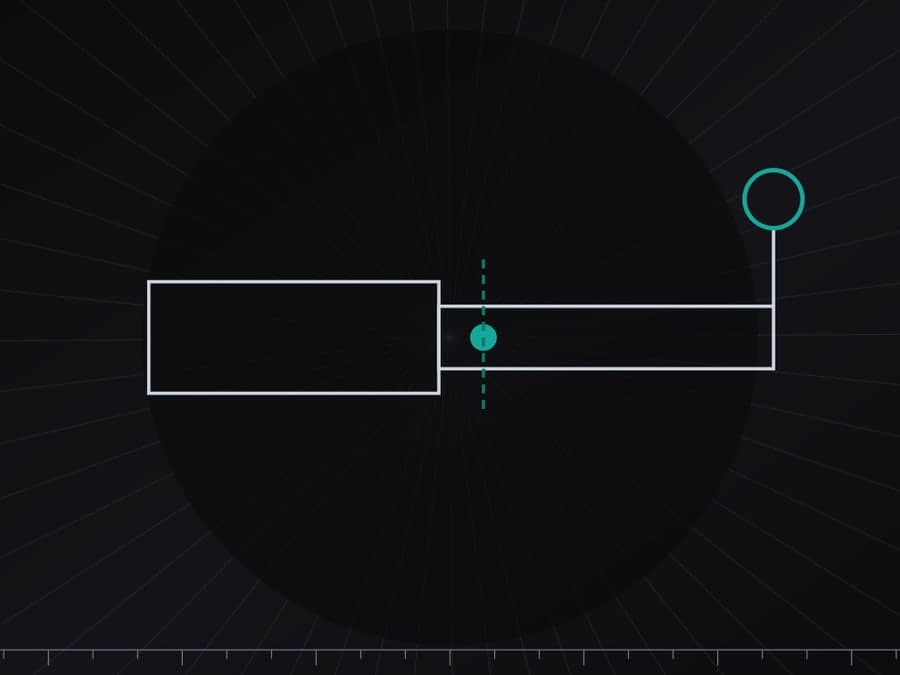 CURT Loaded Ball Mount with 2 in Ball (2 in drop, 7,500 lb) Both in one | One trailer at a known height | Ball pre-fitted, no torque step | Check price on Amazon #ad Affiliate link - we publish no price; Amazon shows the current one |
| 2 | 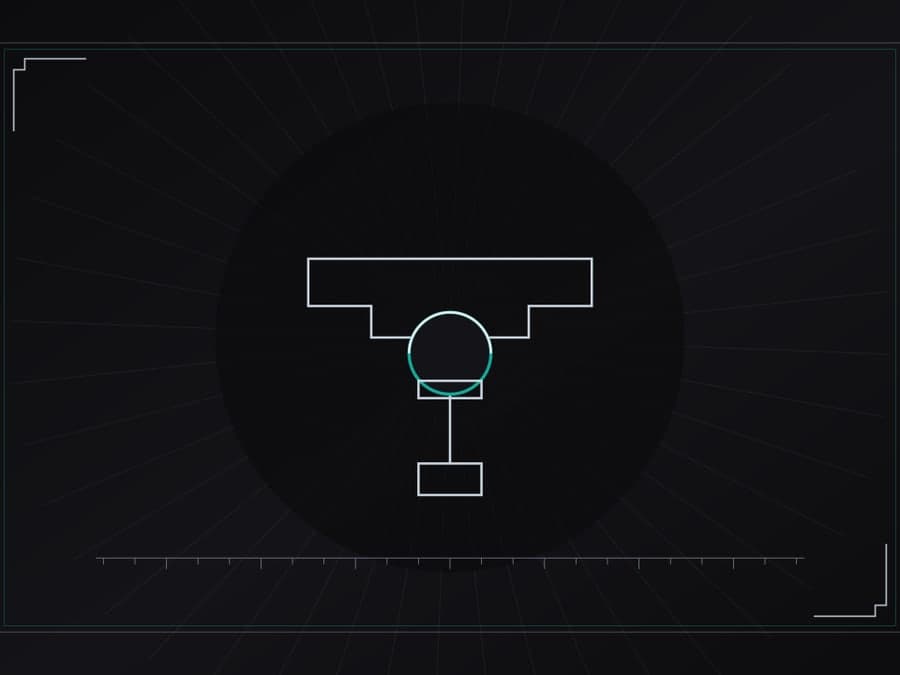 CURT 2 in Stainless Trailer Ball (1 in shank, 6,000 lb) Ball alone | Replacing a worn or wrong-size ball | 6,000 lb, 1 in shank, 250 ft-lb | Check price on Amazon #ad Affiliate link - we publish no price; Amazon shows the current one |
| 3 |  CURT Adjustable Channel Mount with Dual Ball (2 in shank, 6 in drop) Mount with two balls | Garages with several trailers | 10,000 and 14,000 lb depending on ball | Check price on Amazon #ad Affiliate link - we publish no price; Amazon shows the current one |
1. Both in one
CURT Loaded Ball Mount with 2 in Ball (2 in drop, 7,500 lb)
CURT · Best for one trailer at a known height
A one-piece mount with the ball already fitted and torqued, rated to 7,500 lb gross and 750 lb tongue with a 2 in drop. Nothing adjusts, which is exactly why nothing rattles or works loose.
Published specifications
What works
- Arrives with the ball fitted, so there is no torque step to get wrong
- One piece means nothing to loosen or rattle
- Light enough to leave in the receiver or throw in a toolbox
What does not
- The 2 in drop is the only drop - measure before you buy
- 7,500 lb ceiling rules out heavier trailers
Skip it if
Useless on a lifted truck, where a 2 in drop will still leave the trailer nose-high and the weight on the rear axle of the trailer.
#ad Affiliate link - we publish no price; Amazon shows the current one
Raw specifications: CURT’s own page. We earn nothing on that link.
2. Ball alone
CURT 2 in Stainless Trailer Ball (1 in shank, 6,000 lb)
CURT · Best for replacing a worn or wrong-size ball
A replacement 2 in ball on a 1 in shank, rated to 6,000 lb, with a published torque figure of 250 ft-lb. That torque number is the reason to buy a ball from a manufacturer that publishes specs: an under-torqued ball nut is a genuine failure mode.
Published specifications
What works
- Published torque specification, which many balls do not come with
- Stainless finish survives a boat ramp better than plain zinc
- Correct shank sizing is spelled out rather than assumed
What does not
- 6,000 lb ceiling is below what many 2 in couplers are rated to carry
- Needs a torque wrench to fit properly, which many people do not own
Skip it if
Not enough ball if your coupler is rated above 6,000 lb - match the ball to the coupler's rating, not to the hole in your mount.
#ad Affiliate link - we publish no price; Amazon shows the current one
Raw specifications: CURT’s own page. We earn nothing on that link.
3. Mount with two balls
CURT Adjustable Channel Mount with Dual Ball (2 in shank, 6 in drop)
CURT · Best for garages with several trailers
One mount that covers two ball sizes and a range of heights, which is the answer when the garage contains a boat trailer, a utility trailer and a camper that all sit at different heights. Capacity drops to the lower-rated ball you are actually using.
Published specifications
What works
- Two ball sizes and a height range in a single mount
- Flipping it gives rise as well as drop
- Rated to 14,000 lb on the larger ball
What does not
- Heavy, and more joints means more places for rattle to start
- The pins and bolts need checking for torque, unlike a one-piece mount
Skip it if
Pointless if you own one trailer and tow it with one truck - a fixed mount at the right height is lighter, quieter and cheaper.
#ad Affiliate link - we publish no price; Amazon shows the current one
Raw specifications: CURT’s own page. We earn nothing on that link.
Fitting a ball properly
If you are fitting your own
Match the shank to the hole
Shank diameter must match the mount's hole, and shank length must suit the mount's thickness plus washer and nut.
Clean both surfaces
Any grit between the ball's shoulder and the mount's platform becomes a gap once it crushes, and a gap becomes a loose nut.
Fit the washer and nut as supplied
Use the hardware that came with the ball, not whatever is in the drawer.
Torque to the published figure
With a torque wrench that reaches it. Then re-check after the first tow and periodically afterwards.
Key takeaways
- Mount is chosen by height; ball is chosen by the coupler stamp.
- Both have ratings and the lower one governs.
- The same mount can have two different capacities with two different balls.
- Mounting torque is in the hundreds of ft-lb, and it is where DIY fitting fails.
How we sourced this
Every figure on this page came from one of the following, each fetched while the page was written. Where a manufacturer or regulator does not publish a number, we say so rather than estimate it.
Common questions
- Can I reuse an old ball on a new mount?
- If it is the right size, unworn, and the shank suits the new mount's hole and thickness - yes, and torque it properly. Inspect the contact band for flats and scoring first.
- Why is my ball nut loose again?
- Usually it was never torqued to specification, or grit between the ball shoulder and the mount has crushed. Clean, re-fit and torque properly.
- Does the ball's rating or the mount's rating apply?
- The lower of the two, together with the receiver's and the coupler's. Four ratings, and the smallest wins.
More in Hitches, Receivers & Ball Mounts
Class, receiver size, ball diameter, drop. Four numbers decide whether your setup is right, and three of them are stamped on parts you already own.
Read next
Reference
Trailer Ball Sizes
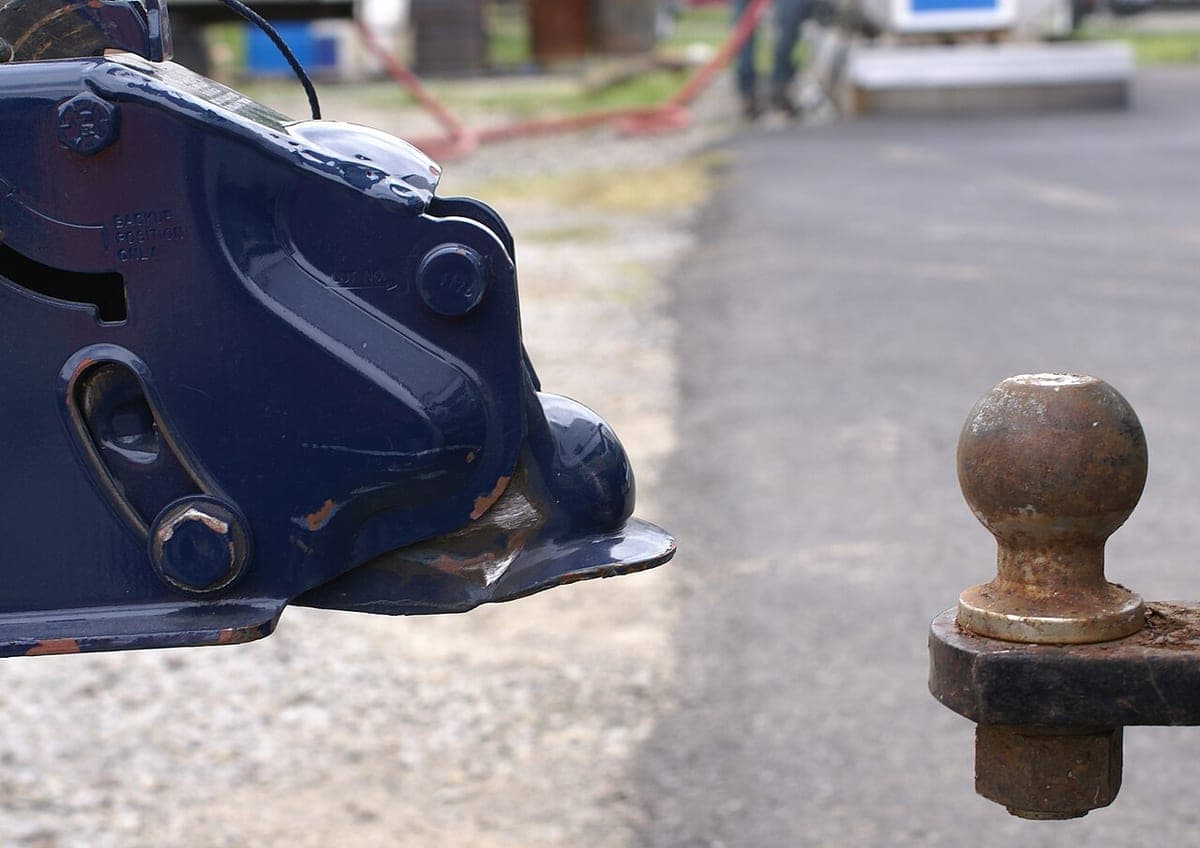
The three standard ball diameters, how shank dimensions work, and why mounting torque is a specification rather than a suggestion.
Best ball mount
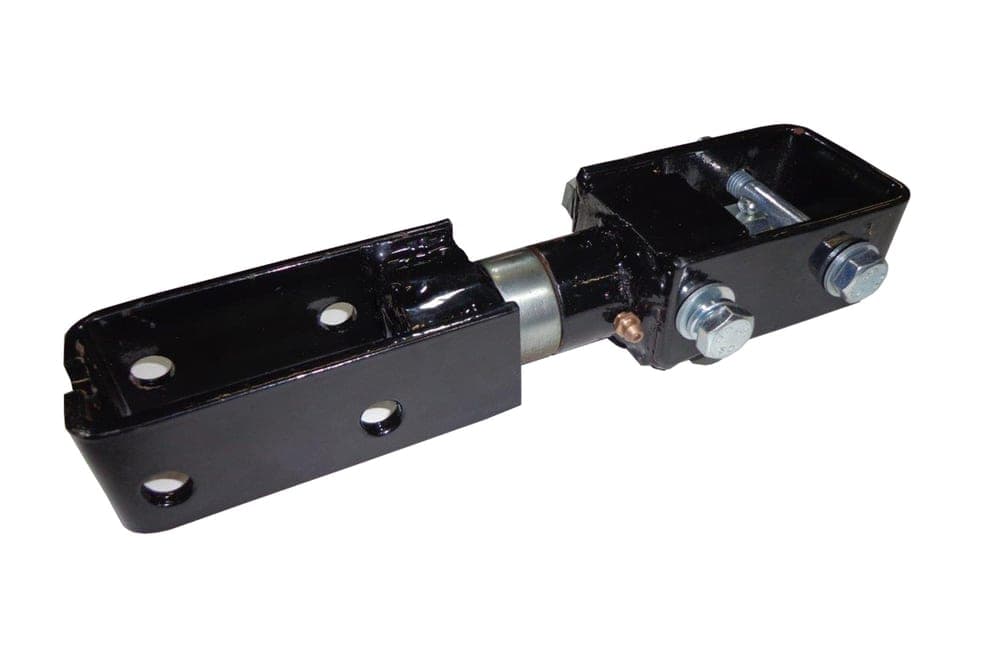
Best Ball Mounts
Fixed, adjustable, stowing and scale-equipped mounts compared on drop range, capacity and how much they rattle.
Head to head
Hitch vs Receiver
A plain-language glossary of the hitch assembly, so that part diagrams and forum advice stop contradicting each other.
Guide
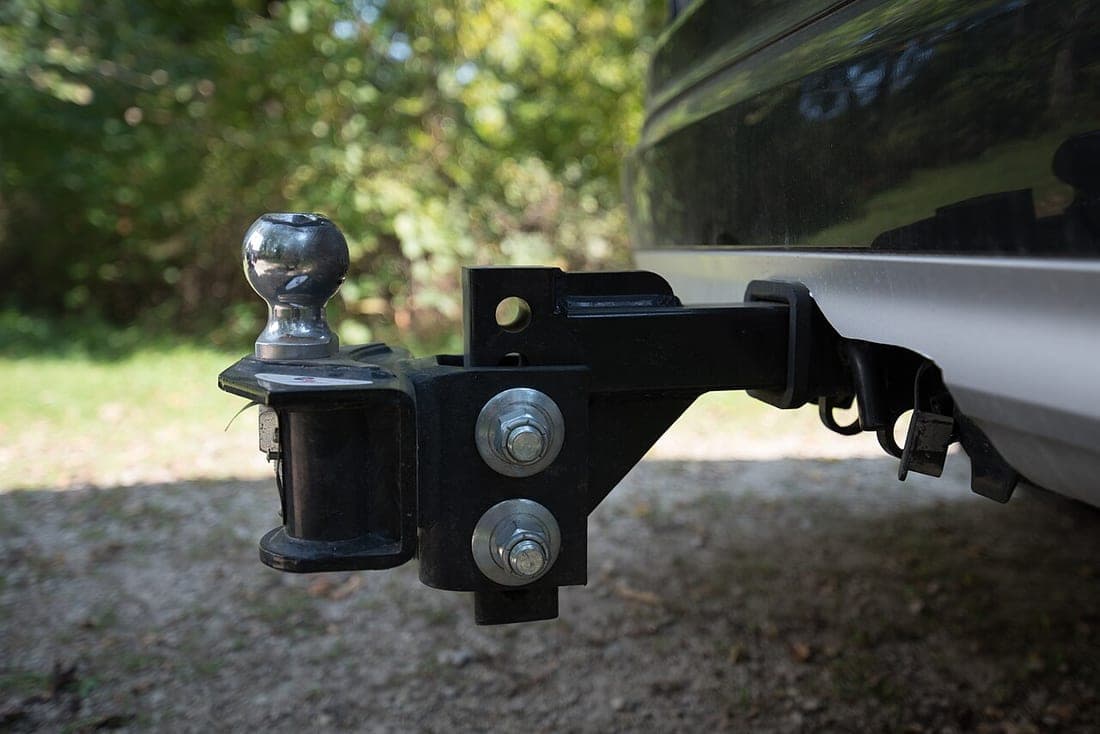
Adjustable Ball Mounts
How channel-style adjustable mounts work, what to check before each tow, and when a fixed mount is simply better.
Found something out of date, or a figure you can source better than we did? Corrections get read first. How we research explains how these pages are put together, and contact is one click away.