Hitches, Receivers & Ball Mounts
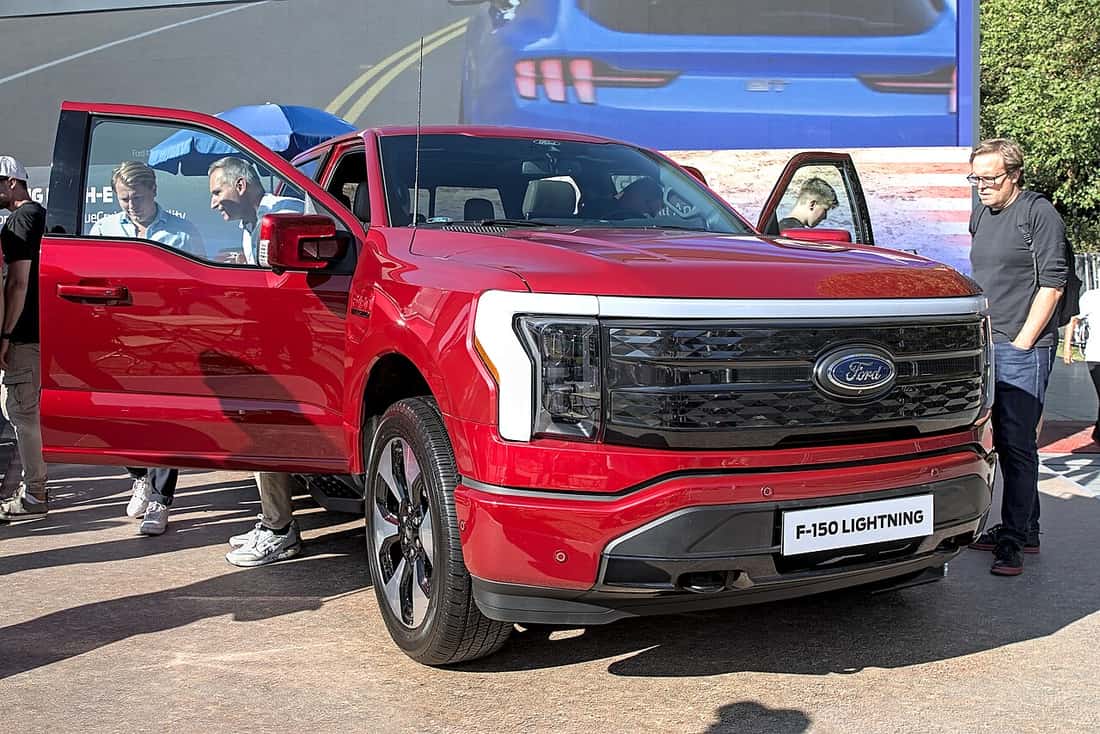
The Best Hitch Setup for a Ford F-150
If your F-150 has the tow package, the receiver question is answered. What goes in it is still yours to decide.
Disclosure: we earn a commission if you buy through the Amazon links on this page, at no extra cost to you. Commission never decides a verdict or a ranking position - read our editorial policy and affiliate disclosure.
How we assessed these: We publish no vehicle fitment or capacity data. Confirm your receiver's rating from the label on the receiver itself, and confirm capacity figures from your own owner's manual.
Short answer
Most F-150s with a factory tow package already carry a 2 in receiver, so the purchase is the ball mount, the ball and the pin. Measure the drop with the trailer level before choosing a mount.
Check the receiver you have before buying one
Look under the bumper. If there is a square 2 in opening with a rating label, you have a receiver and you do not need another. The label matters more than the tube: it carries both a weight-carrying and a weight-distributing rating, and those two numbers drive every other decision - including whether you need a weight distribution hitch.
The drop measurement
F-150 ride heights vary with suspension, tires and trim. That is why a drop recommendation by model year is useless and a tape measure is not. Trailer level on its jack, measure ground to coupler bottom; measure ground to the top of the receiver tube; the difference is your drop, less about an inch for settling.
Quick picks
Tap any row to jump to the full write-up. How these are chosen - and what we do and do not claim to know - is published in full on our research methodology page.
| # | Product | Best for | Our read | Price |
|---|---|---|---|---|
| 1 |  CURT Adjustable Channel Mount with Dual Ball (2 in shank, 6 in drop) Best overall | Garages with several trailers | Covers multiple trailers at multiple heights | Check price on Amazon #ad Affiliate link - we publish no price; Amazon shows the current one |
| 2 | 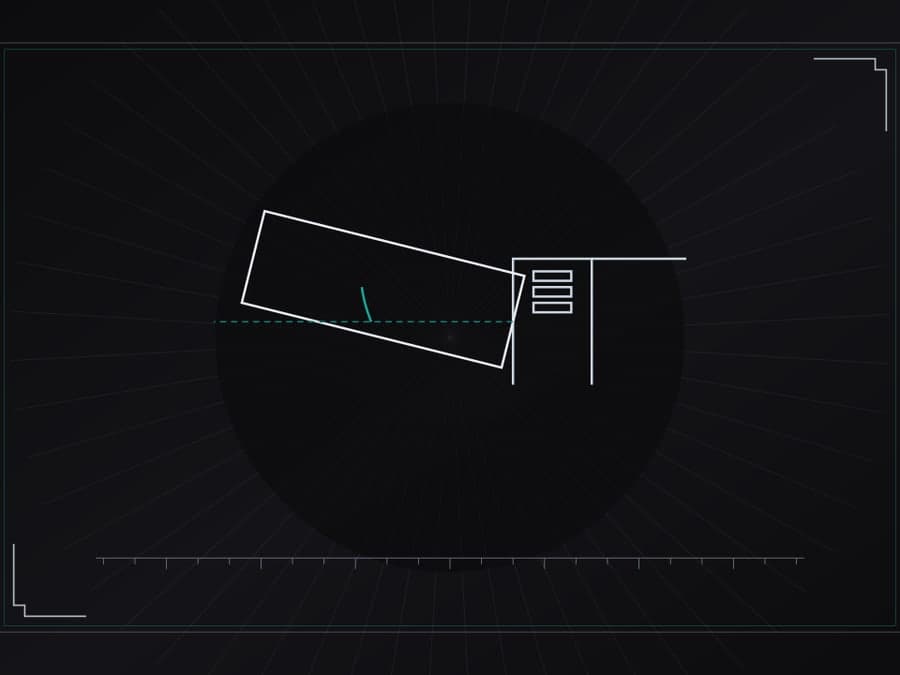 B&W Tow & Stow Adjustable Ball Mount Best for a daily driver | Daily drivers that tow occasionally | Folds away between trips | Check price on Amazon #ad Affiliate link - we publish no price; Amazon shows the current one |
| 3 | 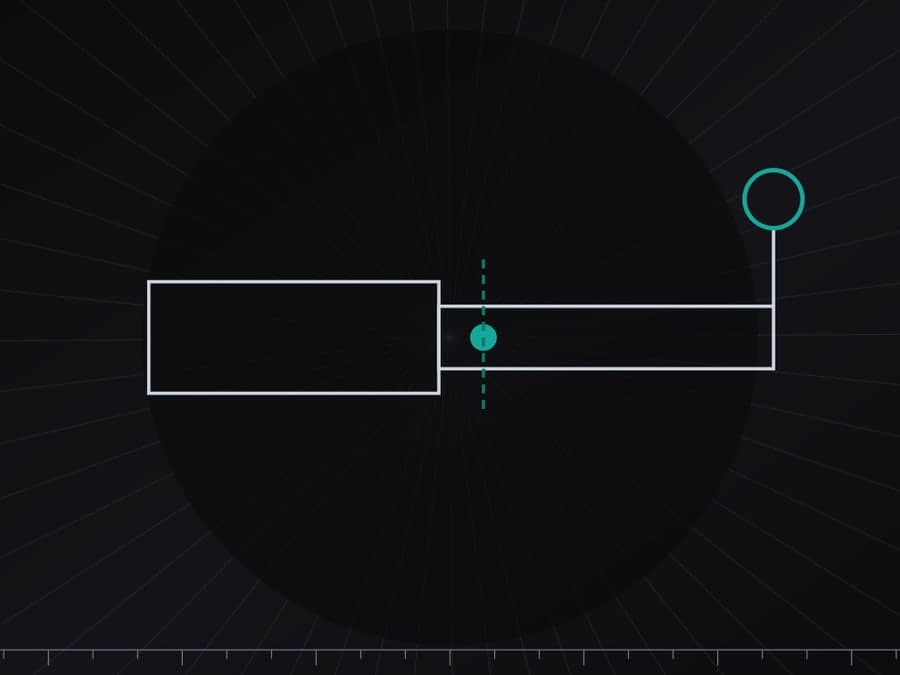 CURT Loaded Ball Mount with 2 in Ball (2 in drop, 7,500 lb) Best single-trailer buy | One trailer at a known height | One piece, 7,500 lb, 2 in drop | Check price on Amazon #ad Affiliate link - we publish no price; Amazon shows the current one |
| 4 | 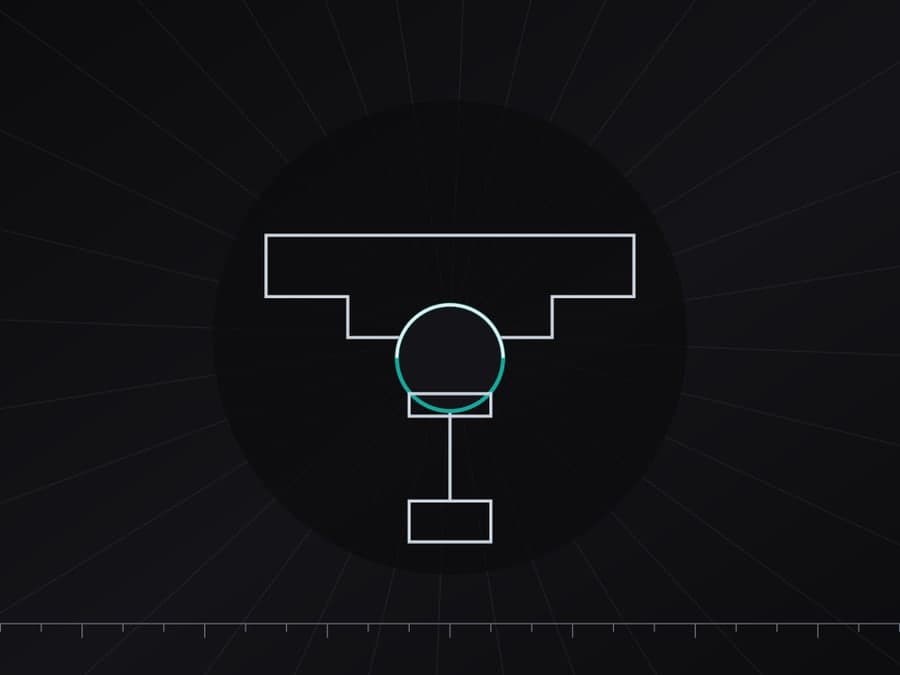 CURT Anti-Rattle Hitch Pin and Shim (2 in receiver) Fix the clunk | Killing receiver rattle | Shim takes up the receiver gap | Check price on Amazon #ad Affiliate link - we publish no price; Amazon shows the current one |
1. Best overall
CURT Adjustable Channel Mount with Dual Ball (2 in shank, 6 in drop)
CURT · Best for garages with several trailers
One mount that covers two ball sizes and a range of heights, which is the answer when the garage contains a boat trailer, a utility trailer and a camper that all sit at different heights. Capacity drops to the lower-rated ball you are actually using.
Published specifications
What works
- Two ball sizes and a height range in a single mount
- Flipping it gives rise as well as drop
- Rated to 14,000 lb on the larger ball
What does not
- Heavy, and more joints means more places for rattle to start
- The pins and bolts need checking for torque, unlike a one-piece mount
Skip it if
Pointless if you own one trailer and tow it with one truck - a fixed mount at the right height is lighter, quieter and cheaper.
#ad Affiliate link - we publish no price; Amazon shows the current one
Raw specifications: CURT’s own page. We earn nothing on that link.
2. Best for a daily driver
B&W Tow & Stow Adjustable Ball Mount
B&W Trailer Hitches · Best for daily drivers that tow occasionally
Two balls on a pivoting head that tucks up under the bumper when nothing is attached, which is the part owners actually rave about - no more shin-height steel bar in a parking lot. Height adjusts in pin increments rather than continuously.
We have not sourced a full specification table for this model from the manufacturer’s own site at a stable address. Rather than repeat figures we cannot cite, the assessment above is limited to what the design and the maker’s published description genuinely establish.
What works
- Stows up out of the way instead of projecting behind the bumper
- Two ball sizes on one head, flipped rather than swapped
- Solid, heavily built, and quiet when pinned correctly
What does not
- Heavy to handle and to store
- Height steps are fixed by the pin holes, so an exact level may not be available
Skip it if
Not the right buy if you need a precise level height - a continuously adjustable channel mount will get closer than pin increments will.
#ad Affiliate link - we publish no price; Amazon shows the current one
Raw specifications: B&W Trailer Hitches’s own page. We earn nothing on that link.
3. Best single-trailer buy
CURT Loaded Ball Mount with 2 in Ball (2 in drop, 7,500 lb)
CURT · Best for one trailer at a known height
A one-piece mount with the ball already fitted and torqued, rated to 7,500 lb gross and 750 lb tongue with a 2 in drop. Nothing adjusts, which is exactly why nothing rattles or works loose.
Published specifications
What works
- Arrives with the ball fitted, so there is no torque step to get wrong
- One piece means nothing to loosen or rattle
- Light enough to leave in the receiver or throw in a toolbox
What does not
- The 2 in drop is the only drop - measure before you buy
- 7,500 lb ceiling rules out heavier trailers
Skip it if
Useless on a lifted truck, where a 2 in drop will still leave the trailer nose-high and the weight on the rear axle of the trailer.
#ad Affiliate link - we publish no price; Amazon shows the current one
Raw specifications: CURT’s own page. We earn nothing on that link.
4. Fix the clunk
CURT Anti-Rattle Hitch Pin and Shim (2 in receiver)
CURT · Best for killing receiver rattle
A pin plus a wedge shim that takes the slop out of the gap between a 2 in mount and a 2 in receiver. That gap is a manufacturing tolerance, not a fault, and this is the cheapest thing on the whole site that fixes a real, daily annoyance.
Published specifications
What works
- Removes the clunk over expansion joints for very little money
- Fits in a glovebox and transfers between vehicles
- No modification to the receiver or the mount
What does not
- Does nothing about rattle originating at the coupler or the sway bar
- Listed as superseded, so check the current item number
Skip it if
Not the fix if the noise is coming from a loose ball nut or a worn coupler - find the source first, because a shim will just mask it.
#ad Affiliate link - we publish no price; Amazon shows the current one
Raw specifications: CURT’s own page. We earn nothing on that link.
Key takeaways
- Check for an existing receiver before buying anything.
- The rating label on the receiver is the number that matters, not the tube size.
- Measure the drop - F-150 ride heights vary too much for a generic recommendation.
- An anti-rattle pin is the cheapest improvement on the list.
How we sourced this
Every figure on this page came from one of the following, each fetched while the page was written. Where a manufacturer or regulator does not publish a number, we say so rather than estimate it.
- CURT adjustable channel mount with dual ball - published specifications (part 45900)
- CURT loaded ball mount, 2 in ball, 2 in drop - published specifications (part 45036)
- CURT anti-rattle hitch pin and shim - published specifications (part 22321)
- 49 CFR 567.4 - certification label content, including Gross Vehicle Weight Rating and Gross Axle Weight Rating
Common questions
- Does my F-150 already have a hitch?
- If it was ordered with a tow package, almost certainly - a 2 in receiver under the rear bumper with a rating label. Trucks without the package may have a bumper ball hole instead, which is a much lower rating.
- Can I tow from the bumper hole?
- Only within the bumper's own rating, which is typically far lower than a frame-mounted receiver's. It is stamped on the bumper. For anything substantial, use a receiver.
- What ball size does an F-150 need?
- The vehicle does not determine the ball size - the trailer's coupler does. Read the stamp on the coupler.
More in Hitches, Receivers & Ball Mounts
Class, receiver size, ball diameter, drop. Four numbers decide whether your setup is right, and three of them are stamped on parts you already own.
Read next
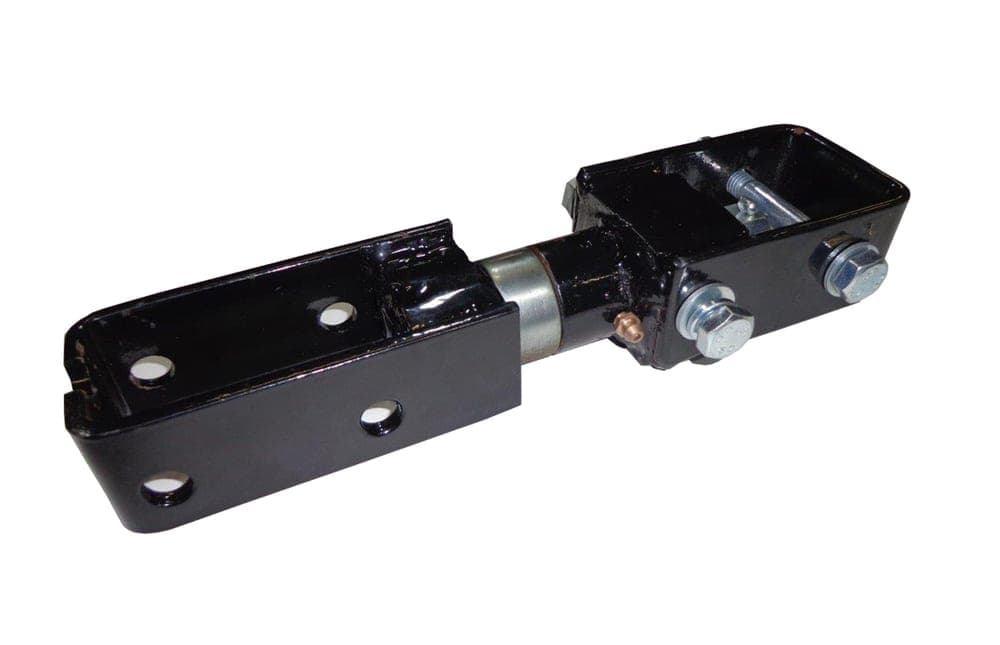
Best hitch hardware
Best Trailer Hitches
What to buy for a 2 in receiver - mounts, balls, pins and anti-rattle hardware - and how to get the vehicle-specific receiver right.
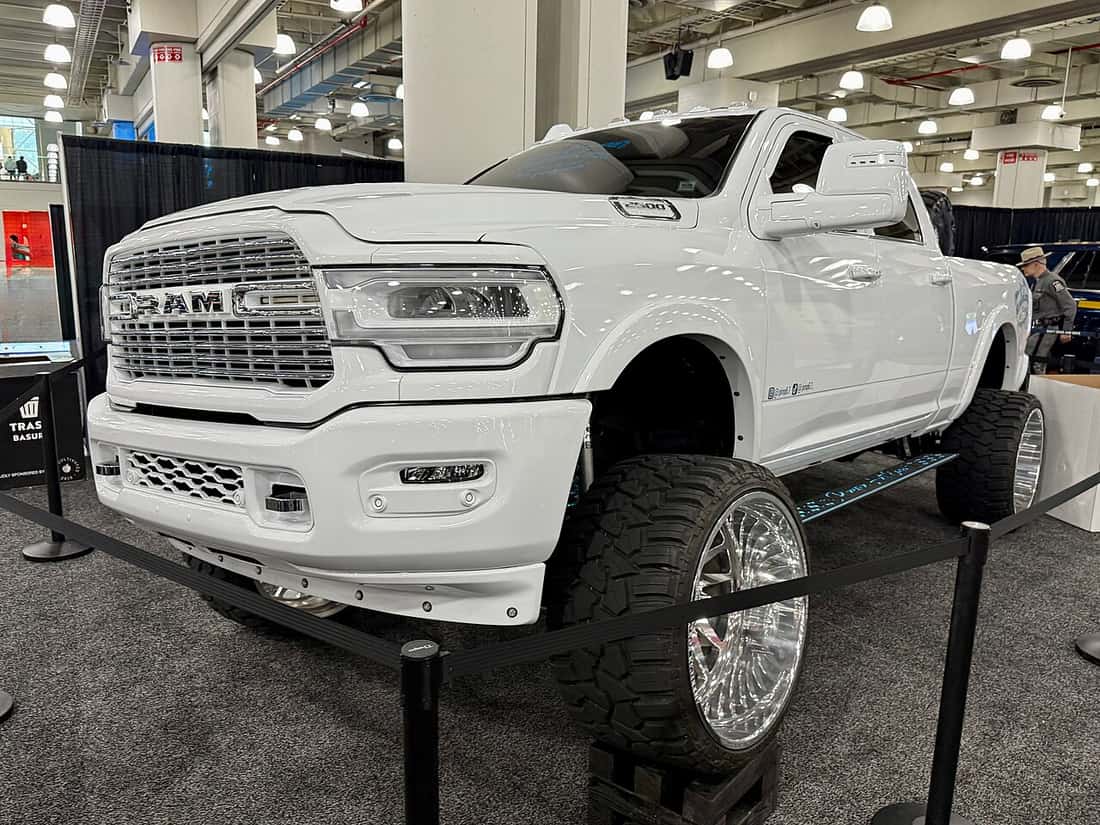
Reference
Receiver Size by Truck
A method rather than a lookup table: how to establish your receiver's size, pin hole and rating from the vehicle itself.
Best for the F-150
Best WD Hitch for F-150
Hitch picks for F-150 owners, with the payload-first method that matters more than the model year.
Guide
Drop Hitches for Lifted Trucks
Why a lift creates a towing problem, how to measure the drop you now need, and the extended-drop options available.
Found something out of date, or a figure you can source better than we did? Corrections get read first. How we research explains how these pages are put together, and contact is one click away.