Weight Distribution Hitches
Round Bar vs Trunnion Bar Spring Bars
Both transfer load the same way. They differ in where they sit, how much clearance you keep, and what they cost.

Disclosure: we earn a commission if you buy through the Amazon links on this page, at no extra cost to you. Commission never decides a verdict or a ranking position - read our editorial policy and affiliate disclosure.
Short answer
Round bars hang below the hitch head and give less ground clearance; trunnion bars slot in horizontally and give more. Load transfer is equivalent at the same rating. Choose on clearance, A-frame space and cost.
The physical difference
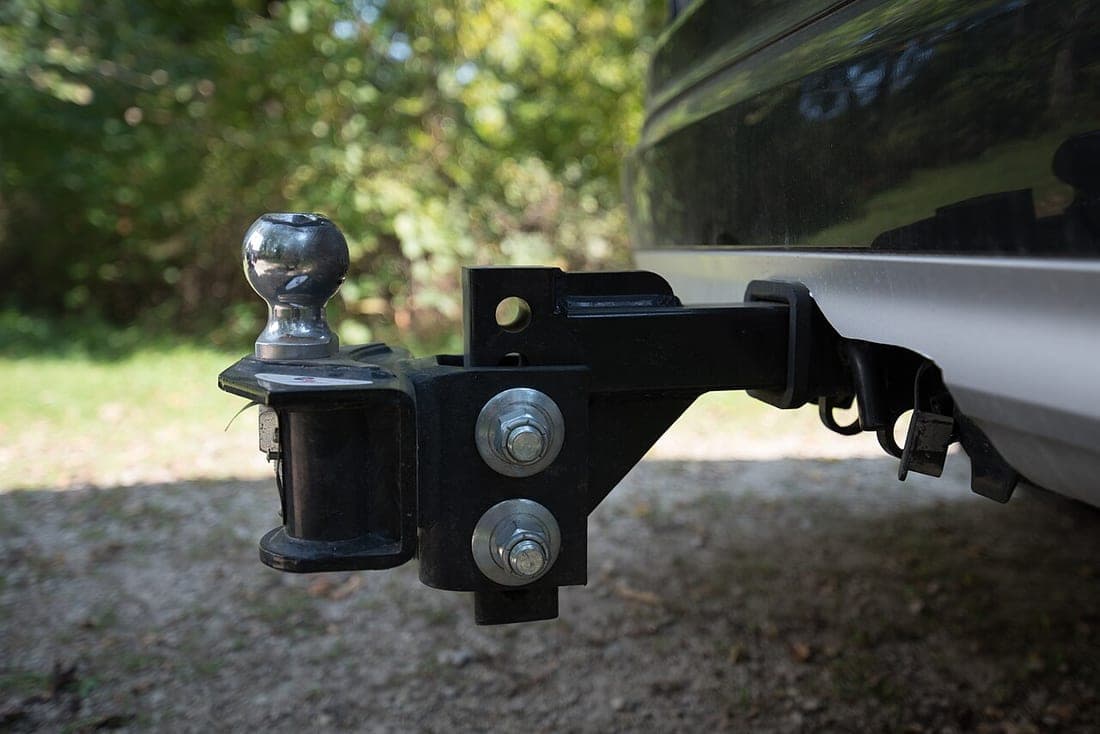
A round bar has a forged ball-shaped end that drops into a socket in the hitch head from above, so the bar hangs below the head. A trunnion bar has a squared end that slides into a slot in the head horizontally, so the bar sits at roughly head height. Everything else follows from that geometry.
| Round bar | Trunnion bar | |
|---|---|---|
| Ground clearance | Lower - the bar is the lowest point | Higher |
| Space needed ahead of the coupler | Less | More |
| Typical capacity ceiling | Lower | Higher |
| Cost | Generally lower | Generally higher |
| Bar removal | Lift out of the socket | Slide out of the slot |
| Suits | Lighter trailers, crowded A-frames | Heavier trailers, steep driveways |
Which problem are you solving?
- Steep driveway, ferry ramp, or a sharp dip at the end of your road. Trunnion. A round bar is the first thing to touch down and it will find that transition every single time.
- Crowded A-frame with propane bottles and a battery box close to the coupler. Round bars generally need less room ahead of the coupler. Measure before ordering either.
- Heavier trailer near the top of the range. Trunnion bars tend to be offered at the higher capacities, which is often what decides it without any thought about clearance.
- Budget is the constraint and the driveway is flat. Round bar. The transfer performance is not the thing you are giving up.
Quick picks
Tap any row to jump to the full write-up. How these are chosen - and what we do and do not claim to know - is published in full on our research methodology page.
| # | Product | Best for | Our read | Price |
|---|---|---|---|---|
| 1 |  CURT Round Bar Weight Distribution Hitch with Sway Control (14K) Round bar | Mid-size travel trailers | Lower cost, lower clearance, 14,000 lb gross | Check price on Amazon #ad Affiliate link - we publish no price; Amazon shows the current one |
| 2 | 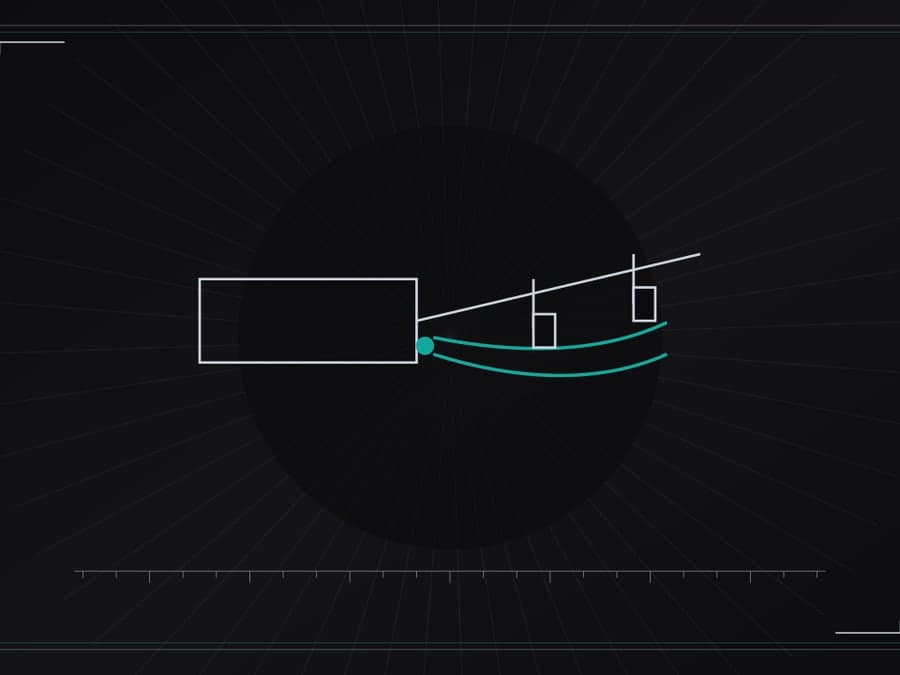 Blue Ox SwayPro Weight Distribution Hitch Underslung | Owners who hitch and unhitch often | Clears low A-frames and front boxes | Check price on Amazon #ad Affiliate link - we publish no price; Amazon shows the current one |
| 3 | 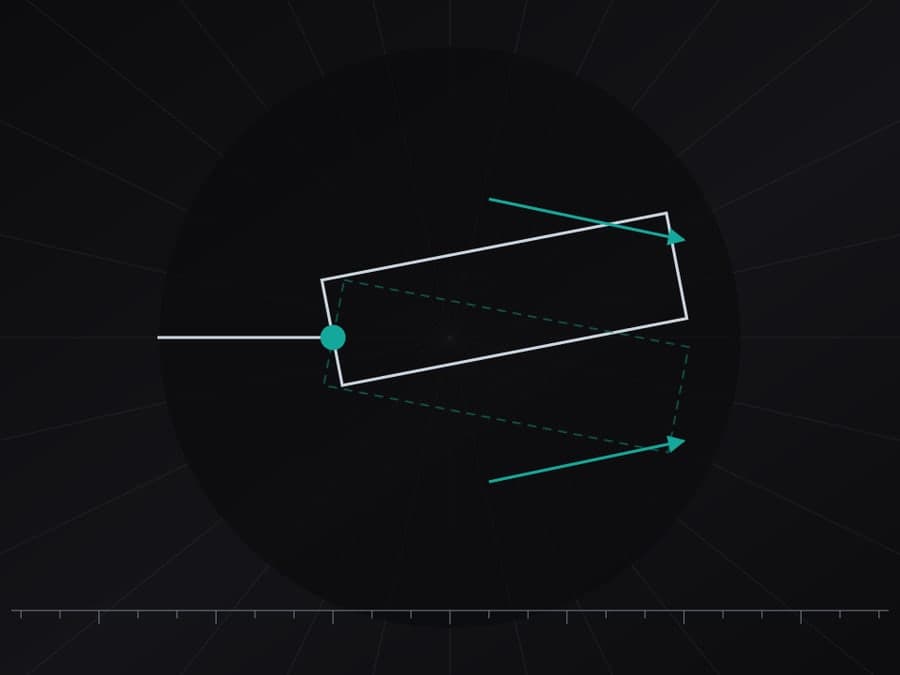 CURT TruTrack 4P Weight Distribution Hitch (10-15K) Heavy duty | Heavy travel trailers near 15,000 lb | Four-point friction to 15,000 lb gross | Check price on Amazon #ad Affiliate link - we publish no price; Amazon shows the current one |
1. Round bar
CURT Round Bar Weight Distribution Hitch with Sway Control (14K)
CURT · Best for mid-size travel trailers
A conventional round-bar system with integrated lubrication and sway control, rated to 14,000 lb gross and 1,400 lb tongue. The built-in lubrication matters more than it sounds: a dry weight distribution head is the usual source of the groaning people mistake for a failing hitch.
Published specifications
What works
- Integrated lubrication at the head, which is where the noise usually comes from
- Round bars sit lower and clear more trailer tongues than trunnion bars
- Limited lifetime warranty
What does not
- Round bars hang lower than trunnion bars and are the first thing to catch on a steep driveway
- Sway control here is a function of the head, not an adjustable four-point system
Skip it if
Skip it if you regularly cross steep transitions - a round bar is the lowest part of the whole rig and will find the pavement before anything else does.
#ad Affiliate link - we publish no price; Amazon shows the current one
Raw specifications: CURT’s own page. We earn nothing on that link.
2. Underslung
Blue Ox SwayPro Weight Distribution Hitch
Blue Ox · Best for owners who hitch and unhitch often
Underslung spring bars on clamp-on latches, which makes hitching faster than chain-and-snap-up systems and keeps the bars out of the way of a low A-frame. Blue Ox publishes the range in tongue-weight bands rather than one do-everything model, so the sizing decision is made before you buy.
Published specifications
What works
- Latches clamp on rather than needing chains snapped up under tension
- Sold in defined tongue-weight bands, which makes correct sizing the default
- Underslung bars clear low A-frames and front storage boxes
What does not
- Bar bands are narrow, so a big change in how you load the trailer can put you in the wrong band
- Clamp-on brackets are another part to keep clean and lubricated
Skip it if
Not the one if your loaded tongue weight sits near the top of a band - buy up a band, because a bar run at its limit transfers less than a bar running in the middle of its range.
#ad Affiliate link - we publish no price; Amazon shows the current one
Raw specifications: Blue Ox’s own page. We earn nothing on that link.
3. Heavy duty
CURT TruTrack 4P Weight Distribution Hitch (10-15K)
CURT · Best for heavy travel trailers near 15,000 lb
Four-point sway control with adjustable friction, rated to a 15,000 lb trailer and 1,500 lb tongue. The adjustability is the point: you can dial resistance up for a long, tall trailer and back it off for a short one, instead of living with whatever the geometry gives you.
Published specifications
What works
- Friction is adjustable rather than fixed by the geometry
- Rated range covers the tongue weights that half-ton trucks genuinely struggle with
- Limited lifetime warranty on the structure
What does not
- At 123.6 lb assembled it is a heavy thing to lift on and off a shank
- The 10,000 lb floor means it is over-specified for a small trailer
Skip it if
Wrong tool below about 10,000 lb gross trailer weight - under the rated floor the bars barely flex, so you get the weight penalty without the load transfer.
#ad Affiliate link - we publish no price; Amazon shows the current one
Raw specifications: CURT’s own page. We earn nothing on that link.
Key takeaways
- Load transfer is equivalent at equal ratings - this is a packaging decision.
- Round bars sit lowest and are the first thing to scrape.
- Trunnion bars need more space ahead of the coupler but give more clearance.
- Measure your A-frame before ordering either style.
How we sourced this
Every figure on this page came from one of the following, each fetched while the page was written. Where a manufacturer or regulator does not publish a number, we say so rather than estimate it.
Common questions
- Is one stronger than the other?
- Not inherently. Both are rated by the manufacturer and the rating is what matters. Trunnion designs are more commonly offered at the higher capacities, which creates the impression.
- Can I swap bar styles on the same head?
- No. The head is machined for one style. Changing styles means changing the head, which usually means a different hitch.
- Which is quieter?
- Neither, consistently. Noise comes from the friction surfaces and the receiver fit, not the bar profile. An anti-rattle pin and shim does more for noise than the bar style does.
More in Weight Distribution Hitches
A weight distribution hitch moves load off the back of your truck. Whether you need one is a number, not an opinion - and the number is on your door jamb.
Read next
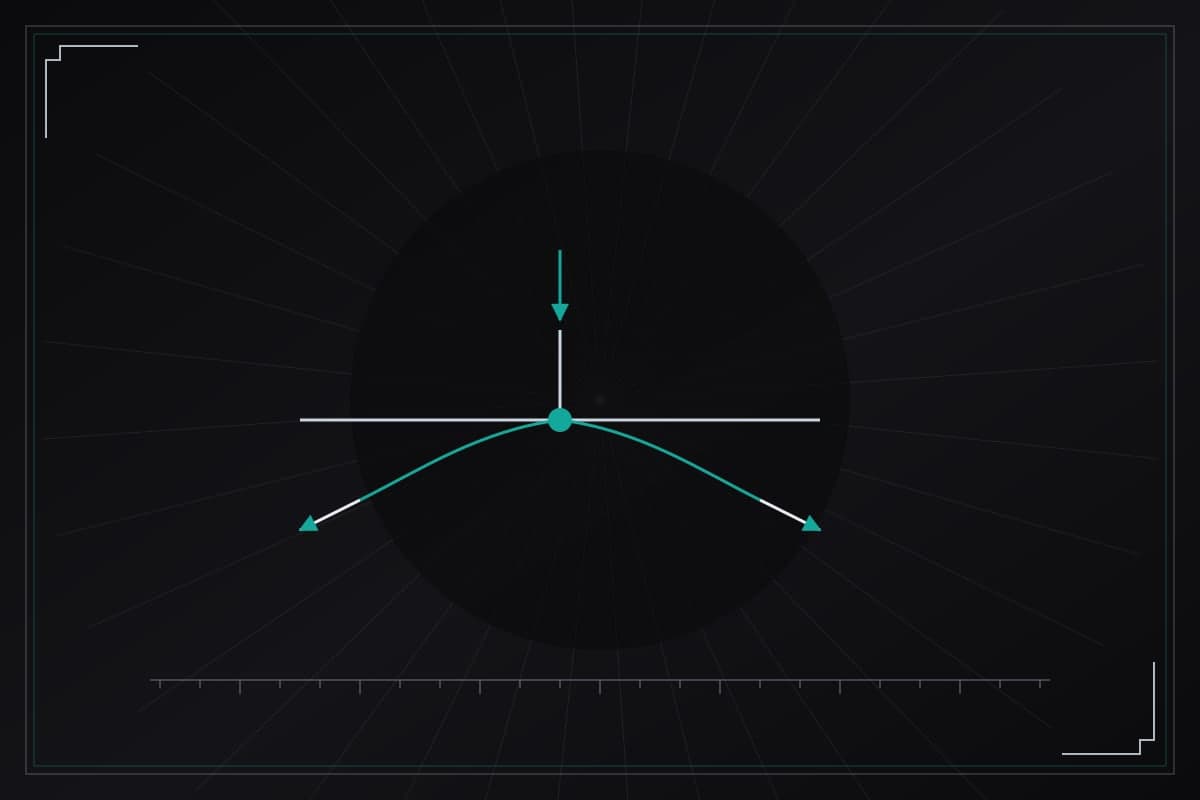
Guide
How a WD Hitch Works
The mechanism in plain terms: where the load goes, why head angle matters, and why bar rating is the specification that counts.
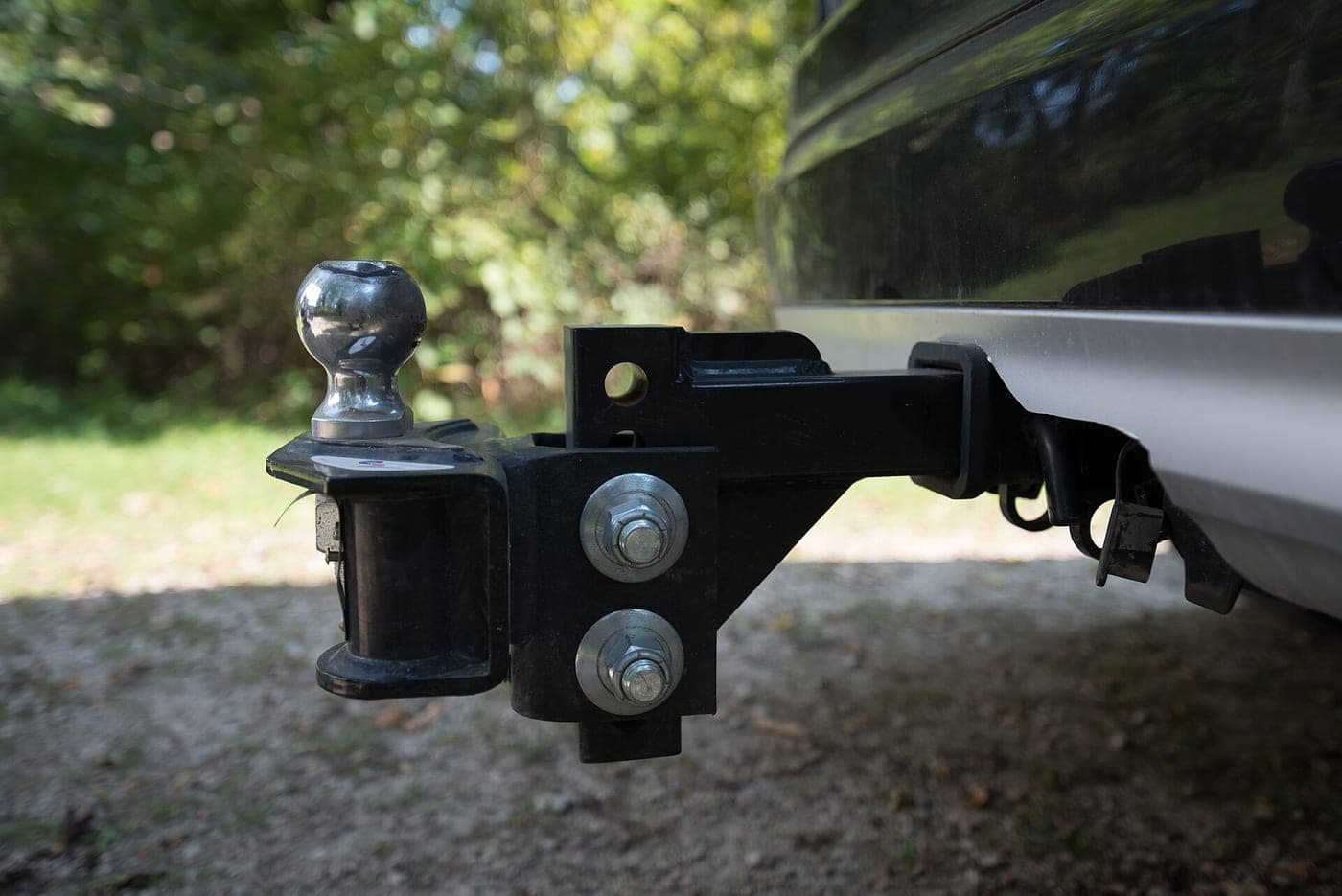
Best WD hitch overall
Best WD Hitch with Sway Control
Integrated sway control plus load transfer, compared on bar sizing granularity, ground clearance and how hard they are to set up alone.

How to
WD Hitch Setup Guide
The full setup sequence with the measurements that make it verifiable, plus how to read the symptoms of each wrong setting.
Head to head
SwayPro vs Equal-i-zer
Underslung clamp-on bars versus four-point friction, compared on hitching time, bar sizing granularity and ground clearance.
Found something out of date, or a figure you can source better than we did? Corrections get read first. How we research explains how these pages are put together, and contact is one click away.