Weight Distribution Hitches
Do I Need a Weight Distribution Hitch for a 3,000 lb Trailer?
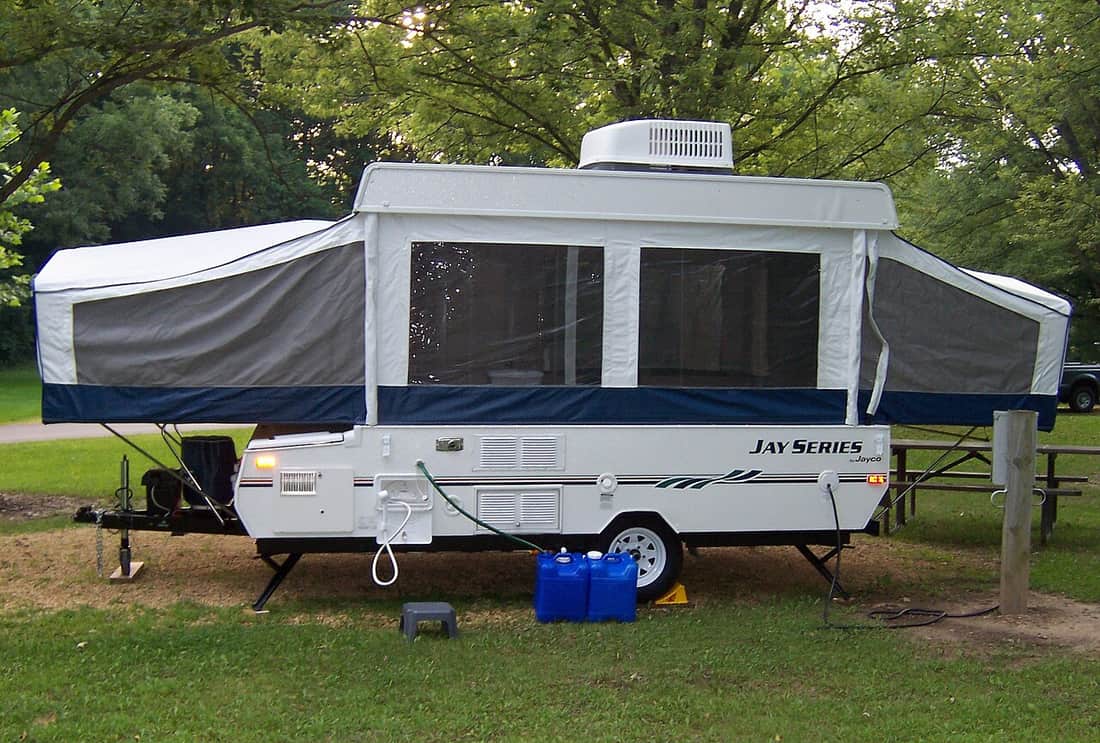
Three thousand pounds is the weight class where most people are being sold something they do not need - but not all of them.
Disclosure: we earn a commission if you buy through the Amazon links on this page, at no extra cost to you. Commission never decides a verdict or a ranking position - read our editorial policy and affiliate disclosure.
Short answer
A 3,000 lb trailer puts roughly 300 to 450 lb on the ball. Almost every modern receiver carries that weight-carrying, so for most tow vehicles the answer is no. It flips to yes if your vehicle's manual sets a lower limit, if the trailer is tall and short, or if the tow vehicle is a small crossover.
This weight class generates more unnecessary purchases than any other. Three thousand pounds sounds substantial - it is a small camper, a decent boat, a loaded utility trailer - and the advice written for 7,000 lb travel trailers gets applied to it wholesale. The arithmetic says otherwise, and the arithmetic is quick.
The arithmetic, first
A conventional trailer should carry 10 to 15 percent of its loaded weight on the tongue. Run that against 3,000 lb and the whole range lands inside the weight-carrying rating of most receivers sold in the last twenty years.
| Percentage on the tongue | Load on the ball | Typical verdict |
|---|---|---|
| 10 percent | 300 lb | Inside almost every receiver's carrying rating |
| 12.5 percent | 375 lb | Still inside, on nearly any tow package |
| 15 percent | 450 lb | Inside most, but check a small crossover's manual |
Arithmetic on the standard 10 to 15 percent tongue weight band. Your own measured loaded tongue weight is the figure that decides your case.
Compare that with the 5,000 lb band, where the answer genuinely depends on the vehicle, and the difference is clear: at 3,000 lb you are not near the edge of anything unless your vehicle is unusually limited.
Read two labels to confirm it
- The receiver sticker or stamp. It carries two figures: weight-carrying and weight-distributing. The carrying number is the one that applies without a weight distribution hitch fitted. If your measured tongue weight is under it, load transfer is optional.
- The towing section of your owner manual. Some manufacturers require a weight distribution hitch above a stated trailer weight regardless of tongue load, and that figure can be low on a unibody vehicle. The manual governs, not the receiver.
If you do not know where to look, the door-jamb sticker carries the payload figure and the receiver carries its own ratings. The two together answer the question in under five minutes.
The three cases where the answer is yes
- Your manual says so. This is not negotiable and it is not uncommon on crossovers and small SUVs. A stated requirement overrides every rule of thumb on the internet, including this page.
- The trailer is tall and short. A 3,000 lb enclosed trailer with a high, flat front and a short tongue generates far more yaw than a 3,000 lb boat on a long tongue. The weight is not the problem; the sail area and the lever length are.
- The tow vehicle is light. A tongue weight that is a trivial fraction of a three-quarter-ton truck's rear axle rating is a meaningful fraction of a compact crossover's. The ratio matters more than the absolute number.
What to buy instead, if anything
Spend on the measurement first. A tongue weight scale costs a fraction of a weight distribution hitch and either confirms you can skip one or tells you that you cannot. If the trailer wanders a little but the vehicle sits level, a friction sway control bar addresses the symptom you actually have - it damps yaw without transferring any load.
And if the manual does require a hitch at this weight, buy a simple one sized to a 300 to 450 lb tongue. The mistake at this end of the market is buying a 10,000 lb-class system: over-rated bars barely flex under a light tongue, so you carry the weight penalty and get almost no transfer.
Before any of that, check your loading. At 3,000 lb, moving a generator from behind the axle to ahead of it changes the trailer's behavior more than any hitch on the market will.
Key takeaways
- A 3,000 lb trailer normally sits between 300 and 450 lb on the ball.
- That is inside the weight-carrying rating of nearly every modern receiver.
- Your owner manual can still require a hitch - and that requirement governs.
- Tall, short trailers and light tow vehicles are the real exceptions.
- Measure the tongue weight before you buy anything at all.
How we sourced this
Every figure on this page came from one of the following, each fetched while the page was written. Where a manufacturer or regulator does not publish a number, we say so rather than estimate it.
- 49 CFR 571.110 (FMVSS 110) - vehicle placard, including the required "combined weight of occupants and cargo" statement
- 49 CFR 567.4 - certification label content, including Gross Vehicle Weight Rating and Gross Axle Weight Rating
- Sherline Products - manufacturer site
- CURT sway control kit - published specifications (part 17200)
Common questions
- Is a weight distribution hitch ever required at 3,000 lb?
- Yes, when the tow vehicle manufacturer requires one above a stated trailer weight that your trailer exceeds. Several unibody crossovers set that threshold low. The manual governs regardless of what the tongue weight arithmetic says.
- My 3,000 lb trailer sways. Will a weight distribution hitch fix it?
- Usually not, because the cause at this weight is normally load placement or low tongue weight percentage rather than insufficient load transfer. Check that at least 10 percent of the loaded weight is on the tongue and that nothing heavy sits behind the trailer axle first.
- Do I need sway control for a 3,000 lb trailer?
- Not as a rule, but a friction sway control bar is a cheap and genuinely useful addition if the trailer wanders in crosswinds or when trucks pass. It damps yaw without transferring any load, so it does not interact with your receiver's carrying rating.
- What tongue weight should a 3,000 lb trailer have?
- Between 300 and 450 lb loaded, which is the standard 10 to 15 percent band. Below 10 percent the trailer becomes prone to sway; above 15 percent you are eating payload and unloading the tow vehicle's front axle.
More in Weight Distribution Hitches
A weight distribution hitch moves load off the back of your truck. Whether you need one is a number, not an opinion - and the number is on your door jamb.
Read next
Guide
Do I Need a WD Hitch?
The three-check test that answers the question definitively, plus the cases where the answer is a clear no.
Guide
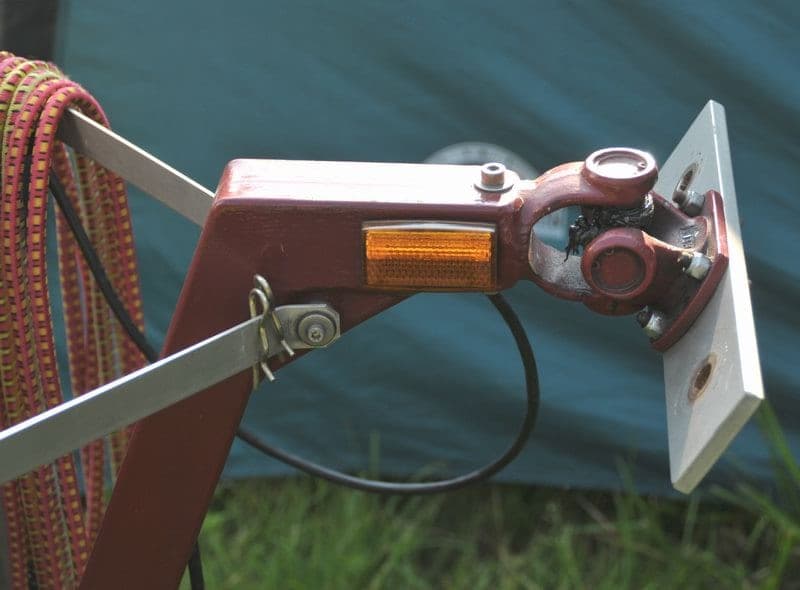
WD Hitch for a 5,000 lb Trailer?
The 5,000 lb band is the real decision point. Here is the arithmetic, the two labels that answer it, and the cases where the answer is no.
How to
Measuring Tongue Weight
Three methods for measuring tongue weight, what each one requires, and how to interpret the result against the 10-15 percent band.
Head to head
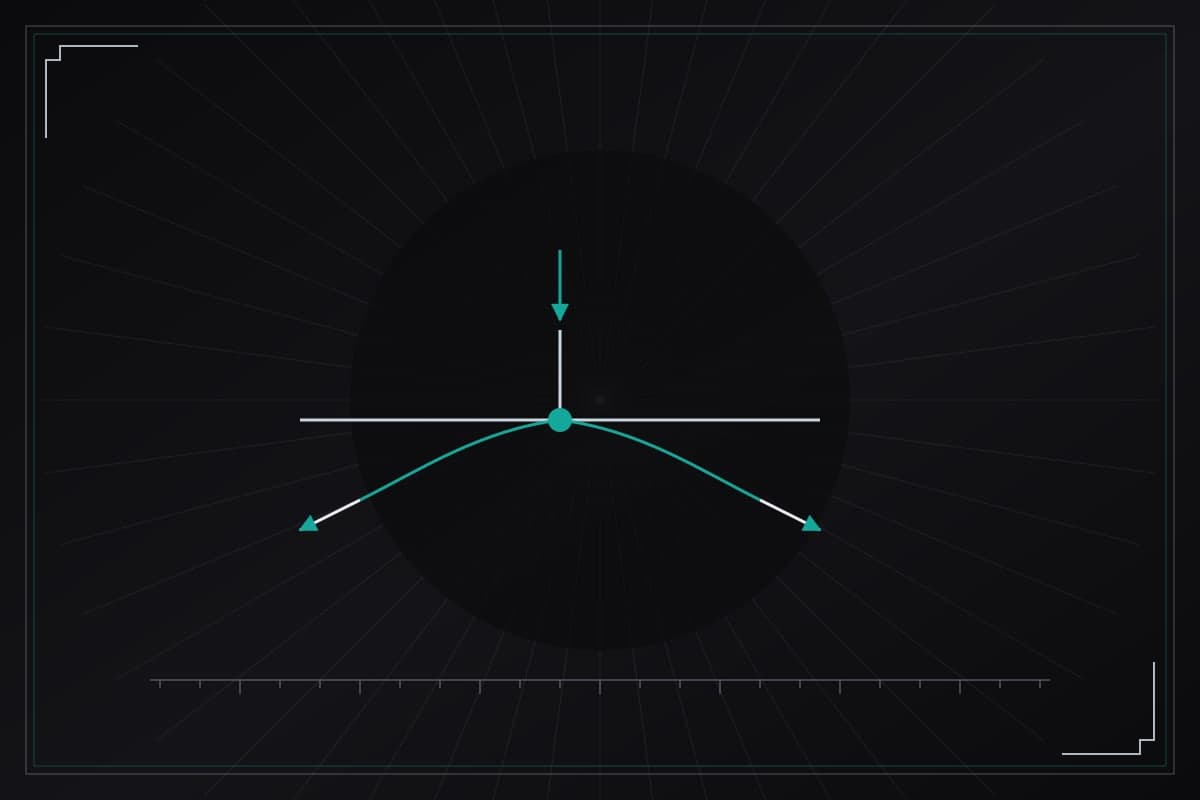
Weight Distribution vs Sway Control
The clearest distinction in towing, explained by symptom: squatting truck versus wandering trailer, and what to do when it is both.
Guide
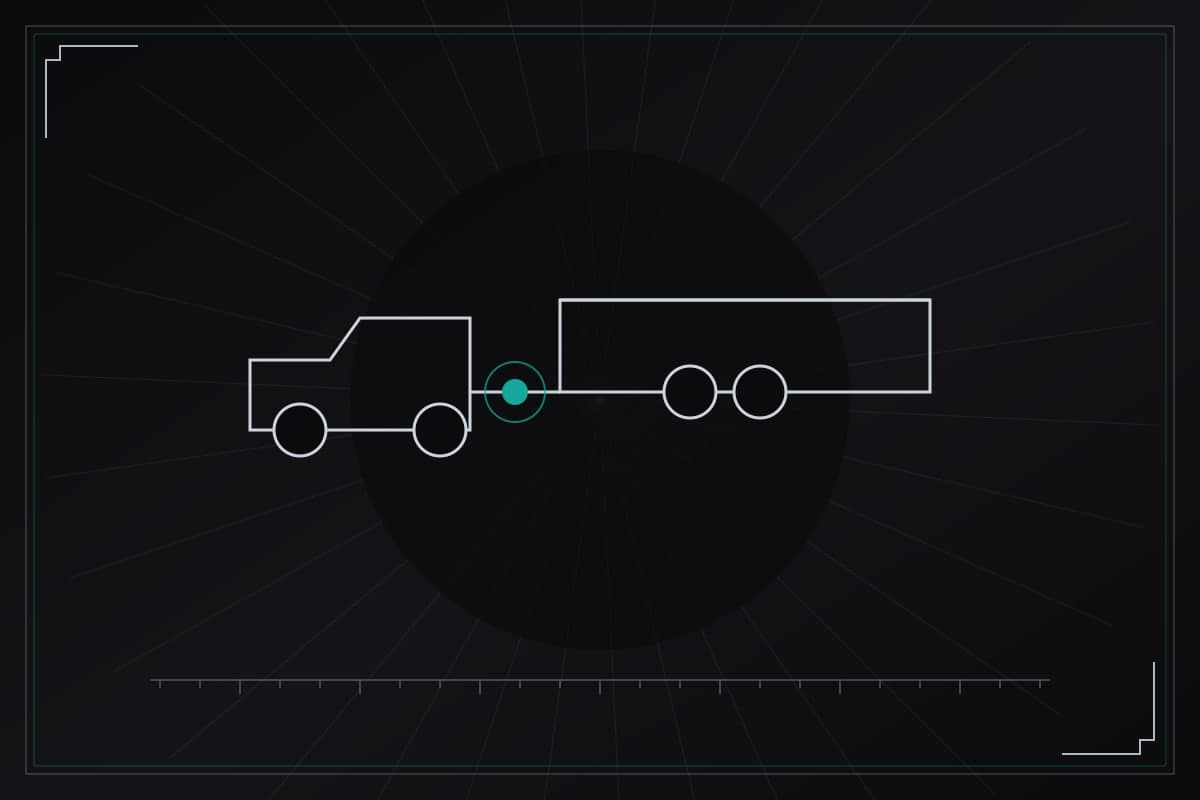
How to Balance a Trailer
Loading a trailer so it tows straight: the 60/40 rule, where heavy items belong, and how to confirm the result with a measurement.
Found something out of date, or a figure you can source better than we did? Corrections get read first. How we research explains how these pages are put together, and contact is one click away.