Hitches, Receivers & Ball Mounts
The Best Gooseneck Hitch for a Pickup Bed
Three ways to put a 2-5/16 inch ball in a truck bed, and only one of them is right for the bed you already own. Start with what is in the floor.
Disclosure: we earn a commission if you buy through the Amazon links on this page, at no extra cost to you. Commission never decides a verdict or a ranking position - read our editorial policy and affiliate disclosure.
How we assessed these: Built from the specifications CURT publishes on its own part pages - gross trailer weight, vertical load, ball diameter, ball hole size, puck-system fitment, test standard, kit contents and warranty - each figure linked to the part page it came from. This site installs nothing, tows nothing under instrumentation and publishes no measurements, ratings or scores of its own.
Short answer
Pick a gooseneck hitch by what is already in your truck bed. A factory puck system takes a puck-mounted ball that twists in with no drilling and publishes the same 30,000 lb rating as a drilled hitch. A bare bed needs an under-bed hitch and vehicle-specific brackets, which means a 4 inch hole in the floor. Fifth wheel rails already installed take a rail-mounted gooseneck plate instead. Short beds should use an offset ball to move the coupling point rearward.
Gooseneck shopping goes wrong in a specific way: people compare capacity numbers across three completely different installation types, pick the highest one, and then discover the brackets do not exist for their truck or that they have just drilled a hole through a bed that already had a puck system in it.
The capacities are not the interesting part. Every serious gooseneck ball on this page publishes 30,000 lb gross and 7,500 lb vertical, which is far more than any pickup is rated to tow. What separates them is what they do to your bed floor and whether they fit the truck you own.
The three installation types, and how to tell which is yours
Go and look in the bed. This is a thirty-second check and it eliminates two thirds of the options immediately.
| What you see | What you buy | Drilling | Bed when not towing |
|---|---|---|---|
| Four or five capped holes in a pattern | A puck-system gooseneck ball | None | Completely flat - the ball comes out |
| Nothing but bed floor | An under-bed hitch plus vehicle-specific brackets | One 4 in hole | Flat, with a capped hole and a trim ring |
| Two fifth wheel rails bolted across the bed | A rail-mounted gooseneck plate | Already done | The rails stay; the plate pins out |
| A round hole with a ball or a cover already in it | Nothing - you have a gooseneck hitch | Done | Flat already |
The last row sounds obvious and catches people anyway. A capped 4 inch hole with a trim ring in the middle of the bed is an installed gooseneck hitch missing its ball, and the ball is a far cheaper part than a hitch.
The puck case is worth dwelling on because it is the one people drill over. Trucks from Chevrolet, Ford, GMC, Nissan and Ram have shipped with factory bed prep packages for years, and the pucks are usually capped and easy to overlook under a bed liner. CURT publishes its puck-system ball as requiring one of those systems and as carrying the same 30,000 lb gross and 7,500 lb vertical rating as the drilled under-bed hitch. If the pucks are there, the drilled hitch buys you nothing.
Quick picks
Tap any row to jump to the full write-up. How these are chosen - and what we do and do not claim to know - is published in full on our research methodology page.
| # | Product | Best for | Our read | Price |
|---|---|---|---|---|
| 1 | 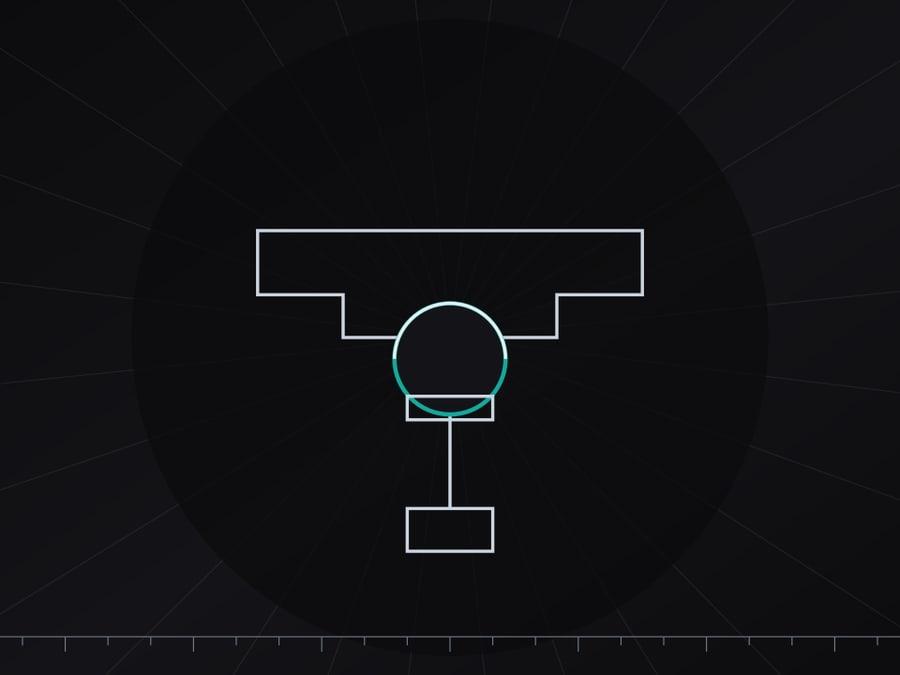 CURT Double Lock EZr Gooseneck Hitch, 2-5/16 in Ball (30,000 lb) Best overall | Heavy gooseneck trailers, flat bed when not towing | 30,000 lb, 7,500 lb vertical, ball stores under the floor | Check price on Amazon #ad Affiliate link - we publish no price; Amazon shows the current one |
| 2 | 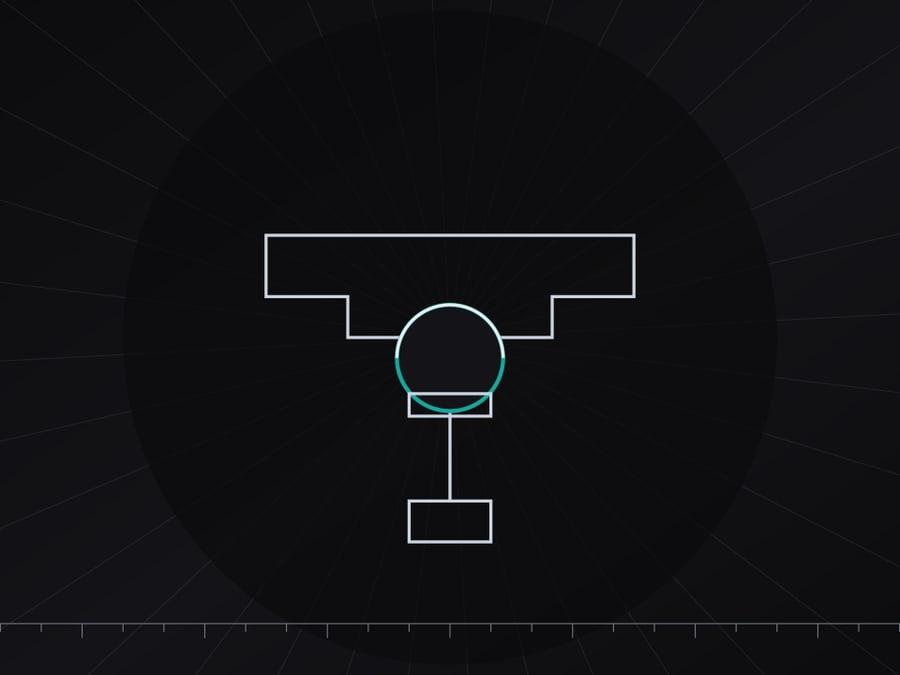 CURT OEM Puck System Gooseneck Ball, 2-5/16 in (30,000 lb) Best if your truck has pucks | Trucks with a factory puck system | Same 30,000 lb rating, no drilling, seconds to fit | Check price on Amazon #ad Affiliate link - we publish no price; Amazon shows the current one |
| 3 | 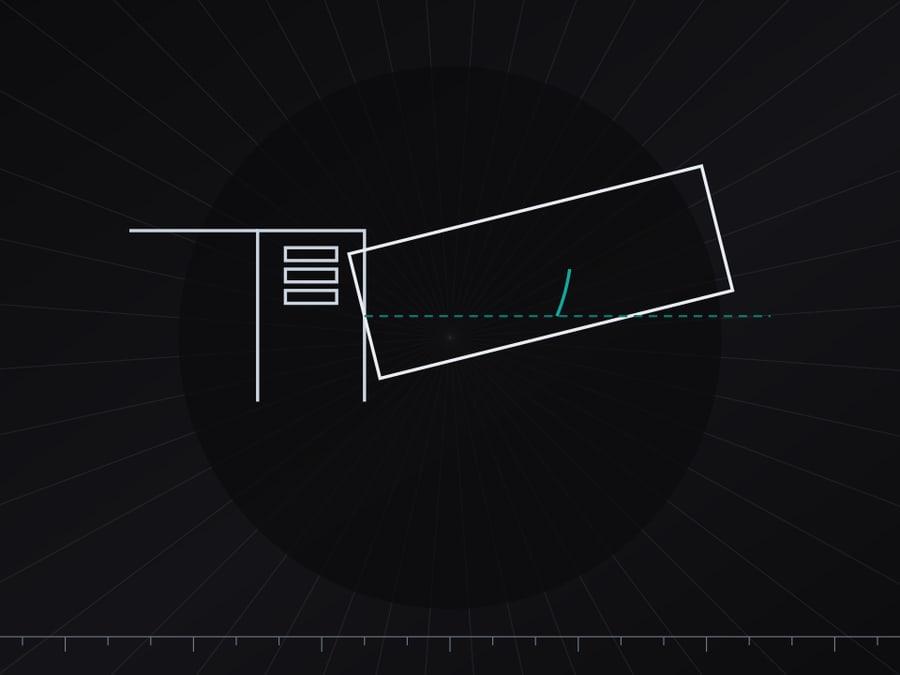 CURT RockerBall Offset Puck System Gooseneck Ball (30,000 lb, 4 in Offset) Best for a short bed | Short-bed trucks with factory pucks | Puck mount with the coupling point 4 in rearward | Check price on Amazon #ad Affiliate link - we publish no price; Amazon shows the current one |
| 4 |  CURT Spyder Fifth Wheel Rail Gooseneck Hitch with 2-5/16 in Ball (25,000 lb) Best if rails are already in the bed | Rails already in the bed, gooseneck trailer to pull | 25,000 lb, pins into standard fifth wheel rails | Check price on Amazon #ad Affiliate link - we publish no price; Amazon shows the current one |
How we picked: the criteria that separate these
- Does it physically fit your truck? Puck balls need a factory puck system. Under-bed hitches need brackets published for your exact truck. Rail plates need industry-standard rails. Capacity is irrelevant until this is settled.
- Vertical load against your payload, not against the hitch. Every ball here publishes 7,500 lb of vertical load. Your truck's rear axle and its remaining payload will stop you long before that. What the door jamb placard actually permits is the real ceiling.
- What the bed looks like afterward. A puck ball leaves nothing behind. An under-bed hitch leaves a capped hole. A rail plate leaves two rails you have to work around forever. If the truck does weekday duty, this matters more than any rating.
- What is included. CURT publishes the Double Lock EZr with the ball, trim ring, rubber hole cover, 5/8 in safety chain loops and grade-8 hardware, but not the under-bed brackets. A puck ball is just the ball - safety chain anchors are separate on most puck systems.
- Weight you will lift. Roughly 8 lb for a plain puck ball against about 60 lb for the offset version. That is the difference between one hand and both.
- Coupling point position. Standard installations put the ball over or near the rear axle. An offset ball moves it rearward, which buys cab clearance on a short bed and costs payload margin.
- Test standard published. CURT publishes the Double Lock EZr and the offset RockerBall as tested to SAE J2638 and the plain puck ball as tested to U.S. VESC V-19. Both are real published standards; neither is a measurement this site made.
Why the ratings all look the same, and what that means
A gooseneck ball sits almost directly over the rear axle and transfers load into the frame through a short, stiff path. That is why gooseneck ratings start where bumper-pull ratings end. A Class V receiver tops out around 12,000 lb in common configurations; these balls publish 30,000 lb.
Which is to say the ball is never your limit. Your limit is the truck. A three-quarter-ton diesel might be rated to tow 18,000 to 22,000 lb conventional-gooseneck depending on the configuration; a one-ton dually goes higher. The 30,000 lb figure exists so that the hitch is not the weak link in a commercial rig, and in a private one it means you simply never think about it again.
Short beds and the clearance problem
Gooseneck trailers are less prone to cab contact than fifth wheels because the coupler sits lower and the trailer's nose is usually a narrow neck rather than a wide front cap. Less prone is not immune. On a 5.5 or 6.5 foot bed with a tall gooseneck trailer, a hard turn can still bring the neck into the back window's airspace.
The clean fix on a puck truck is an offset ball. CURT publishes its RockerBall at a 4 inch rearward offset with the same 30,000 lb and 7,500 lb ratings, as a multi-fit part for Chevrolet, Ford, GMC, Nissan and Ram puck systems - with published exceptions worth reading, because long-bed Chevrolet and GMC installs are listed as 2020 and newer only and the 6.5 foot Silverado and Sierra need a different part number. Four inches does not sound like much until you have watched a trailer neck pass a cab corner with an inch to spare.
1. Best overall
CURT Double Lock EZr Gooseneck Hitch, 2-5/16 in Ball (30,000 lb)
CURT · Best for heavy gooseneck trailers, flat bed when not towing
The under-bed gooseneck arrangement most heavy-trailer owners end up with: a 4 in hole in the bed floor, a removable 2-5/16 in ball that flips and stores below deck, and 7,500 lb of published vertical load. Flat bed when the ball is out, 30,000 lb when it is in.
Published specifications
- Gross trailer weight
- 30,000 lb source
- Vertical load
- 7,500 lb (capacity limited to lowest-rated towing component) source
- Ball diameter
- 2-5/16 in source
- Ball hole
- 4 in source
- Standard
- Tested to SAE J2638 source
- What is included
- Removable chrome-plated 2-5/16 in ball, chrome trim ring, rubber hole cover, 5/8 in safety chain loops and grade-8 hardware source
- Brackets
- Under-bed gooseneck installation brackets required, sold separately source
- Finish
- A-Coat source
- Shipping weight
- 47 lb source
- Warranty
- Limited lifetime warranty (one-year finish, one-year parts) source
What works
- 7,500 lb published vertical load is genuine heavy-trailer territory, well past anything a bumper-pull receiver carries
- Safety chain loops and the grade-8 hardware are in the box rather than a second order
- Ball flips and stores under the bed floor, so the bed goes back to being flat in seconds
What does not
- The vehicle-specific under-bed brackets are a separate purchase and they decide the real fitment
- Installation means a 4 in hole through the bed floor, which is not a decision you reverse
- Capacity far above what a three-quarter-ton truck is rated to tow, so the truck binds long before the hitch does
Skip it if
Wrong purchase if your truck has a factory puck system - the puck ball drops straight in with no drilling and the same 30,000 lb rating.
#ad Affiliate link - we publish no price; Amazon shows the current one
Raw specifications: CURT’s own page. We earn nothing on that link.
2. Best if your truck has pucks
CURT OEM Puck System Gooseneck Ball, 2-5/16 in (30,000 lb)
CURT · Best for trucks with a factory puck system
If your truck left the factory with bed pucks, this is the entire gooseneck installation: a ball with a locking shank that twists into the center puck and holds with two retention balls. Thirty seconds, no drilling, 30,000 lb published, and it comes out and lives in the back seat.
Published specifications
- Gross trailer weight
- 30,000 lb source
- Vertical load
- 7,500 lb source
- Ball diameter
- 2-5/16 in source
- Fit
- Requires a Chevrolet, Ford, GMC, Nissan or Ram factory puck system; will not install without one source
- Standard
- Tested to U.S. VESC V-19 specifications source
- Mechanism
- Top lever with two retention balls built into the shank source
- Finish
- Chrome-plated source
- Warranty
- Limited lifetime warranty (one-year finish, one-year parts) source
What works
- No drilling, no brackets, no bed removal - it is a twist-and-lock installation measured in seconds
- Same 30,000 lb and 7,500 lb published ratings as the drilled under-bed hitch
- Stores anywhere, so the bed is completely flat and nothing is left in the floor to catch cargo
What does not
- Useless without a factory puck system, and aftermarket pucks are not the same thing
- The ball alone is not a complete towing setup - safety chain anchors are separate on most puck systems
- A loose ball is a ball you can lose, and replacing it is not a cheap afternoon
Skip it if
Not for a truck without bed pucks. Check for capped holes in the bed floor first; if there are none, you need the drilled under-bed hitch and its vehicle-specific brackets.
#ad Affiliate link - we publish no price; Amazon shows the current one
Raw specifications: CURT’s own page. We earn nothing on that link.
3. Best for a short bed
CURT RockerBall Offset Puck System Gooseneck Ball (30,000 lb, 4 in Offset)
CURT · Best for short-bed trucks with factory pucks
A puck-system ball that places the coupling point 4 in rearward of the puck. That sounds like a detail and behaves like a different truck: moving the pivot back is what buys cab clearance on a short bed, and it does it without a slider or a drilled bed.
Published specifications
- Gross trailer weight
- 30,000 lb source
- Vertical load
- 7,500 lb source
- Offset
- 4 in rearward of the puck source
- Ball diameter
- 2-5/16 in source
- Fit
- Multi-fit for Chevrolet, Ford, GMC, Nissan and Ram puck systems; Chevrolet and GMC long-bed installs limited to 2020 and newer, and part 60669 is required for 6.5 ft short-bed Silverado and Sierra source
- Standard
- Tested to SAE J2638 source
- Finish
- Chrome-plated ball; carbide black powder coat frame source
- Shipping weight
- 60.62 lb source
- Warranty
- Limited lifetime warranty (one-year finish, one-year parts) source
What works
- Moves the coupling point back 4 in, which is clearance a plain puck ball cannot give you
- Keeps the no-drill puck installation while solving a short-bed problem
- Same 30,000 lb and 7,500 lb published ratings as the straight puck ball
What does not
- 60 lb of hardware to lift in and out, against roughly 8 lb for the plain puck ball
- Fitment has real exceptions published - long-bed GM trucks before 2020 and the 6.5 ft Silverado and Sierra need a different part
- Offsetting the ball rearward moves pin weight further behind the axle, which costs you payload margin
Skip it if
Unnecessary on a long-bed truck, where the cab already clears the trailer through a full turn - buy the plain puck ball and save the weight, the money and the rearward load.
#ad Affiliate link - we publish no price; Amazon shows the current one
Raw specifications: CURT’s own page. We earn nothing on that link.
4. Best if rails are already in the bed
CURT Spyder Fifth Wheel Rail Gooseneck Hitch with 2-5/16 in Ball (25,000 lb)
CURT · Best for rails already in the bed, gooseneck trailer to pull
A gooseneck ball on a plate that drops into fifth wheel rails you already own. If the rails are in the bed and the trailer in the yard is a gooseneck, this is the part that bridges them - and it pins out in a minute when you want the bed back.
Published specifications
What works
- Turns rails you already paid for into a gooseneck hitch with no further bed work
- Pins out by hand, so the bed goes back to being a bed
- Published tongue weight of 6,250 lb is genuine heavy-trailer territory
What does not
- Only works if industry-standard rails are already installed
- It is a heavy plate to lift in and out, and there is nowhere tidy to store it
- The ball sits high on the plate rather than near the bed floor, which raises the trailer's coupling point
Skip it if
Pointless if you have no rails - if you only ever tow gooseneck, an under-bed gooseneck hitch gives you a flat bed and a lower ball instead.
#ad Affiliate link - we publish no price; Amazon shows the current one
Raw specifications: CURT’s own page. We earn nothing on that link.
What else the install needs
- Safety chains rated for the trailer. A gooseneck still needs chains, and chain capacity is a published rating you have to match rather than a detail. How chains and the breakaway system are supposed to be arranged is worth re-reading if you are coming from a bumper-pull.
- Under-bed brackets, if you are drilling. They are vehicle-specific, they are not included with the hitch, and they are the part that decides whether the install is possible at all.
- A brake controller the trailer's brakes agree with. Gooseneck trailers usually have brakes on every axle, and that changes gain setup. Choosing and setting a controller matters more as weight rises.
- A way to know your actual pin weight. The trailer's sticker tells you gross, not what is on the ball. Measuring it properly is the only way to compare against payload honestly.
- Possibly a coupler lock. A ball in the bed and a trailer in the yard is an easy theft. The lock belongs on the trailer's coupler, not the ball.
Gooseneck or fifth wheel, if you have not decided yet
If you are choosing between the two rather than buying hardware for a trailer you already own, the trailer decides it. RV manufacturers overwhelmingly build fifth wheel kingpins; flatbed, livestock, dump and equipment trailers overwhelmingly use gooseneck couplers. You buy the hitch the trailer needs.
Where you genuinely have a choice, the trade-off is ride quality against bed space. A fifth wheel head is a cushioned, articulating connection with a wide stance; a gooseneck ball is a single hard point that leaves your bed usable on Monday morning. The full comparison, including why the ride differs, covers it properly. And if you own one of each kind of trailer, the adapters run both ways - a plate in either direction is cheaper than a second installation.
Who should not buy any of these
- Anyone whose truck already has a capped 4 inch hole in the bed. You have the hitch. Buy the correct ball for it and stop.
- Half-ton owners with a heavy gooseneck trailer. The ball will hold it. The axle, the payload and in many cases the frame will not, and a 7,500 lb vertical rating on the hitch does nothing about that.
- Anyone towing a travel trailer or a boat. This is the wrong category entirely - a ball mount in a receiver is your purchase, with weight distribution if the trailer is heavy.
- Anyone about to trade the truck in. Brackets do not transfer and the hole stays. Wait.
A note on what is not here
B&W's Turnoverball is the most widely recommended under-bed gooseneck hitch in North America and it is not on this list. That is a sourcing limitation, not a judgment: the manufacturer's site returned rate-limit errors to every request made while this page was assembled, so no published specification table could be read, and this site does not print figures it cannot cite to the maker. The same applies to Andersen's gooseneck products. When those pages are readable again, they get assessed on their published numbers like everything else.
The bottom line
Look in the bed first. If there are pucks, buy the puck ball - it publishes the same 30,000 lb and 7,500 lb ratings as the drilled hitch, fits in seconds, costs the least of the complete paths and leaves nothing behind. If the bed is bare and you tow a gooseneck regularly, the Double Lock EZr plus the brackets published for your truck is the standard answer, and the ball flips and stores below the floor so the bed stays flat. If fifth wheel rails are already bolted in, do not drill at all - a rail-mounted gooseneck plate pins into what you have.
And on a short bed, spend the extra on the offset ball rather than relying on a careful turn. Clearance you have to drive around is clearance you will eventually forget about.
Key takeaways
- Check the bed floor before shopping: pucks, bare metal, rails or an existing ball hole each lead to a different purchase.
- CURT publishes 30,000 lb gross and 7,500 lb vertical on the under-bed Double Lock EZr, the puck-system ball and the offset RockerBall alike.
- The hitch is never the limit on a pickup - payload and the rear axle are, and a gooseneck puts 20 to 25 percent of trailer weight on the ball.
- Under-bed hitches need vehicle-specific brackets that are sold separately and decide fitment.
- A puck-system ball needs a factory puck system; there is no way to add one with the ball itself.
- An offset ball moves the coupling point 4 in rearward for short-bed clearance, at roughly 60 lb against 8 lb for a plain puck ball.
- A rail-mounted gooseneck plate publishes 25,000 lb and needs no new holes if rails are already installed.
- Published fitment exceptions matter: the offset ball lists different parts for 6.5 ft Silverado and Sierra beds and a 2020-and-newer limit for GM long beds.
How we sourced this
Every figure on this page came from one of the following, each fetched while the page was written. Where a manufacturer or regulator does not publish a number, we say so rather than estimate it.
- CURT Double Lock EZr gooseneck hitch, 2-5/16 in ball, 30,000 lb - published specifications (part 60619)
- CURT OEM puck system 2-5/16 in gooseneck ball, 30,000 lb - published specifications and puck-system fitment (part 60629)
- CURT RockerBall multi-fit OEM puck system gooseneck ball with 4 in offset - published specifications (part 60668)
- CURT Manufacturing - manufacturer site
- 49 CFR 393.70 - coupling devices and towing methods, including safety chain and cable arrangement
Common questions
- How much can a gooseneck hitch tow?
- CURT publishes 30,000 lb gross trailer weight and 7,500 lb vertical load on the gooseneck hitches and balls covered here, and notes that capacity is limited by the lowest-rated component in the system. In practice the truck is that component: the rear axle rating and the payload remaining on the door jamb placard will stop you long before a 30,000 lb ball does.
- Do I need to drill my truck bed for a gooseneck hitch?
- Only if the truck has no factory puck system and no fifth wheel rails. A puck-system ball twists into the existing center puck with no drilling. A rail-mounted plate pins into rails already installed. A bare bed needs an under-bed hitch, which means one 4 inch hole in the floor plus vehicle-specific brackets bolted to the frame.
- What size ball does a gooseneck trailer use?
- Almost all gooseneck trailers in the US use a 2-5/16 inch ball, which is the size on every gooseneck hitch on this page. A 3 inch ball exists for heavier commercial couplers and some makers publish a 3 inch version of the same hitch. Match the ball to the coupler stamping, never the other way round.
- Can I put a gooseneck ball in fifth wheel rails?
- Yes. A rail-mounted gooseneck plate spans industry-standard fifth wheel rails and presents a 2-5/16 inch ball, published by CURT at 25,000 lb gross and 6,250 lb tongue weight. It pins in and out by hand, so the bed goes back to being a bed, and it saves a second permanent installation if the rails are already there.
- Is a gooseneck hitch stronger than a fifth wheel hitch?
- The published ratings are usually higher - 30,000 lb on these gooseneck balls against 16,000 to 20,000 lb on common fifth wheel heads - because the load path is shorter and sits right over the axle. Strength is not the whole story though: a fifth wheel head articulates and cushions in a way a single ball does not, which is why RV trailers are built for kingpins.
- Where should a gooseneck ball sit relative to the rear axle?
- Standard installations place it over or just ahead of the rear axle centerline, which is what keeps the load on the axle rather than behind it. Offset balls deliberately move the coupling point rearward, typically 4 inches, to buy cab clearance on short beds - at the cost of pushing pin weight further behind the axle and eating payload margin.
More in Hitches, Receivers & Ball Mounts
Class, receiver size, ball diameter, drop. Four numbers decide whether your setup is right, and three of them are stamped on parts you already own.
Read next
Head to head
Gooseneck vs Fifth Wheel
Two bed-mounted hitch types compared on bed usability, ride quality, capacity and what each trailer type requires.
Best fifth wheel hitch
Best Fifth Wheel Hitch
Fifth wheel hitches sorted by the published numbers that matter - pin weight capacity, pivot in both axes, and whether your bed needs rails, pucks or neither.
Guide
5W / Gooseneck Adapters
Rail-mounted gooseneck plates versus gooseneck-to-rail adapter plates, the published ratings on each, and the height and capacity you give up either way.
Guide
Fifth Wheel Rails
Universal rails versus rail-and-bracket kits versus factory pucks, the published ratings on each path, and the three cases where buying rails is the wrong move.
Head to head
Payload vs Towing Capacity
Why the tow rating rarely binds first, how to calculate your real limit from the labels on your vehicle, and what counts against payload.
Found something out of date, or a figure you can source better than we did? Corrections get read first. How we research explains how these pages are put together, and contact is one click away.