Trailer Sway & Sway Control
The Best Sway Control for an Enclosed Cargo Trailer
Tall, flat and short-tongued. An enclosed trailer gives wind a wall to push and gives you a short lever to resist it with.

Disclosure: we earn a commission if you buy through the Amazon links on this page, at no extra cost to you. Commission never decides a verdict or a ranking position - read our editorial policy and affiliate disclosure.
How we assessed these: Selected from each manufacturer's published ratings and the mechanism each design uses. This site runs no instrumented tests and publishes no measured sway or load-transfer figures of its own.
Short answer
For most enclosed cargo trailers the CURT sway control kit is the right first purchase: a 14 lb adjustable friction bar that damps yaw without transferring any load, which is what a trailer under about 5,000 lb with a correct tongue weight actually needs. Above that weight, or if the truck squats, step up to an integrated weight distribution hitch with built-in friction.
An enclosed trailer is the shape that punishes every towing mistake fastest. A boat is low and slips through air. A utility trailer is open and lets wind pass. A box trailer is a flat wall two or three times the height of a car's windscreen, mounted on a tongue that is often shorter than a camper's, carrying a load you cannot see from the driver's seat. Every one of those four facts pushes in the same direction.
Why the shape is the problem
Sway is a yaw oscillation: the trailer rotates around its coupler, the tow vehicle gets steered by the ball, and if nothing removes energy from that cycle it builds. Two things set how much energy goes in. The first is sail area - how much flat surface the wind and passing trucks have to push against. The second is the lever arm between the trailer's axles and its coupler, because a short tongue converts a given side force into a bigger steering input at the ball.
- A flat front is the worst case. A V-nose trailer splits oncoming and quartering air; a flat nose catches all of it. If you are still shopping for the trailer, the nose shape is a real decision and not styling.
- Height multiplies everything. A 7 ft interior behind a 6 ft truck means the wind hits the trailer and not the vehicle, so the push lands behind your rear axle where it has leverage.
- Short tongues are common on small boxes. A 6 by 12 single-axle trailer often has a shorter tongue than a travel trailer twice its weight, and the shorter the tongue, the twitchier the response.
- The load is invisible. You cannot glance back and see that the generator slid behind the axle at the first hard stop. On an open trailer you can.
- Many have no brakes. A single-axle cargo trailer frequently has none, which puts all the slowing on the tow vehicle and encourages the trailer to push the rig around under braking.
Do the free thing first
No product on this page outperforms correct loading, and on an enclosed trailer correct loading is harder because the cargo is out of sight. Aim for 10 to 15 percent of the loaded trailer weight on the tongue, with the heaviest items just ahead of the axle and strapped so they cannot move rearward under braking.
| Loaded trailer weight | Tongue weight at 10-15 percent | What it usually means |
|---|---|---|
| 2,000 lb | 200 to 300 lb | Friction bar territory; load transfer rarely needed |
| 3,500 lb | 350 to 525 lb | Inside most receivers' carrying rating |
| 5,000 lb | 500 to 750 lb | The band where the tow vehicle starts to decide |
| 7,000 lb | 700 to 1,050 lb | Integrated weight distribution with sway control |
| 10,000 lb | 1,000 to 1,500 lb | Weight distribution, sized to the measured tongue |
Arithmetic on the standard 10 to 15 percent band. Your own measured loaded tongue weight is the only figure that decides your case - and on an enclosed trailer it is the figure you are most likely to be wrong about.
Measure the tongue weight loaded, the way you actually tow. Three methods work at home, and the bathroom-scale lever method needs nothing you do not already own. If the trailer is already misbehaving, work the loading checks before shopping.
What to look for
- Friction that stays engaged in reverse. You will back a cargo trailer into tight spaces constantly. Anything you have to unhook first is something you will eventually tow without.
- Adjustable resistance, not fixed. An enclosed trailer's behavior changes enormously between empty and loaded. A bar you can dial up for a loaded run and back off for an empty one matches that; fixed geometry does not.
- Load transfer only if you need it. If the measured tongue weight is inside the receiver's weight-carrying rating and the truck sits level, a friction bar is the correct and much cheaper tool. Buying a weight distribution hitch to cure sway you could cure by loading properly is the standard mistake in this category.
- Clearance for a short tongue. Snap-up brackets and friction bars need room along the A-frame. On a short-tongued trailer with a jack, a toolbox and a coupler lock already fitted, measure before you order.
- Grit tolerance. Cargo trailers live on job sites and gravel, and every friction sway surface on the market works worse with grit on it. Plan on wiping the faces, and never grease them.
- Brakes, if the trailer has them. Sway hardware does not slow anything down. Whether your trailer is required to have brakes is partly a legal question and the state thresholds are lower than most owners assume.
Quick picks
Tap any row to jump to the full write-up. How these are chosen - and what we do and do not claim to know - is published in full on our research methodology page.
| # | Product | Best for | Our read | Price |
|---|---|---|---|---|
| 1 |  CURT Sway Control Kit Best overall | Light trailers that wander | Adjustable friction, 14 lb, no load transfer to set up | Check price on Amazon #ad Affiliate link - we publish no price; Amazon shows the current one |
| 2 |  Fastway e2 Weight Distribution Hitch with Built-in Sway Control Best integrated setup | A first weight distribution hitch | Friction always on, nothing to release before backing up | Check price on Amazon #ad Affiliate link - we publish no price; Amazon shows the current one |
| 3 |  Equal-i-zer 4-point Sway Control Hitch Best for a tall trailer that already sways | Travel trailers that already sway | Four friction points, 4,000 to 16,000 lb models | Check price on Amazon #ad Affiliate link - we publish no price; Amazon shows the current one |
| 4 | 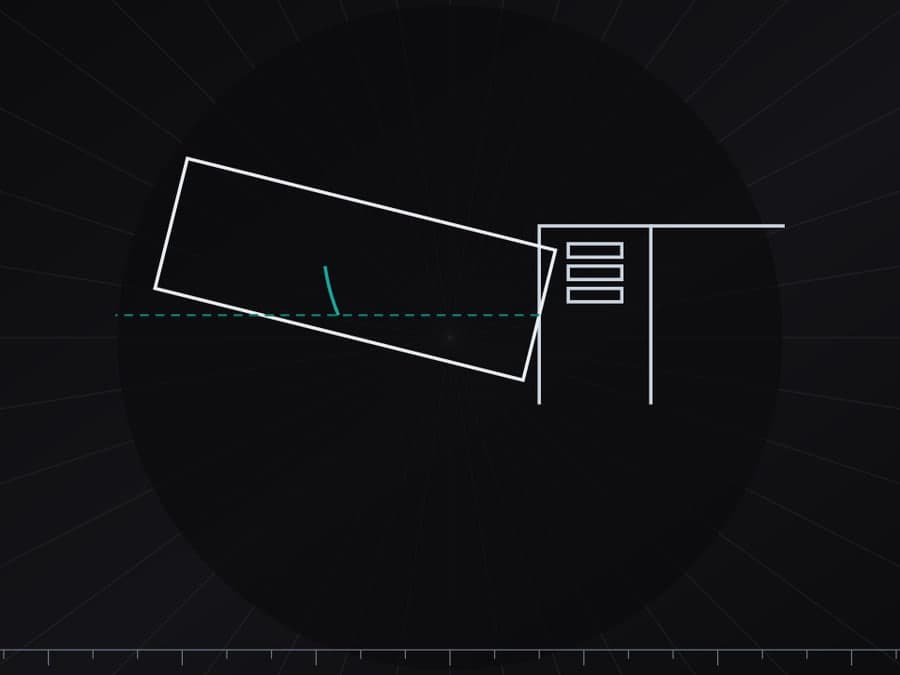 Reese Strait-Line Weight Distribution Hitch with Dual Cam Sway Control Best in crosswinds | Long trailers in crosswinds | Cams pull the box back to straight rather than damping it | Check price on Amazon #ad Affiliate link - we publish no price; Amazon shows the current one |
| 5 |  Blue Ox SwayPro Weight Distribution Hitch Best if you hitch up often | Owners who hitch and unhitch often | Clamp-on latches, six tongue weight bands | Check price on Amazon #ad Affiliate link - we publish no price; Amazon shows the current one |
The picks in detail
1. Best overall
CURT Sway Control Kit
CURT · Best for light trailers that wander
A single friction bar between the trailer tongue and the ball mount, with adjustable tension. It damps yaw; it does not transfer load. On a light trailer that wanders a little it is the cheapest honest fix, and on a heavy one it is not enough on its own.
What works
- Simple, serviceable and easy to fit to an existing ball mount
- Tension is adjustable, so you can match it to the trailer
- Takes minutes to add to a setup you already own
What does not
- Must be disconnected before backing up tightly or in icy conditions
- Damps sway but does nothing about a tow vehicle that is squatting
Skip it if
The wrong answer if your truck sags at the back when the trailer is on - that is a load-distribution problem and a friction bar will not touch it.
#ad Affiliate link - we publish no price; Amazon shows the current one
Raw specifications: CURT’s own page. We earn nothing on that link.
2. Best integrated setup
Fastway e2 Weight Distribution Hitch with Built-in Sway Control
Fastway · Best for a first weight distribution hitch
Sway control by steel-on-steel friction between the bars and their brackets, with no separate friction bar and nothing to remove before backing up. Available in round and trunnion bar versions, which is the detail to get right: trunnion for ground clearance, round for a lower-profile head.
Published specifications
- Trunnion bar models
- 4,500 / 6,000 / 8,000 / 10,000 / 12,000 lb gross trailer weight source
- Round bar models
- 6,000 / 8,000 / 10,000 lb gross trailer weight source
- Maximum tongue weight
- 450 / 600 / 800 / 1,000 / 1,200 lb, matched to the model's trailer rating source
- Hitch ball
- 2-5/16 in ball pre-installed on the 6,000, 8,000, 10,000 and 12,000 lb models; added separately on the 4,500 lb trunnion source
- Sway control
- Built in via rigid brackets - no chains or add-on bars to remove for backing, turning or wet weather source
What works
- Nothing to engage or disengage - friction is always working
- Sold in both round-bar and trunnion-bar versions for different A-frame heights
- Simple enough that a first-timer can set it up from the manual
What does not
- Friction surfaces must stay clean and un-greased, which is the opposite of most hitch maintenance habits
- Noisy in tight, slow turns
Skip it if
Avoid it if you tow mostly on dirt or gravel - grit on the friction faces is exactly what the design does not want.
#ad Affiliate link - we publish no price; Amazon shows the current one
Raw specifications: Fastway’s own page. We earn nothing on that link.
3. Best for a tall trailer that already sways
Equal-i-zer 4-point Sway Control Hitch
Equal-i-zer · Best for travel trailers that already sway
The reference point for integrated sway control. Friction happens at four places at once - both L-brackets and both sockets - so resistance is always on rather than something you remember to engage. Setup is bracket-height and bar-angle work, and it rattles; both are the price of a system with no separate parts to forget.
Published specifications
- Models offered (gross trailer weight)
- 4,000, 6,000, 10,000, 12,000, 14,000 and 16,000 lb source
- Tongue weight rating
- Matched to each model: 400, 600, 1,000, 1,200, 1,400 and 1,600 lb source
- Sway control points
- Four - two in the hitch head sockets, two at the rigid trailer brackets source
- Warranty
- Limited lifetime warranty source
What works
- Sway resistance is built into the geometry, so there is nothing to connect or disconnect at the ramp
- Works in reverse and in the wet, unlike a friction bar you have to release
- One assembly rather than a hitch plus a bolt-on sway bar
What does not
- Audible rattle and creak at low speed is normal and surprises first-time owners
- Bracket height and bar angle have to be set properly or the sway control does little
Skip it if
Skip it if your loaded tongue weight sits well inside your receiver's weight-carrying rating and the truck stays level - you would be buying hardware to solve a problem you do not have.
#ad Affiliate link - we publish no price; Amazon shows the current one
Raw specifications: Equal-i-zer’s own page. We earn nothing on that link.
4. Best in crosswinds
Reese Strait-Line Weight Distribution Hitch with Dual Cam Sway Control
Reese · Best for long trailers in crosswinds
Dual-cam sway control works differently from friction: the cams hold the trailer in the straight-ahead position and have to be pushed out of it, then they pull it back. That is a restoring force rather than a damping one, and it is the reason people who tow long trailers in crosswinds keep choosing it.
We have not sourced a full specification table for this model from the manufacturer’s own site at a stable address. Rather than repeat figures we cannot cite, the assessment above is limited to what the design and the maker’s published description genuinely establish.
What works
- Cams actively return the trailer to center instead of only resisting movement
- Performance does not fall off when the friction surfaces get wet
- Well-understood system with decades of setup documentation behind it
What does not
- More parts to position correctly at setup than a single-friction system
- Cams can clunk as they seat when you pull away
Skip it if
Skip it on a short, light trailer - the cam system is aimed at trailers long enough to generate real yaw, and on a small utility trailer it is complexity for nothing.
#ad Affiliate link - we publish no price; Amazon shows the current one
Raw specifications: Reese’s own page. We earn nothing on that link.
5. Best if you hitch up often
Blue Ox SwayPro Weight Distribution Hitch
Blue Ox · Best for owners who hitch and unhitch often
Underslung spring bars on clamp-on latches, which makes hitching faster than chain-and-snap-up systems and keeps the bars out of the way of a low A-frame. Blue Ox publishes the range in tongue-weight bands rather than one do-everything model, so the sizing decision is made before you buy.
Published specifications
What works
- Latches clamp on rather than needing chains snapped up under tension
- Sold in defined tongue-weight bands, which makes correct sizing the default
- Underslung bars clear low A-frames and front storage boxes
What does not
- Bar bands are narrow, so a big change in how you load the trailer can put you in the wrong band
- Clamp-on brackets are another part to keep clean and lubricated
Skip it if
Not the one if your loaded tongue weight sits near the top of a band - buy up a band, because a bar run at its limit transfers less than a bar running in the middle of its range.
#ad Affiliate link - we publish no price; Amazon shows the current one
Raw specifications: Blue Ox’s own page. We earn nothing on that link.
Matching the pick to your trailer
| Your trailer | Start with | Why |
|---|---|---|
| Single axle, under 3,500 lb, tows level | Adjustable friction bar | Damps yaw with no load transfer and no setup ritual |
| Tandem axle, 5,000 lb, truck sits level | Integrated friction weight distribution | Friction always on, and headroom if you load heavier |
| Tall box that already sways badly | Four-point friction hitch | Resistance is built into the geometry at four places |
| Long box, open highway, crosswinds | Dual cam system | Cams restore the trailer to straight instead of only resisting |
| You hitch and unhitch several times a day | Clamp-on latch system | No chains to tension under load at every stop |
Every row assumes the tongue weight has been measured and sits in the 10 to 15 percent band. None of these setups fixes a tail-heavy trailer.
What we would not buy for this trailer
A weight distribution hitch bought purely because the trailer sways, on a rig where the truck already sits level and the receiver's carrying rating covers the tongue weight. That is paying for load transfer to solve a yaw problem, and the distinction between the two is the single most useful thing to understand in this category. You will have spent several times the price of a friction bar and added a setup routine to every trip.
Also not: a hitch rated far above your trailer. Spring bars transfer load by bending, so bars rated for a 14,000 lb trailer barely flex under a 400 lb tongue. You carry the weight and the ground clearance penalty and get a fraction of the benefit.
And nothing at all, if the honest diagnosis is that the load slid backward. An enclosed trailer hides that from you, which is exactly why it is the first thing to rule out rather than the last. The open-deck version of this problem walks the same diagnostic order with the load in plain sight, and the car hauler version shows what a single heavy item does when it sits on the wrong side of the axle.
If it starts swaying on the road
What to do mid-sway
Ease off the accelerator
Let the rig slow on its own. Sway energy falls away quickly with speed, and lifting is the fastest safe way to reduce it.
Keep the steering straight
Do not steer against the swing. Correcting into an oscillation usually adds energy to it on the next half cycle.
Do not brake hard with the tow vehicle
Braking the truck pushes the trailer forward into the ball and can make the yaw worse rather than better.
Use the trailer brakes alone if you have them
A manual override on a brake controller applies the trailer brakes only, which pulls the rig straight from behind.
Stop and look inside
Once you are off the road, open the trailer. On an enclosed trailer the cause is usually visible only from in there.
Then reset the setup properly before you continue. The sway control setup and adjustment guide covers bracket height and friction tension, and both change the amount of good a bar does by more than the choice of brand ever will.
On the four-point hitch specifically, there is more to say than a roundup entry allows. The full assessment covers how its published tongue weight figures mislead buyers who shop by trailer gross weight - a trap worth avoiding before you order a model for a loaded cargo trailer.
Key takeaways
- A flat-fronted box on a short tongue is the hardest shape to tow calmly.
- Measure the loaded tongue weight - on an enclosed trailer you cannot eyeball it.
- Under about 5,000 lb with the truck level, an adjustable friction bar is the right tool.
- Adjustable friction beats fixed geometry on a trailer that tows empty half the time.
- A rear ramp door is permanent weight behind the axle, and it dominates when empty.
How we sourced this
Every figure on this page came from one of the following, each fetched while the page was written. Where a manufacturer or regulator does not publish a number, we say so rather than estimate it.
- CURT sway control kit - published specifications (part 17200)
- Fastway Trailer Products - manufacturer site
- Equal-i-zer 4-point sway control hitch - published model table (4K through 16K gross trailer weight with matching tongue weight ratings) and four-point friction description
- Blue Ox SwayPro weight distribution hitch - published tongue weight bands and towing capacity
- 49 CFR 393.70 - coupling devices and towing methods, including safety chain and cable arrangement
- 49 CFR 567.4 - certification label content, including Gross Vehicle Weight Rating and Gross Axle Weight Rating
Common questions
- Do I need sway bars on an enclosed cargo trailer?
- Usually yes, more than on an open trailer of the same weight, because the flat front gives wind and passing trucks a wall to push against. Correct the loading first - 10 to 15 percent of loaded weight on the tongue - then add an adjustable friction bar if it still wanders.
- Why does my cargo trailer sway when it is empty?
- Because a rear ramp door and its hardware sit behind the axle permanently. Loaded, that weight is a small fraction of the total; empty, it is a large one, and the trailer effectively becomes tail-heavy. Dial friction resistance up for empty runs and keep the speed down.
- Do I need a weight distribution hitch for a cargo trailer?
- Only if the measured loaded tongue weight exceeds your receiver's weight-carrying rating, or if the tow vehicle squats when hitched. If the truck sits level and the trailer merely wanders, a friction sway control bar addresses the actual problem for a fraction of the money.
- Is a V-nose cargo trailer better for sway?
- The nose shape helps with oncoming and quartering air, so a V-nose generally gives a calmer tow than a flat front of the same size. It does not change the side-wind case much, because a crosswind sees the flank either way.
- How tight should a friction sway control bar be?
- Tight enough that the trailer resists yaw and loose enough that the rig turns without the bar binding at full lock. Start from the manufacturer's setting, then adjust in small steps and recheck - and expect a loaded trailer to want more resistance than an empty one.
More in Trailer Sway & Sway Control
Sway is almost never a mystery. It comes down to tongue weight, load position or speed - and only one of those three costs money to fix.
Read next
Best for stopping sway
Best Sway Control Hitches
Integrated four-point, cam-based and friction systems compared by how they behave in reverse, in rain, and when you forget a step.
Guide
Utility Trailer Sway
A diagnostic order for a swaying utility trailer: load position first, tires second, tongue and hitch third, hardware last.
Guide
Car Trailer Sway Control
Why loading direction decides car hauler stability, how to check it, and the sway hardware that helps once the load is right.
Head to head
Sway Control Types Compared
Damping versus a restoring force versus always-on friction - what each mechanism does and when each one lets you down.

How to
Sway Control Setup
The setup sequence for friction bars and integrated systems, what to measure, and the symptoms of each setting being wrong.
Found something out of date, or a figure you can source better than we did? Corrections get read first. How we research explains how these pages are put together, and contact is one click away.