Towing Capacity, Tongue Weight & Setup
First Time Towing a Boat
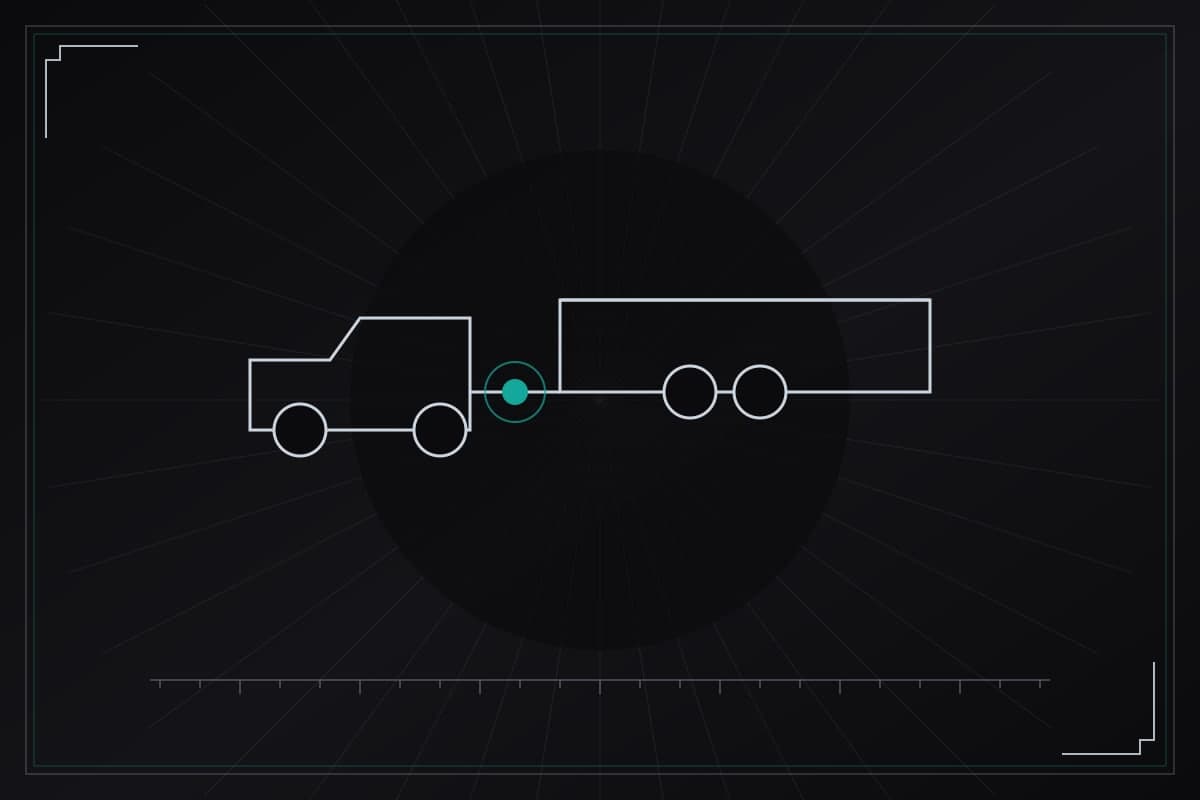
Everything about towing a boat is ordinary towing until you reach the ramp. That is the part worth rehearsing.
Disclosure: we earn a commission if you buy through the Amazon links on this page, at no extra cost to you. Commission never decides a verdict or a ranking position - read our editorial policy and affiliate disclosure.
Short answer
Towing a boat is ordinary trailer towing with two differences: the trailer gets reversed into water, and the load can move on the bunks. Get the ball size right, unplug the lights before launching, and winch the boat fully forward every time.
If you have never towed anything, read the general first-time guide first - mirrors, speed, braking distance and turning all apply here unchanged. This page covers the parts that are specific to a boat, which is where first-timers actually come unstuck.
Before you leave the driveway
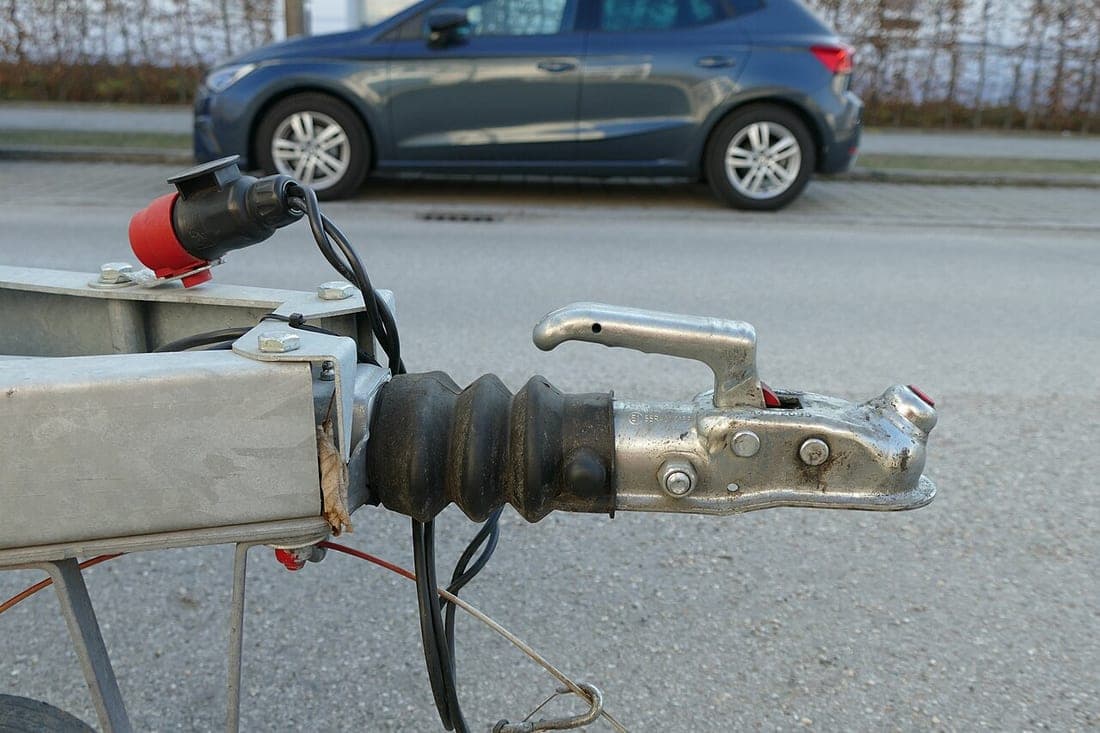
- Match the ball to the coupler stamp. The diameter is stamped on the coupler, commonly 1-7/8 in or 2 in on boat trailers. A coupler latched onto an undersize ball can come off, and it is the most consequential mistake available. Ball sizes lists what each carries.
- Check the coupler latches and locks. Latch it, lock the pin, then lift the tongue with the jack. If the trailer lifts the ball mount, it is latched. If it pops off, it is not.
- Cross the safety chains under the tongue. Crossed, with enough slack to turn but not enough to drag. The cross forms a cradle that catches the tongue if the coupler releases.
- Plug in and walk the lights. Running lights, brake lights, both indicators. Have someone watch, or use a reflective surface.
- Check the tires, including the spare. Boat trailer tires sit unused for months and age out rather than wear out. Cold pressure to the sidewall figure.
- Winch the bow eye tight against the bow stop, and fit the transom straps. The winch strap holds the bow; the transom straps stop the hull walking back on the bunks.
What to look for on the road
- Tongue weight in the 10 to 15 percent band. On a boat trailer this is adjusted by where the boat sits and where the heavy gear is, not by rearranging cargo. If the trailer wanders, the boat-specific causes start with the boat being too far back.
- Wider turns than feel natural. The trailer cuts the corner. Swing wide and watch the trailer's inside wheel, not the tow vehicle's.
- Longer stopping distances. Especially with surge brakes, which apply only once the trailer pushes. Leave more room than feels necessary and you will be about right.
- Mirrors that show the lane beside the trailer. A boat on a trailer is usually wider than the tow vehicle, and often taller than people expect.
The ramp, which is the part worth rehearsing
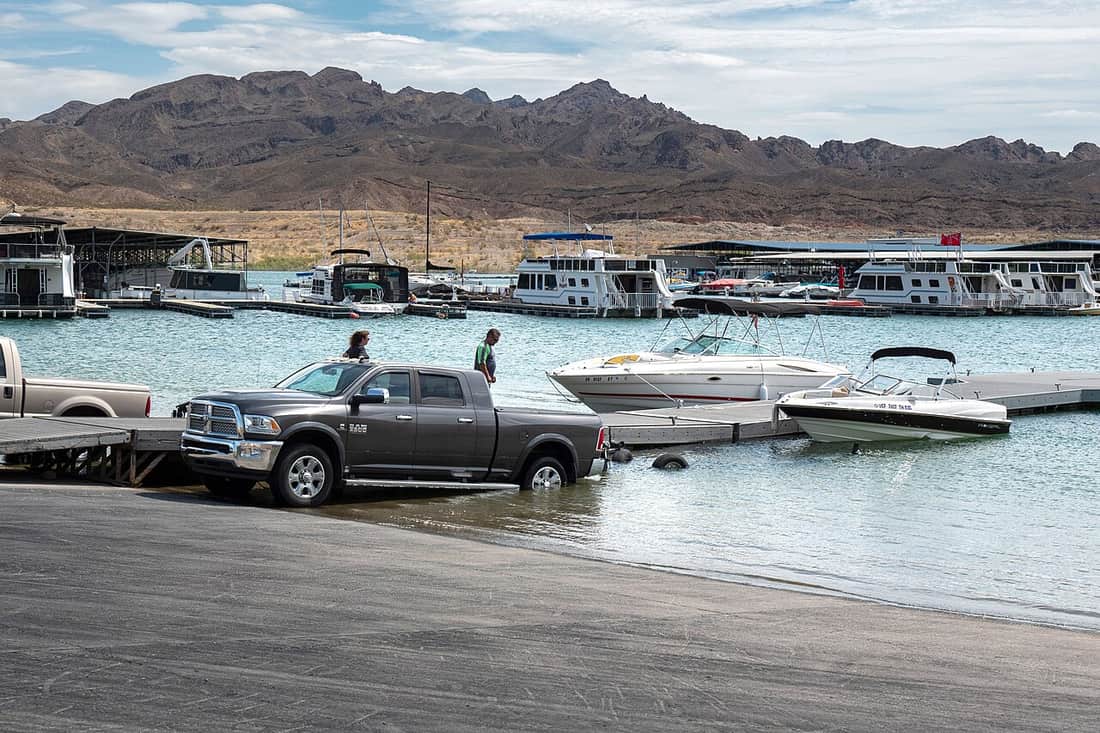
Launching, in order
Stop in the staging area, not on the ramp
Do the preparation out of everyone's way. Ramps are busy and the pressure of a queue is what causes the mistakes.
Unplug the trailer lights
Before the trailer touches the water. Hot bulbs and housings draw water in as they cool, and this single habit is worth more than any lighting upgrade.
Engage the surge brake lockout
If the trailer has surge brakes, they will resist reversing unless the lockout pin or the reverse solenoid is engaged.
Fit the bow line, remove the transom straps
Bow line attached and held before the boat floats. Transom straps off, winch strap still attached.
Back down slowly, straight
Hands at the bottom of the wheel: move your hand the way you want the trailer to go. Small inputs, then stop and correct rather than chasing it.
Release the winch with the bow line in hand
Only once the stern is floating. A boat released on a dry trailer goes nowhere good.
Recovery is the same sequence reversed, with one addition: winch the boat fully forward until the bow eye meets the stop before pulling up the ramp. A boat recovered short sits back on the bunks, which takes weight off the tongue, and that is how a trailer that towed fine on the way out fishtails on the way home.
Quick picks
Tap any row to jump to the full write-up. How these are chosen - and what we do and do not claim to know - is published in full on our research methodology page.
| # | Product | Best for | Our read | Price |
|---|---|---|---|---|
| 1 |  CURT 2 in Stainless Trailer Ball (1 in shank, 6,000 lb) Get this right first | Replacing a worn or wrong-size ball | Stainless, sized to your coupler stamp | Check price on Amazon #ad Affiliate link - we publish no price; Amazon shows the current one |
| 2 |  CURT Safety Chain Assembly with Hooks Replace if worn | Replacing worn or unrated chains | Rated chain and hooks, crossed under the tongue | Check price on Amazon #ad Affiliate link - we publish no price; Amazon shows the current one |
| 3 |  Camco Trailer Wheel Chocks Before you unhitch | Every trailer, without exception | Every trailer, every time | Check price on Amazon #ad Affiliate link - we publish no price; Amazon shows the current one |
| 4 |  Blazer LED Submersible Trailer Light Kit If the lights are tired | Old trailers with tired wiring | Sealed LED, submersible kit | Check price on Amazon #ad Affiliate link - we publish no price; Amazon shows the current one |
1. Get this right first
CURT 2 in Stainless Trailer Ball (1 in shank, 6,000 lb)
CURT · Best for replacing a worn or wrong-size ball
A replacement 2 in ball on a 1 in shank, rated to 6,000 lb, with a published torque figure of 250 ft-lb. That torque number is the reason to buy a ball from a manufacturer that publishes specs: an under-torqued ball nut is a genuine failure mode.
Published specifications
What works
- Published torque specification, which many balls do not come with
- Stainless finish survives a boat ramp better than plain zinc
- Correct shank sizing is spelled out rather than assumed
What does not
- 6,000 lb ceiling is below what many 2 in couplers are rated to carry
- Needs a torque wrench to fit properly, which many people do not own
Skip it if
Not enough ball if your coupler is rated above 6,000 lb - match the ball to the coupler's rating, not to the hole in your mount.
#ad Affiliate link - we publish no price; Amazon shows the current one
Raw specifications: CURT’s own page. We earn nothing on that link.
2. Replace if worn
CURT Safety Chain Assembly with Hooks
CURT · Best for replacing worn or unrated chains
Replacement safety chains with rated hooks. Two things decide whether chains do their job: the rating has to meet or exceed the trailer's gross weight, and they have to be crossed under the coupler so they cradle it if the ball lets go.
We have not sourced a full specification table for this model from the manufacturer’s own site at a stable address. Rather than repeat figures we cannot cite, the assessment above is limited to what the design and the maker’s published description genuinely establish.
What works
- Rated assemblies, rather than hardware-store chain of unknown grade
- Hooks sized to engage a receiver loop properly
- Cheap relative to what they are insuring against
What does not
- Length must be right - too long drags, too short binds in turns
- Hooks without latches can bounce off on rough surfaces
Skip it if
Do not buy a set rated below your trailer's gross weight to save money - that is the one specification on the whole part that matters.
#ad Affiliate link - we publish no price; Amazon shows the current one
Raw specifications: CURT’s own page. We earn nothing on that link.
3. Before you unhitch
Camco Trailer Wheel Chocks
Camco · Best for every trailer, without exception
Chocks go in before you unhitch, every time. They are not an upgrade and they are not interesting; they are the thing standing between a parked trailer and a slow roll down a campground slope.
We have not sourced a full specification table for this model from the manufacturer’s own site at a stable address. Rather than repeat figures we cannot cite, the assessment above is limited to what the design and the maker’s published description genuinely establish.
What works
- Cheap insurance against the most preventable trailer accident there is
- Works on any trailer regardless of brakes or jack type
- Takes seconds and needs no setup
What does not
- Plastic chocks degrade in sun over several seasons
- Easy to leave behind at a site
Skip it if
There is no situation where you should skip chocks - if these do not suit your tire size, buy different ones rather than none.
#ad Affiliate link - we publish no price; Amazon shows the current one
4. If the lights are tired
Blazer LED Submersible Trailer Light Kit
Blazer International · Best for old trailers with tired wiring
LED lamps draw less current than incandescent, which matters on an old trailer with marginal wiring and a tired ground. They also come on instantly, and the cheap failure mode of a sealed LED unit is the whole lamp rather than a bulb.
We have not sourced a full specification table for this model from the manufacturer’s own site at a stable address. Rather than repeat figures we cannot cite, the assessment above is limited to what the design and the maker’s published description genuinely establish.
What works
- Low current draw is kinder to old wiring and weak grounds
- Sealed units with no bulbs to corrode in their sockets
- Instant-on, which gives following traffic slightly more warning
What does not
- A failed LED lamp is replaced whole, not repaired
- Low current can confuse some vehicles' bulb-out monitoring
Skip it if
Not a cure for a bad ground - if your lights dim when you brake, fix the ground strap first or you will blame the new lamps.
#ad Affiliate link - we publish no price; Amazon shows the current one
After the trip
- Rinse everything with fresh water if the launch was salt: hubs, ball, coupler, chains, connector and brake components.
- Check the hub temperature at your first stop. A hub noticeably hotter than its partner is a bearing telling you something.
- Look at the lights again before the next trip rather than at the ramp.
- Grease the ball and coupler socket once the water has dried off. What to grease and what to keep dry matters more on a trailer that gets immersed.
None of this is difficult, and after three or four trips the sequence is automatic. The reason to learn it deliberately the first time is that a ramp is a public place with an audience and a queue, and that is the worst possible setting in which to work something out.
Key takeaways
- Match the ball to the stamp on the coupler - never a near size.
- Unplug the lights before the trailer enters the water, every launch.
- Engage the surge lockout before reversing down the ramp.
- Winch the boat fully forward on recovery or the tongue goes light.
How we sourced this
Every figure on this page came from one of the following, each fetched while the page was written. Where a manufacturer or regulator does not publish a number, we say so rather than estimate it.
- 49 CFR 393.70 - coupling devices and towing methods, including safety chain and cable arrangement
- 49 CFR 571.108 (FMVSS 108) - lamps, reflective devices and associated equipment
- CURT 2 in stainless trailer ball - published specifications including 250 ft-lb mounting torque (part 40083)
- Optronics - manufacturer site
Common questions
- Do I need a brake controller to tow a boat?
- Only if the boat trailer has electric brakes. Many have surge brakes instead, which are hydraulic and operate from the coupler with no electrical connection to the tow vehicle, so a controller would have nothing to control.
- How deep should I back the trailer into the water?
- Far enough that the stern floats and the boat can be driven or pulled off the bunks, and no further. Keeping the tow vehicle's wheels out of the water is the goal; a tongue extension solves a ramp that is too shallow for that.
- Why should I unplug the trailer lights before launching?
- A lamp housing that is hot when it hits cold water draws moisture in as it cools. Unplugging first lets everything cool before immersion, and it is the cheapest reliability improvement available on a boat trailer.
- How much should a boat trailer weigh on the tongue?
- The same 10 to 15 percent of loaded trailer weight as any conventional trailer. Boat trailers often sit below it because the boat has not been winched fully forward, which is the most common cause of a boat trailer that sways.
More in Towing Capacity, Tongue Weight & Setup
The number in the brochure is not the number that limits you. The one that does is on a sticker inside your driver's door.
Read next

Guide
First Time Towing
What genuinely changes behind the wheel with a trailer attached, plus the pre-departure checks that prevent most first-trip problems.
How to
How to Hook Up a Trailer
The full hitching sequence, why chains cross, where the breakaway cable goes, and what to check before you move.

Guide
Boat Trailer Fishtailing
The loading, tire and setup causes specific to boat trailers, in the order worth checking, and why the usual sway hardware advice does not transfer cleanly.
Best boat trailer hardware
Best Hitch for a Boat Trailer
What to buy for a boat trailer specifically: corrosion-resistant ball hardware, the surge-brake adapter nobody mentions, and lights rated for immersion.
Found something out of date, or a figure you can source better than we did? Corrections get read first. How we research explains how these pages are put together, and contact is one click away.